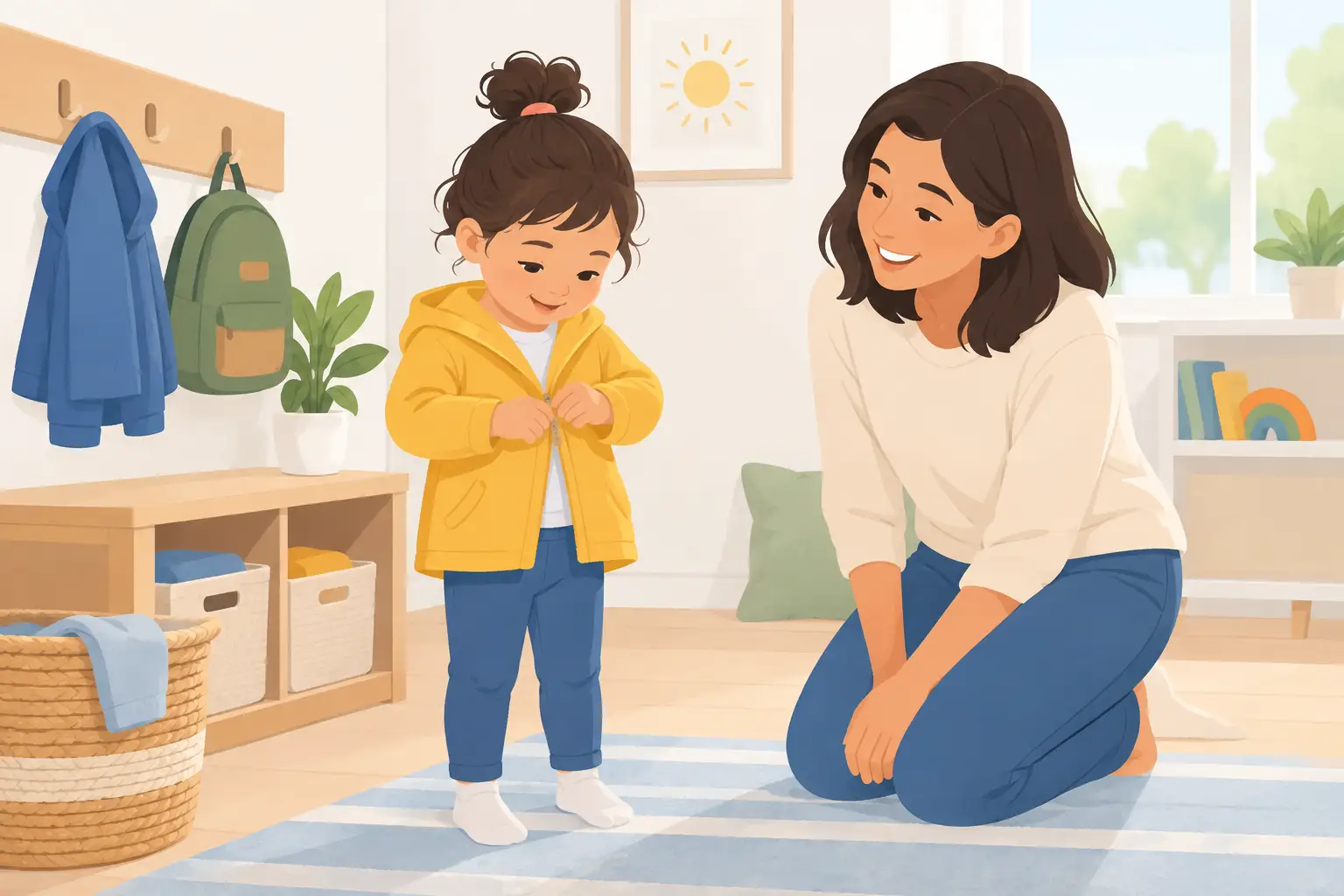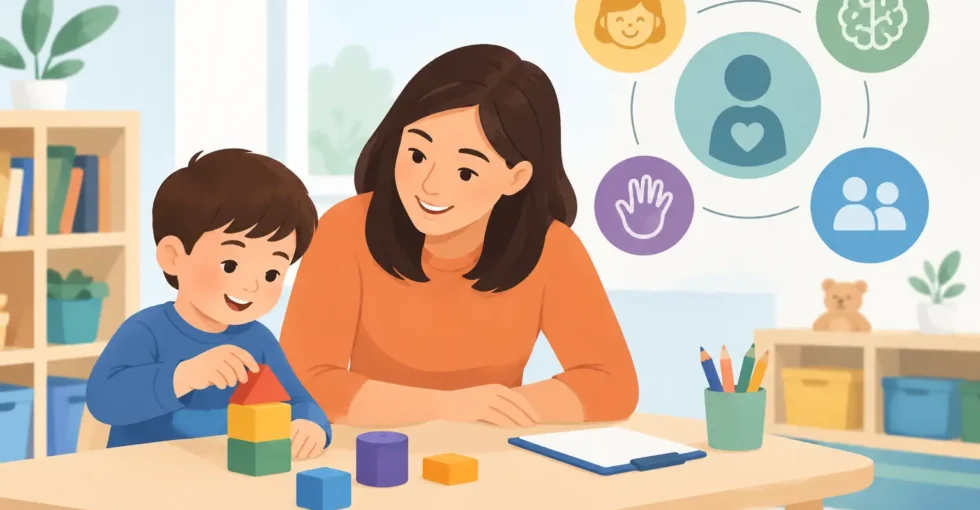

Your child brings home a painting, tells you about making a friend or proudly puts on their own coat. These everyday moments are often part of EYFS assessment meaning in practice. They help early years practitioners understand how a child is growing, what captures their interest and where a little extra encouragement may help.
For parents, the word ‘assessment’ can sound formal or worrying. In a caring nursery, it should feel quite different. It is not about testing young children, comparing them with others or expecting every child to reach milestones at exactly the same time. It is about getting to know each child well, celebrating progress and planning experiences that help them feel happy, capable and ready for what comes next.
What does EYFS assessment mean?
EYFS stands for the Early Years Foundation Stage. It is the statutory framework that guides learning, development and care for children from birth to the end of Reception in England.
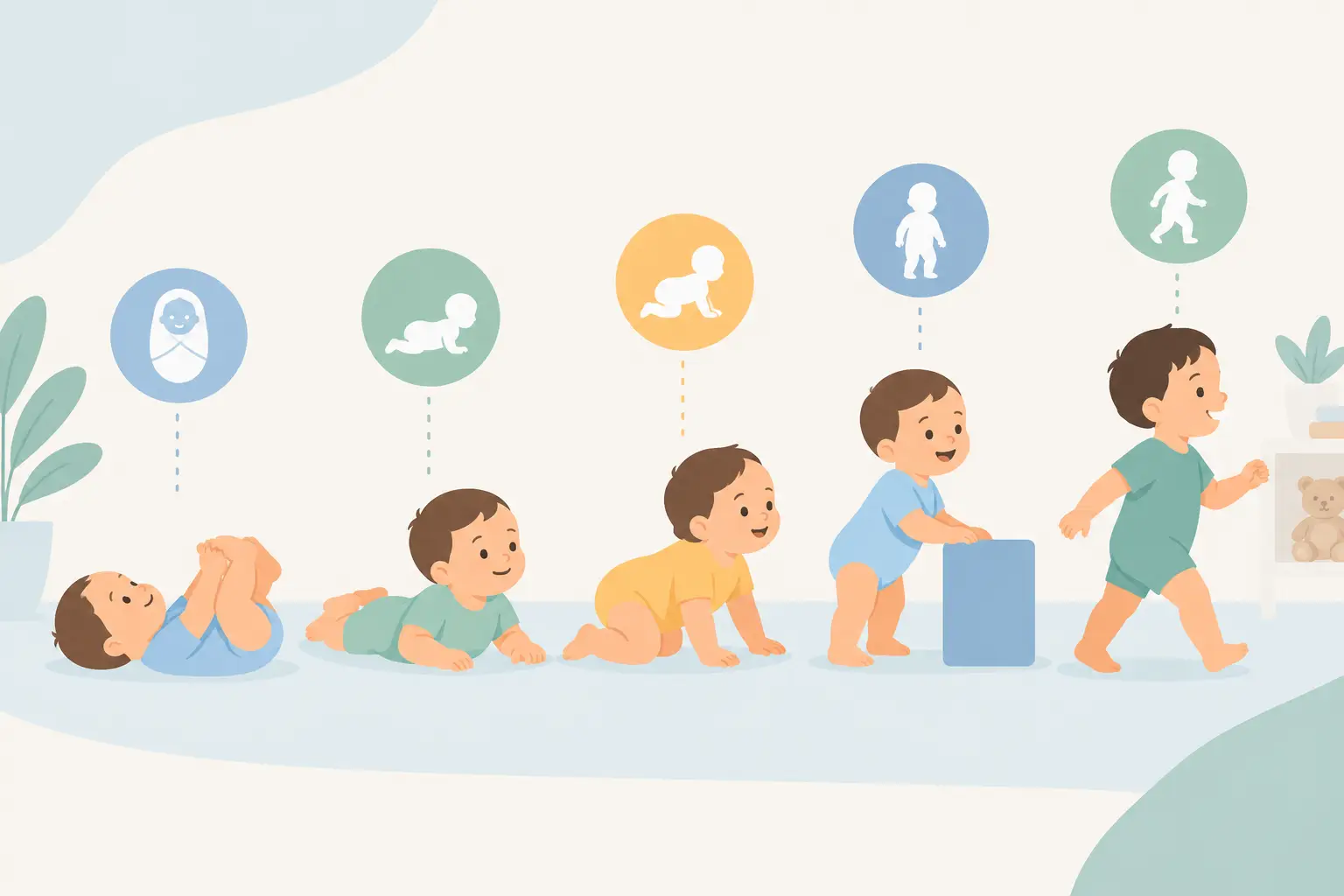
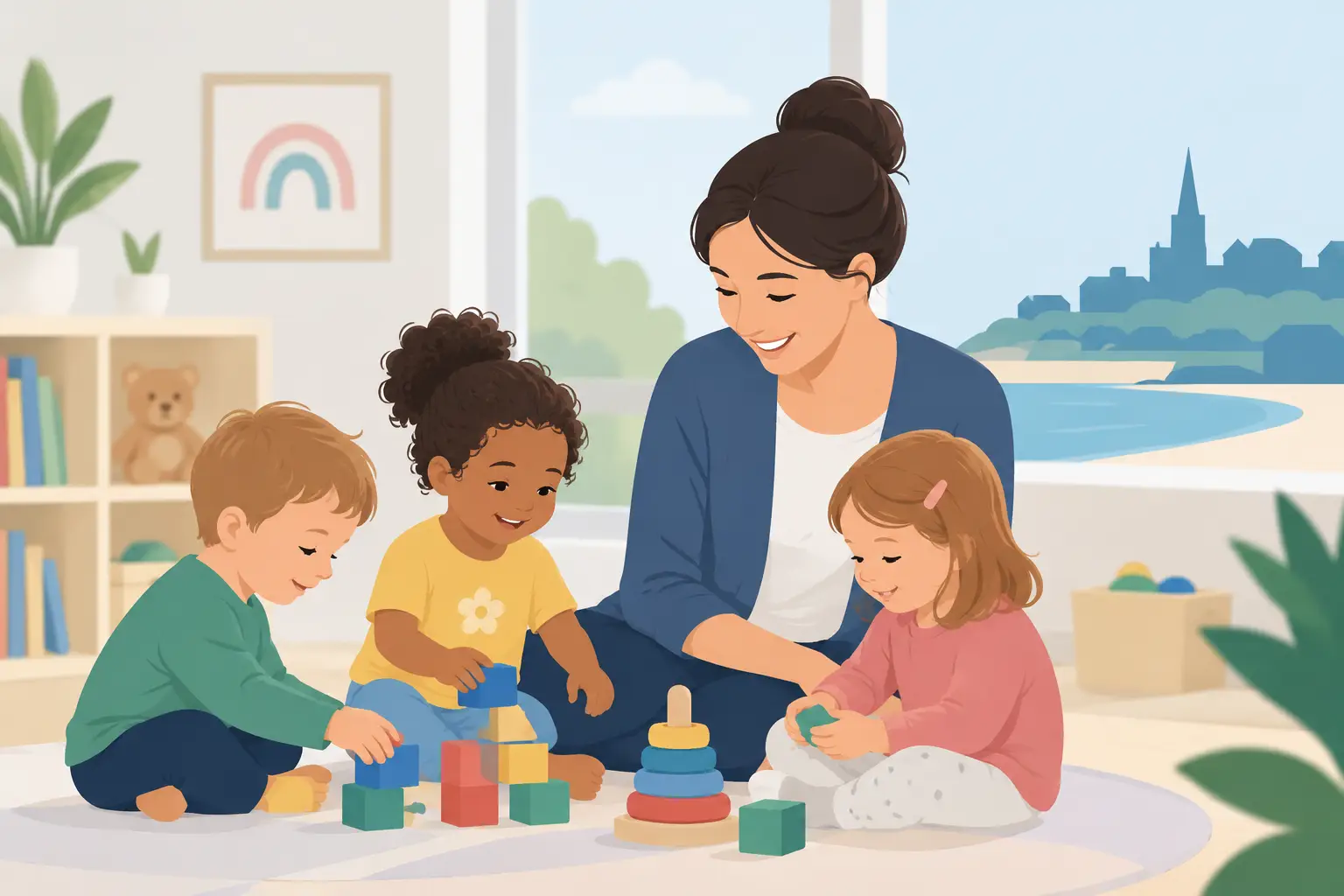
EYFS assessment means noticing, recording and reflecting on a child’s development over time. Practitioners use what they see and hear during ordinary play, routines and conversations to build a rounded picture of each child. A child building a tall tower may be developing physical control, problem-solving and language all at once. A child settling a toy dinosaur at nap time may be showing empathy and making sense of their own experiences.
These observations help staff make thoughtful decisions. Perhaps a child who loves vehicles could be encouraged to count wheels, describe routes or share a book about transport. Perhaps a quieter child needs a familiar adult nearby before joining a group activity. Assessment informs the next steps, but the child remains at the centre.
EYFS assessment meaning at nursery
Most early years assessment is woven into the day rather than set apart from it. Practitioners observe children as they play indoors and outdoors, eat together, listen to stories, manage feelings, explore materials and build relationships.
The EYFS has seven areas of learning and development. The three prime areas are communication and language, physical development, and personal, social and emotional development. These are especially important in the earliest years because they support children’s confidence, wellbeing and ability to learn.
The four specific areas are literacy, mathematics, understanding the world, and expressive arts and design. These are not separate subjects delivered through worksheets. A well-planned early years environment allows children to encounter them naturally: singing songs, measuring ingredients, mark-making with paint, investigating puddles or acting out a favourite story.
A practitioner may make a brief note, take a photograph where appropriate or add an observation to a child’s learning record. The record is a useful tool, not the purpose of the day. Children need time to play deeply, move freely, talk, rest and enjoy being children. Too much recording can take adults away from meaningful interaction, so high-quality settings keep assessment purposeful.
Assessment is not a test
Young children develop in different ways and at different speeds. One child may speak in long sentences while another is more confident showing ideas through movement or play. A child who is new to English, has recently experienced a change at home or is simply cautious in new situations may need time before showing what they can do.
That is why practitioners look for patterns over time, rather than drawing conclusions from one day or one activity. They also use professional knowledge, their relationship with the child and conversations with parents. Your insight matters because you see achievements at home that may not appear at nursery straight away.
The key assessments parents may hear about
Alongside day-to-day observations, there are a few more formal points in the EYFS journey. These are designed to identify support early and give parents a clear picture of progress.
The progress check at age two
Between a child’s second and third birthday, early years providers must give parents a short written summary of progress in the three prime areas of learning. This is commonly known as the two-year progress check.
The check should recognise what your child enjoys and does well, alongside any areas where extra support could be useful. If there are concerns, staff should discuss these sensitively with you and agree practical next steps. This might mean adapting activities, sharing ideas for home or, where appropriate, working with health visitors or other professionals.
It is not a label and it is not a prediction of a child’s future. A supportive response at this stage can make a real difference to confidence and development.
The Reception Baseline Assessment
When children begin Reception, they complete the Reception Baseline Assessment during their first six weeks at school. This is carried out by the school, not usually by the nursery, and takes place through practical, age-appropriate activities with a familiar adult.
Its main purpose is to provide a starting point for measuring school-level progress later on. It should not be used as a judgement on an individual child or as a reason for parents to practise beforehand. The best preparation is helping your child feel secure about starting school, listening to them and keeping routines calm.
The EYFS Profile at the end of Reception
At the end of Reception, teachers complete an EYFS Profile. They assess whether a child is meeting expected levels of development across the early learning goals. Parents receive this information as part of the transition into Year 1.
Like all early years assessment, the profile is most helpful when seen as one part of a bigger picture. It can guide the support a child receives at school, but it cannot capture every quality that makes them unique – their curiosity, humour, resilience or love of making others smile.
How assessment supports your child’s happiness and learning
Done well, assessment gives children the right level of challenge without rushing them. It helps practitioners notice the child who is ready for a new responsibility, such as pouring their own drink, as well as the child who needs help finding words when they feel frustrated.
It also strengthens the key person relationship. When an adult knows a child’s favourite story, recognises their early attempts at friendship and understands what helps them settle, the child is more likely to feel safe. Emotional security is not separate from learning. It is the foundation for it.
Assessment can be especially valuable when a child may need additional support. Early years staff may spot differences in communication, movement, sensory needs or social interaction and share observations with parents carefully. There is a balance to strike here: children should never be rushed into assumptions, but concerns should not be ignored in the hope they disappear. Open, respectful partnership gives families the best chance to access help at the right time.
What parents can expect from a good nursery
You should expect clear, kind communication about your child’s development. Staff should be able to explain what they have noticed in plain English, why it matters and what they plan to offer next. They should also listen when you share a new word, a changing sleep pattern, a family event or a worry.
Ask how your child’s key person observes progress and how learning is shared with families. Some settings use online learning journals; others provide regular conversations, written updates or parent meetings. The method matters less than the quality of the relationship and whether information feels useful rather than overwhelming.
At Dinotots, this partnership is part of the wider aim: giving children a nurturing place to grow while helping families feel informed and reassured. A good update should leave you with more than a list of milestones. It should help you picture your child’s day and understand how they are being supported.
How to support EYFS learning at home
You do not need to turn home into a classroom. The most valuable learning often happens in small, relaxed moments: chatting while preparing tea, counting steps to the bath, sharing books, sorting socks, watering plants or letting your child help with simple tasks.
Follow their interests and give them time to respond. If they are fascinated by buses, talk about where the bus is going, notice numbers and make up stories about passengers. If they enjoy water play, offer containers of different sizes and use words such as full, empty, more and less. These moments build language and confidence without pressure.
If nursery suggests a next step, treat it as an invitation rather than homework. The goal is not to produce evidence. It is to help your child enjoy practising a new skill in the people and places where they feel most secure.
The clearest meaning behind EYFS assessment is simple: your child deserves to be known. When home and nursery share their observations with warmth and care, every small step can become a reason to feel proud – and a gentle starting point for the next one.