
Some children walk into nursery and join in straight away. Others need a slower start, a familiar face, and a little extra reassurance at the door. That is exactly why the key person approach in EYFS matters. It gives each child a named adult who knows them well, helps them feel secure, and builds the trusting relationship that supports both happiness and learning.
For parents, this approach often brings a huge sense of relief. You are not handing your child over to a room full of strangers. You know there is one member of staff with a clear responsibility to welcome them, understand their routines, notice their progress, and keep communication open with your family. In busy childcare settings, that consistency can make all the difference.
What the key person approach in EYFS means
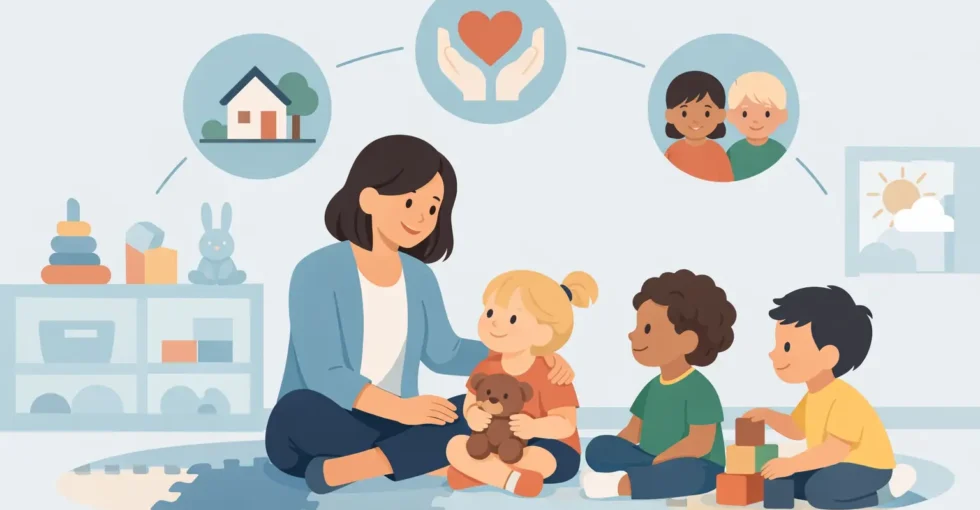
In simple terms, the key person approach in EYFS means every child is assigned a specific practitioner who takes a special interest in their care, development and emotional wellbeing. That adult is not the only person who will care for your child, but they are the main point of connection.
The idea is rooted in something very human. Young children thrive when they feel safe with trusted adults. When a child knows who will comfort them, celebrate their milestones, and recognise when something is not quite right, they are more likely to settle, explore and learn with confidence.
In an early years setting, a key person often helps with settling-in sessions, supports daily routines, observes development, and shares updates with parents. They become a familiar anchor in what can otherwise feel like a very big world.
Why strong attachments matter so much
Children do not separate care from learning in the way adults sometimes do. Before a child can concentrate on painting, story time, counting or making friends, they need to feel emotionally secure. If they are worried, overwhelmed or uncertain, it is much harder for them to engage.
That is where a key person becomes so valuable. A warm, consistent relationship helps children build trust. Over time, they learn that this adult will respond to their needs, respect their feelings and help them through transitions. That reassurance creates the calm foundation children need to play, communicate and grow.
This is especially important for babies and toddlers, who may not yet have the language to explain what they need. It also matters for older children starting nursery for the first time, children who are naturally cautious, or those adjusting to changes at home. There is no single type of child who benefits. Most children do.
How a key person supports your child day to day
A good key person is not simply a name on a noticeboard. Their role should be visible in everyday nursery life.
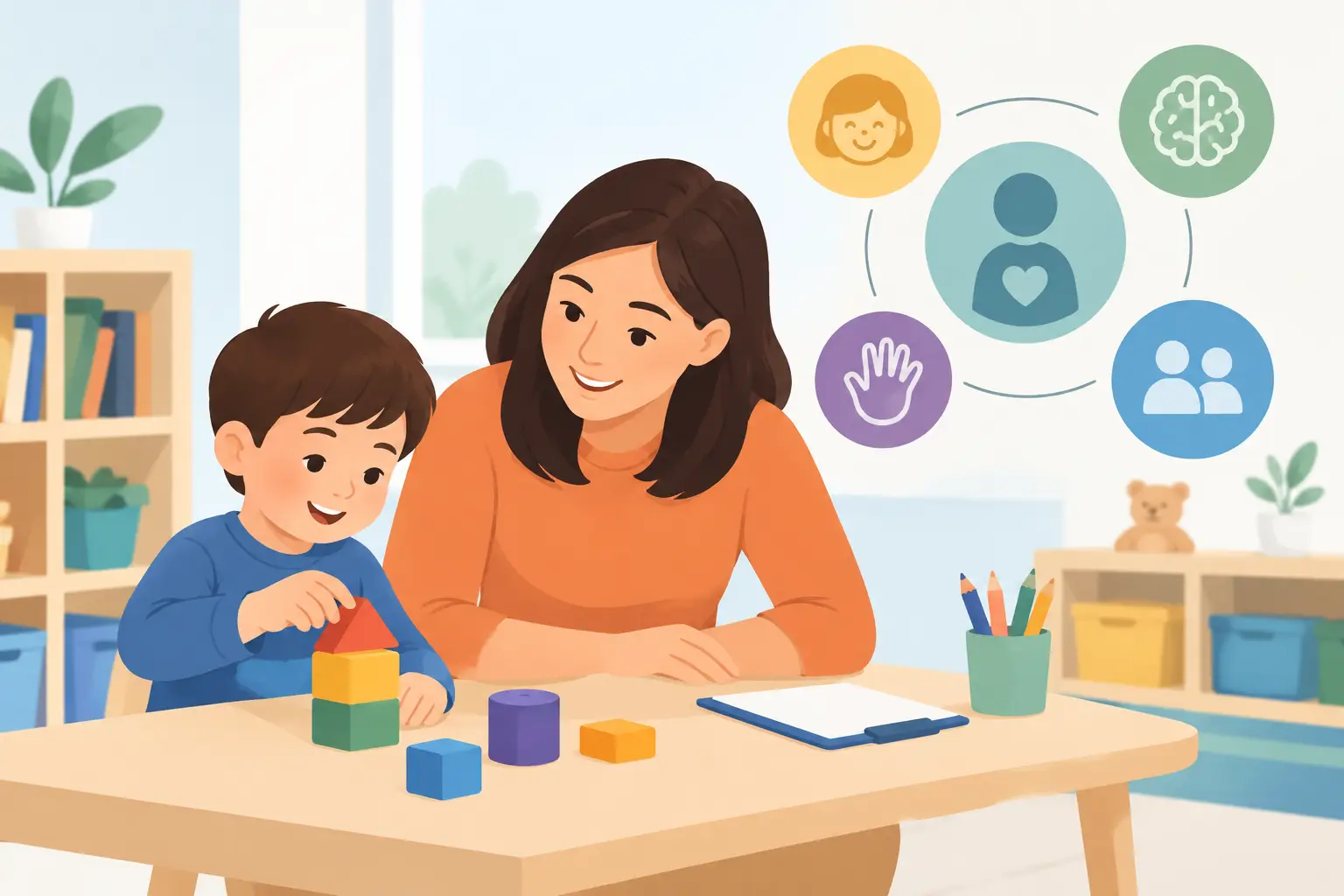
They get to know the small but important details that make a child feel understood – how they like to be comforted, what sparks their interest, whether they prefer to watch first before joining in, and which routines help them feel settled. Those details can seem minor from the outside, but they are often what help a child feel seen.
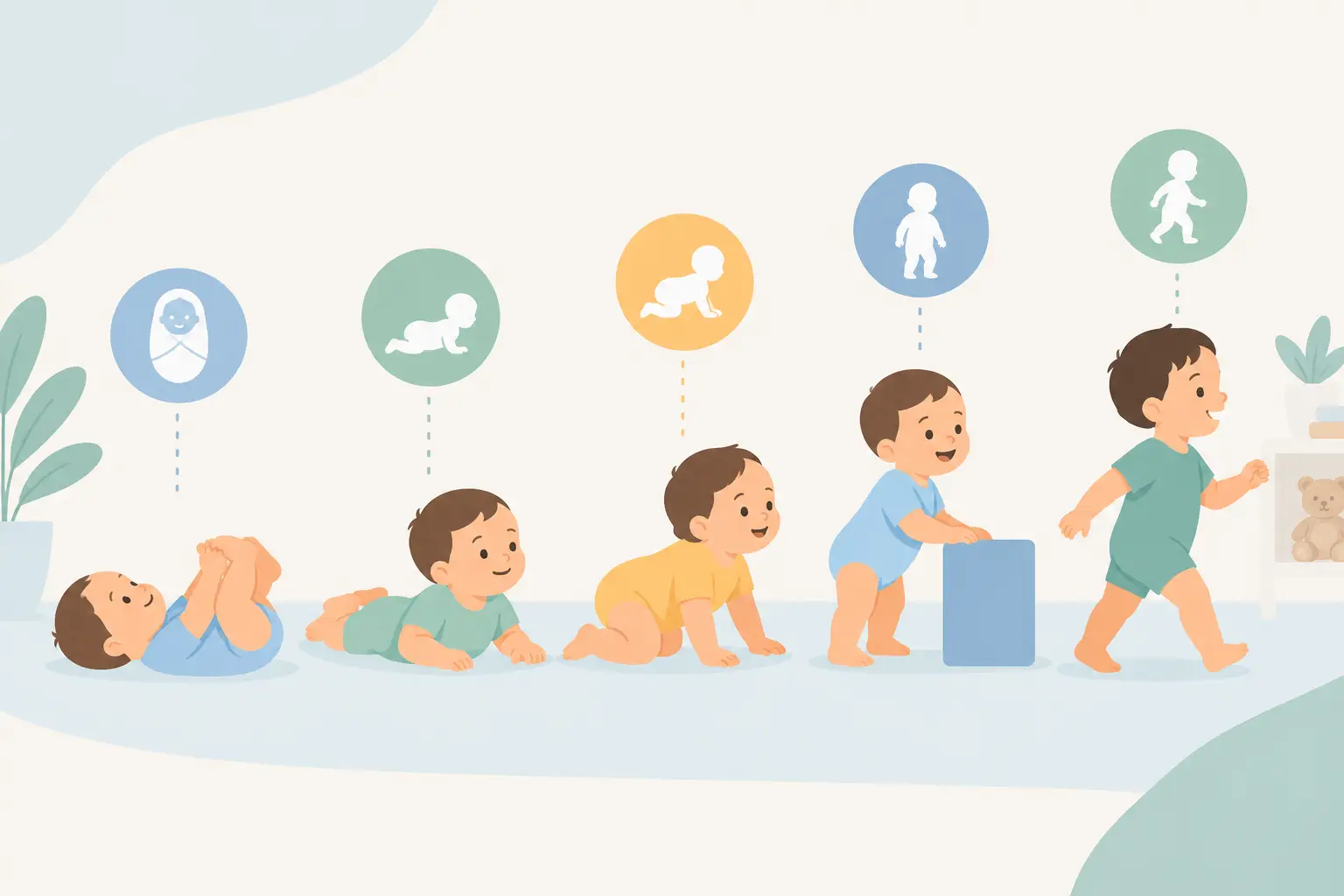
They also track development in a meaningful way. Rather than looking at milestones as a checklist, a key person notices patterns over time. They may see that a child is becoming more confident in group play, beginning to use new words, or showing a strong interest in construction or books. That knowledge helps staff plan experiences that suit the child as an individual.
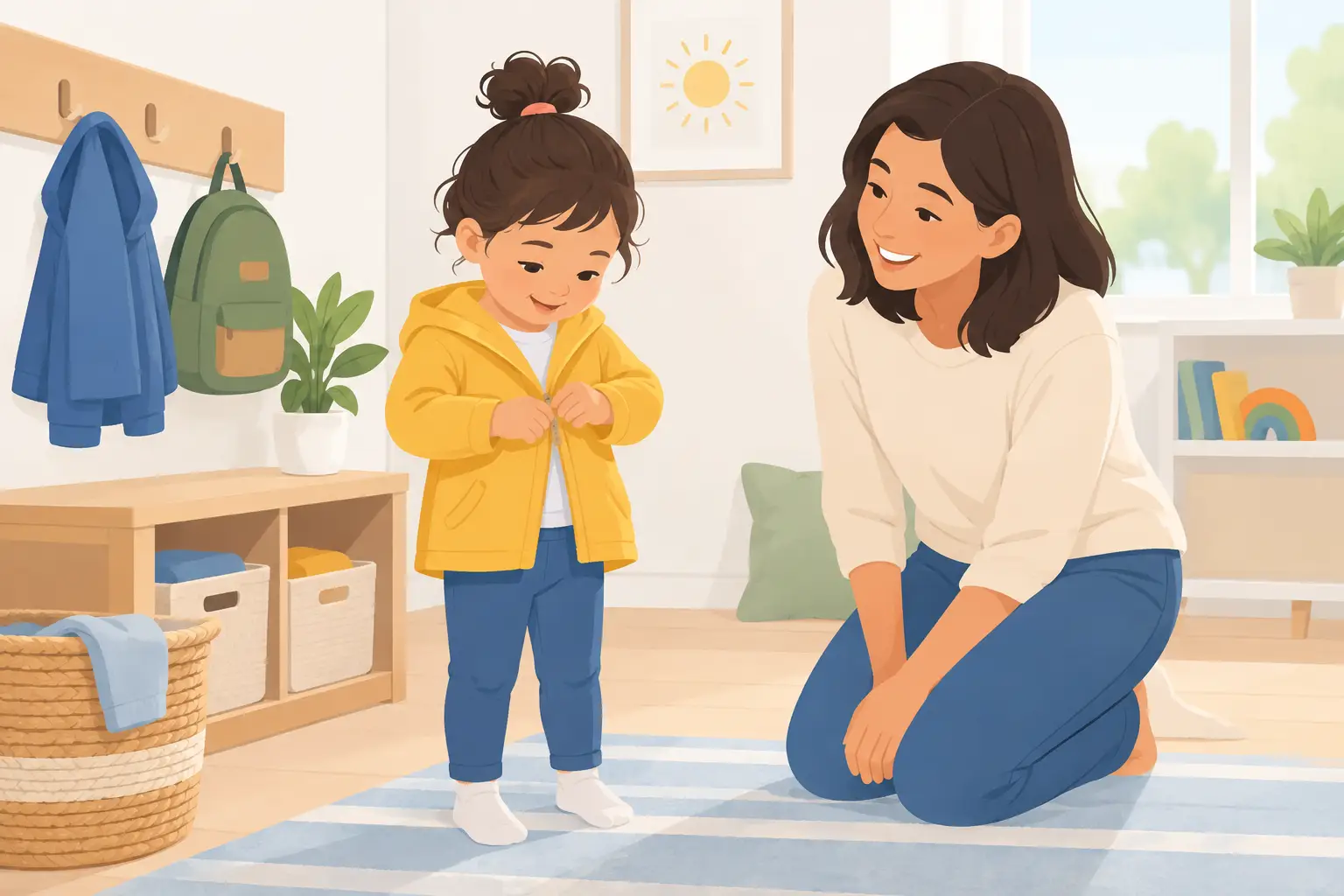
Just as importantly, they help children through ordinary but sometimes tricky parts of the day. Arrivals, naps, mealtimes, toileting, friendship wobbles and home time can all feel significant to a young child. Having a familiar adult nearby can turn those moments from stressful to manageable.
What parents should expect from a good key person relationship
From a parent’s point of view, the biggest benefit is often communication. A strong key person relationship means you have someone who knows your child well enough to share useful, specific updates rather than vague comments about their day.
That might be hearing that your child joined a song session independently for the first time, tried a new lunch, or seemed tired after a poor night’s sleep. These details build trust because they show real attention.
Parents should also feel able to share information in return. If your child is teething, adjusting to a new sibling, potty training, or simply had a difficult morning, that context helps the key person respond with care. The best early years partnerships work both ways.
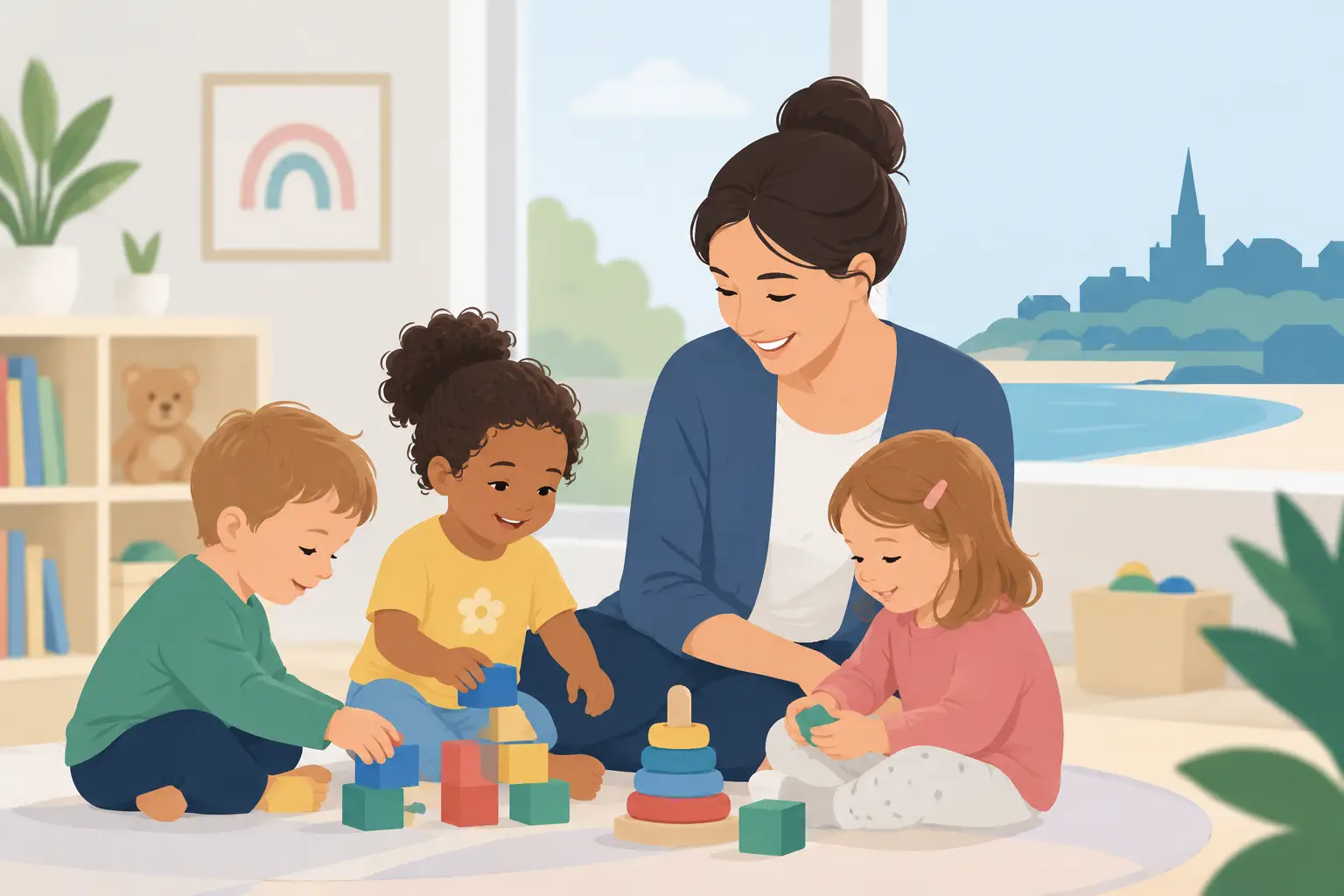
Of course, this does not mean parents should expect one person to be available every second of every day. Nurseries are team environments, and children benefit from secure relationships with several trusted adults. The key person model works best when there is a clear lead relationship supported by a strong wider team.
The key person approach in EYFS during settling-in
Settling in is often where the value of this approach becomes most obvious. Even confident children can find a new environment overwhelming at first. New smells, new routines, new adults and new children all take energy to process.
A key person helps make those first days gentler. They can greet your child by name, offer familiar comfort, and provide continuity between home and nursery. They may ask about sleep, feeding, comforters, favourite books, or family routines so your child’s care feels more personal from the start.
For parents, this can be reassuring too. Leaving a child in nursery for the first time is a big step, even when you are confident in your choice. Knowing there is a dedicated practitioner focused on your child’s wellbeing can ease that handover.
It is worth saying that settling-in is not the same for every family. Some children adapt quickly. Others need more time, shorter sessions, or a little extra support after weekends or holidays. A thoughtful key person recognises that progress is not always a straight line.
What makes the approach work well in practice
The model sounds simple, but quality matters. Assigning a key person is only helpful if that relationship is backed by good staffing, strong communication and proper professional care.
A successful approach usually depends on consistency. Children need to see familiar adults regularly enough to form genuine trust. It also depends on staff being observant, warm and responsive, not rushed or distant. A key person should understand child development, but they should also understand people – especially the needs of busy families who want honest, supportive communication.
Good settings also think carefully about continuity. Staff holidays, shift patterns and absences happen, so children should know other trusted adults too. A secondary or buddy system can help avoid children feeling unsettled when their main key person is away.
That balance matters. The aim is not for a child to rely on one adult only. It is to build one strong relationship within a wider caring environment.
Questions parents can ask a nursery
If you are choosing childcare, it is sensible to ask how the key person system works in real life. You might ask who will be your child’s key person, how handovers are managed, how often updates are shared, and what happens if that staff member is absent.
You can also ask how they support children who need more time to settle, or how they build relationships with babies and non-verbal children. The answers often tell you a lot about a setting’s culture. Warmth matters, but so does organisation.
A well-run nursery should be able to explain the process clearly and confidently. Families need emotional reassurance, but they also need to know there is a thoughtful system behind the care.
Why this approach gives families peace of mind
At its heart, the key person approach is about much more than administration. It is about making sure children feel known, valued and emotionally safe each day they attend nursery. When that happens, everything else has a stronger base – confidence, friendships, communication, independence and learning.
For families, that sense of security matters just as much. Childcare works best when parents are not left wondering how their child is coping or whether anyone has really noticed the little things. A trusted key person helps bridge home and nursery in a way that feels personal, professional and reassuring.
In settings that truly put children first, this relationship is never treated as a box-ticking exercise. It is part of the daily promise to care for each child as an individual – with warmth, attention and the steady support that helps them feel ready for the day ahead.