
A nursery can look bright, welcoming and full of lovely learning opportunities, but the best nursery safety features are often the quieter ones. They are found in calm arrivals, thoughtful room layouts, familiar routines and the way staff respond when a child needs comfort. For parents, these details turn a childcare setting into a place where children can feel secure enough to play, learn and grow.
Safety is not one locked door or one policy kept in a folder. It is a daily culture that protects children physically, emotionally and developmentally, while giving families clear reassurance about who is caring for their child and how.
Best nursery safety features to look for
Secure arrivals, collections and visitor access
A well-run nursery should know who is entering the building and who is collecting every child. Controlled entry systems, clear sign-in procedures and staff who recognise families all help create a safe boundary around the setting.
Ask how visitors are welcomed and supervised, and what happens if someone other than a parent is collecting your child. Many nurseries use agreed passwords or authorised-collector lists. The exact process may differ, but it should be clear, consistent and never treated as an inconvenience. Those few extra minutes at the door are there to protect children.
Collection routines matter just as much at the end of a busy day. Staff should only release a child to an approved adult, record any changes to normal arrangements and communicate promptly if something does not look right.
Skilled staff who know each child well
A safe nursery depends on people, not just equipment. Appropriate recruitment checks, safeguarding training, paediatric first aid knowledge and regular professional development give parents confidence that staff can act responsibly and calmly.
Just as valuable is the key-carer relationship. When a child has a familiar adult who understands their personality, routines, comfort needs and stage of development, small changes are more likely to be noticed quickly. A child who is unusually quiet, unsettled at drop-off or reluctant to eat may simply be having an off day, but attentive staff will recognise the difference and respond with care.
Ask how key carers are assigned, how cover is managed during holidays or absences, and how information is shared across the team. Consistency helps children feel emotionally safe, particularly babies, toddlers and children who are new to group care.
Safeguarding that is active, not merely written down
Every parent should expect clear safeguarding procedures. This includes knowing who the designated safeguarding lead is, how staff record and report concerns, and how the nursery works with families and appropriate services when a child needs support.
Safeguarding also includes professional boundaries, respectful communication and a culture where staff feel able to raise concerns. You may not see these processes in action during a visit, so it is reasonable to ask about them. A confident setting will explain its approach in plain English, without becoming defensive or vague.
For children, good safeguarding should feel unobtrusive. They should experience kind adults, predictable boundaries and an environment where they are listened to. For parents, it offers the assurance that their child’s welfare comes before convenience.
Safe sleep practices for babies
For families choosing baby care, sleep arrangements deserve particular attention. A suitable sleep space should be calm, clean and checked regularly, with safe sleeping guidance followed consistently. Staff should know each baby’s usual routine and any agreed comfort needs, while recognising that nursery sleep may be different from sleep at home.
Ask where babies sleep, how often they are checked, how sleep is recorded and how the team will contact you if your child’s routine changes significantly. Good communication is especially helpful during settling-in, teething, illness recovery or developmental leaps, when sleep can become less predictable.
Safety and comfort work together here. A baby needs appropriate supervision, but they also need gentle reassurance from carers who know how they settle best.
Rooms designed for curious children
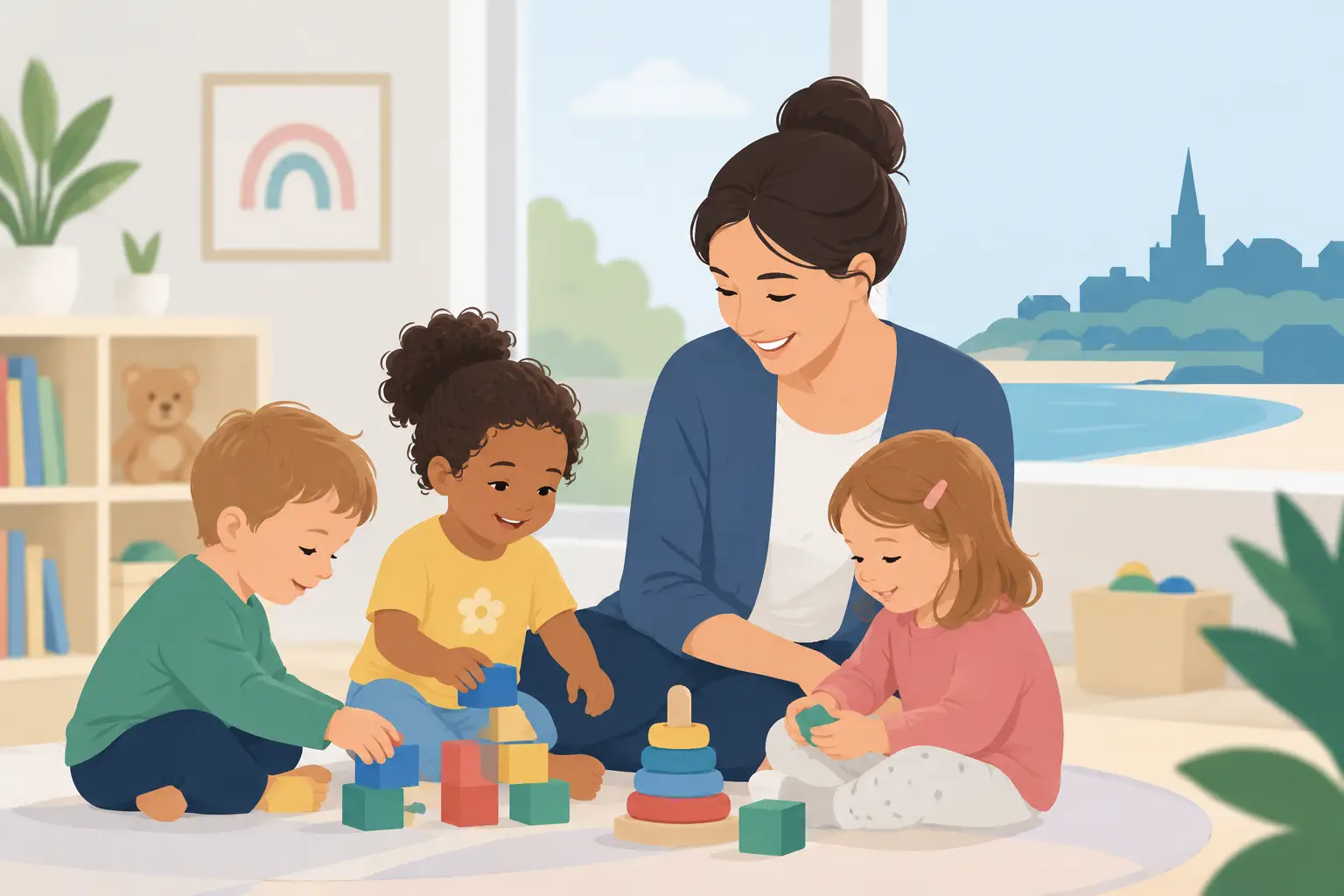
Children learn through movement, experimentation and sometimes a little mess. The goal is not to remove every challenge from a nursery room. It is to create an environment where children can explore with suitable supervision and age-appropriate resources.
Look for secure furniture, protected sockets, safe storage for cleaning products and medicines, gates where needed, and toys that are well maintained and suitable for the age group using them. Outdoor areas should be checked before use, with boundaries, surfaces and equipment monitored carefully.
A thoughtful room layout also helps staff supervise well. Babies need protected floor space; toddlers need room to practise climbing, carrying and balancing; older children need resources that support independence without unnecessary risk. The best settings make safety feel natural rather than restrictive.
Careful food, allergy and hygiene routines
Mealtimes are a meaningful part of the nursery day. They support healthy habits, conversation and independence, but they also require careful procedures around allergies, dietary requirements and food preparation.
A nursery should have clear information about your child’s needs, including allergies, cultural preferences and medical instructions. Ask how this information is displayed safely for relevant staff, how meals are checked before serving, and what steps are taken to reduce cross-contamination. The answers should be specific, especially if your child has a serious allergy.
Good hygiene is equally practical. Handwashing routines, nappy changing procedures, cleaning schedules and sensible illness policies help limit the spread of common childhood bugs. No nursery can promise a completely germ-free childhood, nor would that be realistic. What parents should expect is honesty, strong hygiene practice and prompt communication when illness affects the setting.
First aid, medication and accident communication
Minor bumps are part of childhood, particularly as children gain confidence outdoors and develop new physical skills. What matters is how a nursery prevents avoidable accidents, responds when they happen and keeps parents informed.
Staff should know how to access first aid support quickly, record accidents clearly and explain what happened at collection. Medication procedures should include written parental consent, secure storage, accurate records and staff who understand the child’s individual needs.
During your visit, ask how parents are contacted if a child becomes unwell or has an accident. You want a setting that uses good judgement: neither alarming you over every tiny scratch nor delaying a call when your child needs you.
Emotional safety belongs in every nursery room
Physical precautions are essential, but children also need to feel safe in themselves. A child who feels seen and accepted is more able to join in, make friends, communicate their needs and try something new.
Listen to the atmosphere during a visit. Are staff speaking to children with patience and respect? Are tears met with comfort rather than dismissal? Do children have calm spaces when the room feels busy? Warm, consistent boundaries help children understand what is expected while showing them that their feelings matter.
This is particularly important at transitions: starting nursery, moving rooms, welcoming a new sibling or beginning school. A caring setting will work in partnership with parents, sharing observations and agreeing practical ways to help a child settle.
Questions worth asking on a nursery visit
You do not need a long checklist to judge whether a nursery takes safety seriously. A few well-chosen questions can reveal a great deal. Ask how staff manage arrivals and collections, who your child’s key carer would be, how sleep and meals are recorded, and when parents are contacted about accidents, illness or concerns.
Notice whether answers are clear and whether staff can explain the everyday routine with confidence. Policies matter, but the strongest reassurance often comes from seeing kind, attentive adults who are organised, present and genuinely engaged with the children.
At Dinotots, we believe children thrive when dependable routines and loving relationships sit alongside high standards of care. The right nursery should give you more than a safe building. It should give your child a familiar place to belong, and give you the confidence to get on with your day knowing they are in caring, capable hands.
When you visit, trust both the evidence and your instincts. Look for the practical protections, then watch how your child is welcomed. That combination of professional care and genuine warmth is what makes a nursery feel safe from the very first goodbye.