
That first nursery visit can tell you a great deal. You might walk in and feel instantly at ease, or leave with a quiet sense that something is not quite right. If you are wondering how to choose a nursery, that instinct matters – but it helps to pair it with a clear idea of what good childcare actually looks like day to day.
Choosing a nursery is rarely just about finding an available place near home or work. You are looking for somewhere your child will be safe, known, comforted, encouraged and helped to grow. For most families, it also needs to fit around real life – drop-offs, pick-ups, work schedules, funded hours, meals, naps, and the simple need for calm, reliable communication.
How to choose a nursery: start with your child and your routine
Before comparing settings, it helps to get clear on what your family needs. A nursery that is perfect for one child may not be the best fit for another. Some children settle quickly in busy, lively spaces. Others thrive in calmer rooms with gentler transitions and familiar faces.
Think about your child’s age, temperament and stage of development. A baby will need warm, responsive care, close routines and strong attachment with familiar adults. A toddler may need plenty of space to explore, guidance with social skills and a nursery that understands big feelings. A pre-school child often benefits from a balance of play, early learning and growing independence.
Your practical routine matters too. Opening hours, flexibility, holiday cover, meal arrangements and whether the setting can support changing family schedules can make a real difference over time. It is easy to focus on first impressions, but the right nursery should reduce stress for the whole family, not add to it.
Look beyond the room and focus on relationships
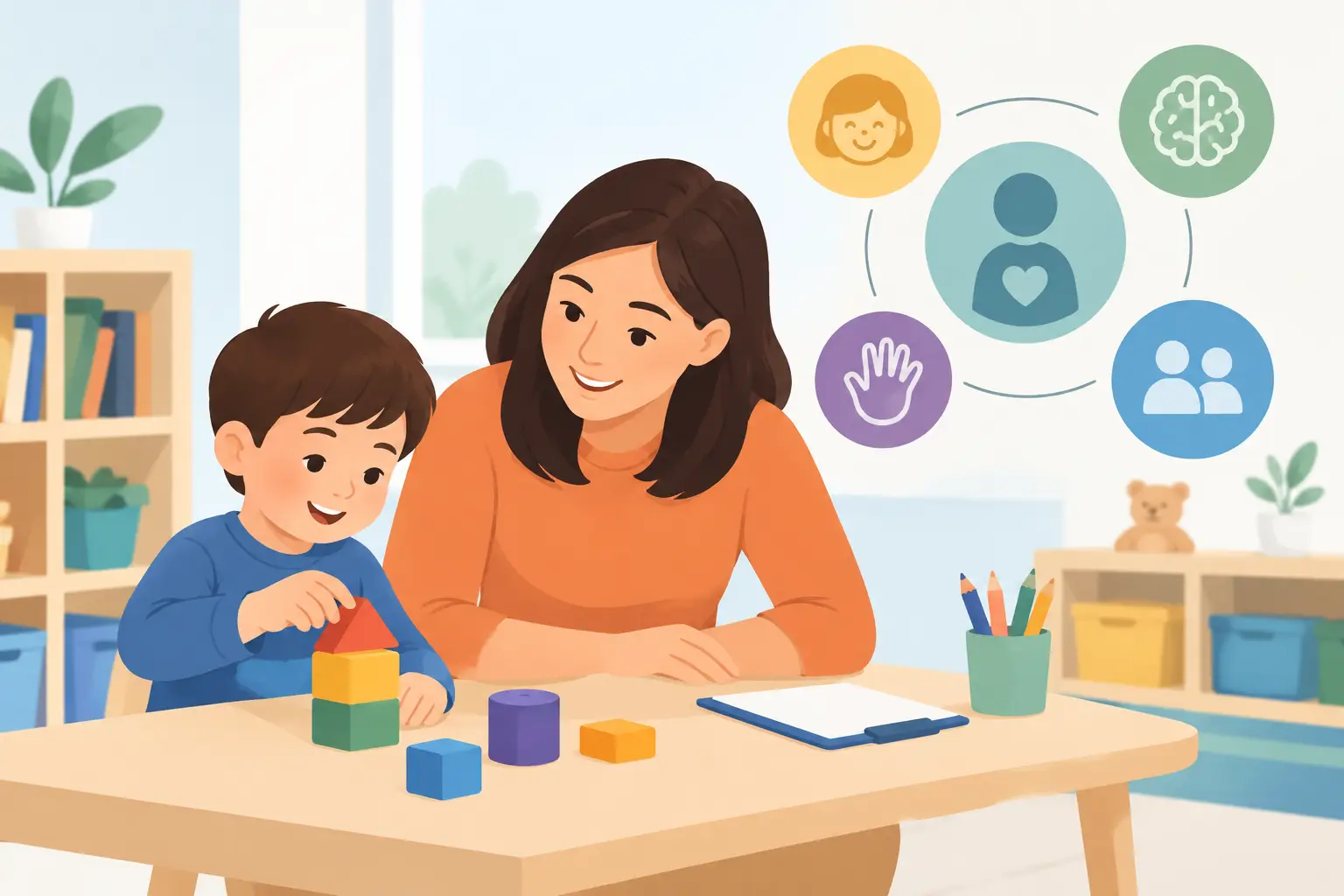
Bright toys, tidy displays and lovely décor can create a good first impression, but relationships are what shape your child’s experience. The strongest nurseries are built around caring, consistent adults who know each child well.
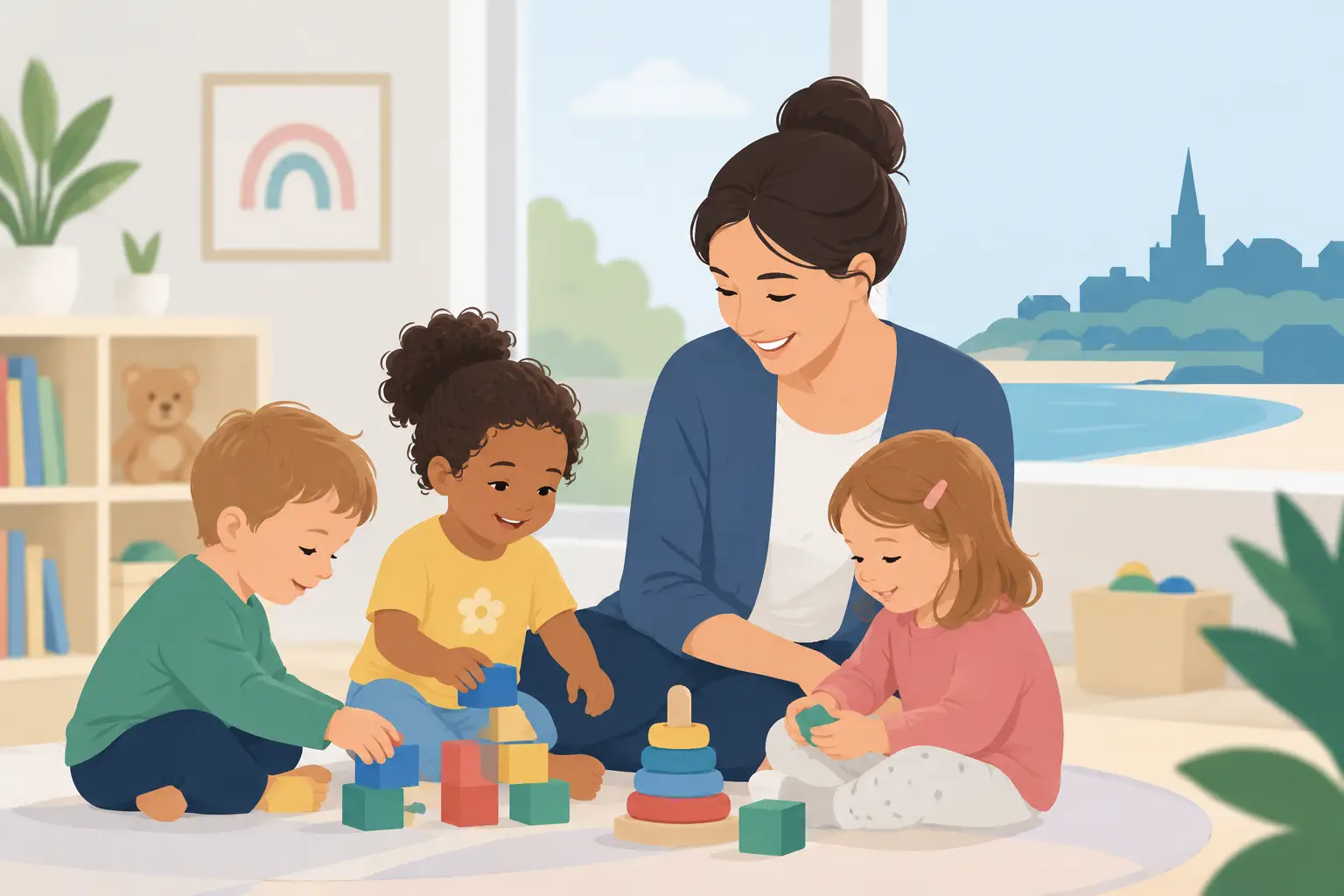
When you visit, notice how staff speak to children. Are they down at their level? Do they respond with warmth? Do children seem comfortable approaching them? A nursery can be beautifully organised, but if interactions feel rushed or impersonal, that is worth paying attention to.
A key person system is especially important for younger children. Having a dedicated adult who understands your child’s routines, preferences and personality helps build emotional security. That secure base matters just as much as learning activities, because children are more likely to explore, play and gain confidence when they feel safe.
What to ask on a nursery visit
Parents often worry about asking too many questions. In reality, a well-run nursery should welcome them. Clear, confident answers usually tell you a lot about how the setting operates.
Ask how staff support settling in, what a typical day looks like, how sleep and meals are managed, and how the nursery handles upset, conflict or changes in routine. Ask about staff qualifications, ratios and turnover. Continuity matters. A child who sees familiar faces each week is likely to feel more secure than one in a setting with constant change.
It is also sensible to ask how parents are kept informed. Some families prefer detailed daily updates, while others simply want key information and reassurance that they will be contacted if needed. Good communication should feel consistent and honest, not vague or overly polished.
Safety should feel visible, not hidden
Safety is one of the biggest factors in how to choose a nursery, and it should be obvious in practice. You should not have to guess whether procedures are taken seriously.
Look at how access is managed, how children move between spaces, and whether staff seem alert and attentive. Ask about safeguarding, first aid, allergies, medication, nappy changing, sleep checks and collection procedures. These systems may not feel exciting, but they are part of what creates peace of mind.
Cleanliness matters as well, though there is a balance to strike. A nursery should be hygienic and organised, but it should also look like children genuinely use it. A few signs of active play are normal. What you want to see is a setting that feels cared for, calm and properly supervised.
Learning matters, but it should not feel like school too soon
Parents naturally want a nursery to support development, language and school readiness. That is important, but early years learning should still feel age-appropriate, playful and responsive.
A good nursery will usually follow the Early Years Foundation Stage and be able to explain how children learn through play, routines, conversation and carefully planned activities. That might include story time, messy play, outdoor exploration, music, mark making, counting, role play and opportunities to build independence.
The key question is not whether children are being kept busy. It is whether the nursery understands child development and uses everyday moments well. Snack time can build social skills. Outdoor play can support confidence and coordination. Small group activities can strengthen listening and language. Learning in the early years is often woven into the day rather than separated into formal lessons.
Watch how children spend their time
During a visit, look at the children as much as the environment. Do they seem engaged? Are they free to explore? Is there a balance between active play and quieter moments? Are babies held and comforted when needed, rather than simply managed around a timetable?
There is no single perfect setup. Some nurseries are more structured, while others are more free-flowing. What matters is whether the approach is thoughtful and suitable for the age group. A strong nursery should be able to explain why it does what it does, not just describe the activities on offer.
Pay attention to the partnership with parents
The best nursery relationships feel like a partnership. You know your child best, and the setting should respect that. In turn, experienced early years staff can offer guidance, reassurance and another caring perspective on your child’s development.
Notice whether staff listen properly when you speak. Are they interested in routines from home, dietary needs, comforters, toileting, sleep patterns or worries about settling? Small details matter because they help your child feel that home and nursery are connected rather than separate worlds.
This is also where transparency matters. Fees, funded places, extra charges, terms, notice periods and what is included should all be clearly explained. Families should never feel caught out later by information that was hard to find at the start. Practical trust is still trust.
Trust your instincts, but test them
Sometimes a nursery looks excellent on paper but does not feel right. Sometimes a setting feels warm and welcoming straight away, but you still need to check the details. Both emotional reassurance and professional standards matter.
If possible, visit more than one nursery. The comparison helps. You may notice that one setting feels calmer, one communicates more clearly, or one simply seems to understand your child’s age and needs better. Try not to rush the decision if you can avoid it, especially if all you have at first is a general feeling.
It can also help to think ahead. Will this nursery still suit your child in six or twelve months? A baby room may feel lovely now, but you may also want to understand how the setting supports children as they move into toddler and pre-school stages. Continuity can be a huge benefit for confidence, friendships and routine.
How to choose a nursery when every option looks similar
Many nurseries offer similar headline promises – caring staff, safe spaces, healthy meals and early learning. The difference is often in how consistently those promises are delivered.
Look for the setting that combines warmth with structure. You want kindness, but also clear routines. You want educational value, but not pressure. You want flexibility, but not chaos. The strongest nurseries tend to make family life easier because they are both nurturing and well organised.
For some parents, that may mean prioritising location and longer opening hours. For others, it may be a calmer settling-in process, strong outdoor play, or a nursery that feels particularly attentive with babies. If you are choosing between similar options, ask yourself one simple question: where can I realistically picture my child feeling safe, happy and known?
At Dinotots, we believe parents should never have to choose between loving care and professional standards. The right nursery should offer both, giving children a secure place to grow and families genuine peace of mind.
A good nursery will not just look the part on an open day. It will feel steady on ordinary Tuesdays, kind during difficult drop-offs, and dependable when life is busy. That is usually the clearest sign you have found the right place.