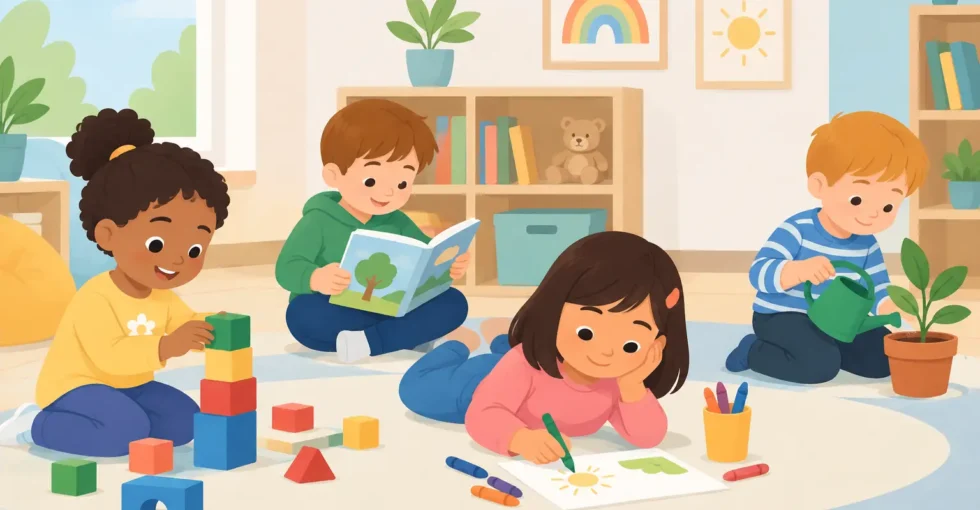

A child proudly carrying over a tower they have built, pausing to watch a snail in the garden, or joining in with a familiar song may look like simple play. Yet these small moments are where confidence, language and independence begin to grow. The best nursery activities are not about keeping children busy. They give each child a safe, joyful reason to explore, practise and feel capable.
For parents, especially when work and family life are already full, it is reassuring to know that a nursery day has purpose as well as warmth. Children need time to be children, with caring adults close by to notice their interests, extend their thinking and offer comfort when they need it.
Why nursery activities matter
Early childhood is a period of extraordinary learning. Young children learn through their whole bodies: touching, moving, listening, repeating, watching others and trying again. A well-planned activity can support several areas of development at once without feeling like a lesson.
A messy painting activity, for example, can strengthen hand control, encourage creativity, introduce new words and help a child make choices. Preparing fruit for snack time can develop coordination, counting, turn-taking and healthy habits. When adults talk with children during these experiences, they add language and reassurance that helps learning stick.
This is why a balanced nursery day matters more than a packed timetable. Children benefit from gentle routines, familiar faces and enough unhurried time to become absorbed in what they are doing. Some will happily join a group activity straight away; others may prefer to observe first. Both responses are valid, and skilled practitioners adapt their support to the child in front of them.
Nursery activities for every stage of development
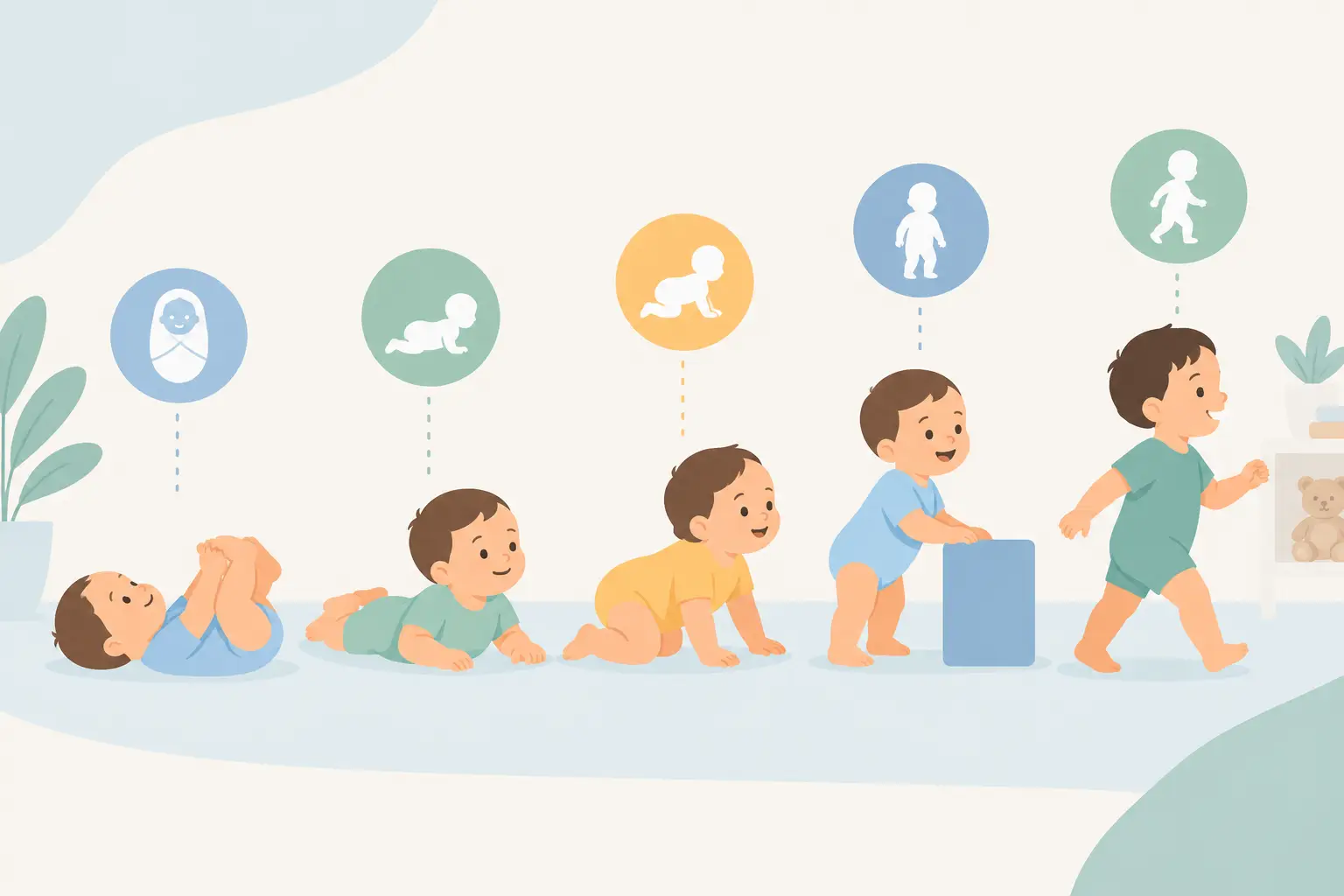
The right experience depends on age, confidence, interests and what is happening in a child’s wider life. A baby settling into nursery has very different needs from a pre-schooler who is beginning to ask questions about letters, numbers and friendship. What should remain consistent is a sense of security.
Babies: connection, comfort and discovery
For babies, learning starts in responsive relationships. Peekaboo, songs with actions, gentle sensory baskets and floor play help babies recognise voices, develop coordination and understand that their actions have an effect. Repeating a favourite rhyme or game is not a lack of variety. Repetition helps babies feel safe and gives them the chance to anticipate what comes next.
Simple sensory play can be particularly valuable, but it should always be age-appropriate and closely supervised. Soft fabrics, natural sounds, light and shadow, and safe objects to grasp can invite discovery without overwhelming a child. The most meaningful part is often the adult’s response: a smile, a shared look, or words that describe what the baby is noticing.
Toddlers: movement, language and independence
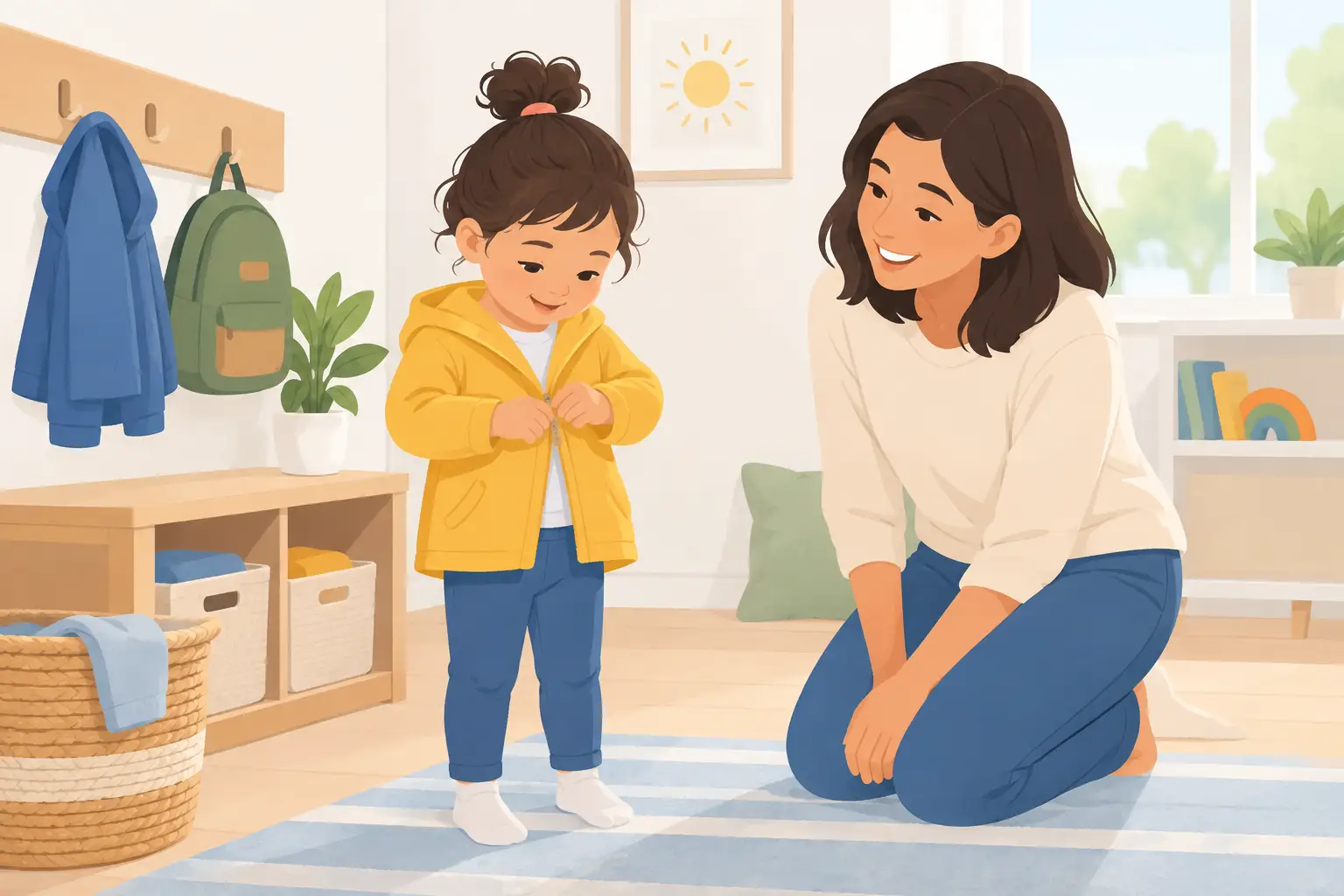
Toddlers are busy working out what they can do. They may want to pour water, climb, carry, push, copy adults and insist on doing things for themselves. Activities that allow safe choices and manageable challenge can turn this determination into growing confidence.
Outdoor play is especially important at this age. Running, balancing, digging and moving wheeled toys strengthen large muscles and help children learn about space and risk in a supported way. Indoors, play dough, large puzzles, mark-making and role play build hand strength, imagination and communication.
Toddlers are also learning to manage big feelings. A disagreement over a toy can be frustrating, but with calm adult support it becomes an opportunity to hear words such as “waiting”, “turn”, “kind hands” and “I can see you are upset”. The aim is not to expect toddlers to share perfectly. It is to help them begin to understand themselves and others.
Pre-school children: curiosity and school readiness
As children approach school age, activities can offer more opportunities to investigate, collaborate and follow a longer idea. This does not mean replacing play with worksheets. Meaningful school readiness is about far more than recognising a few letters or numbers.
Children need to listen and respond, communicate their needs, use the toilet and wash their hands with increasing independence, cope with short periods of focus and build friendships. They need to believe that trying is worthwhile, even when something feels difficult.
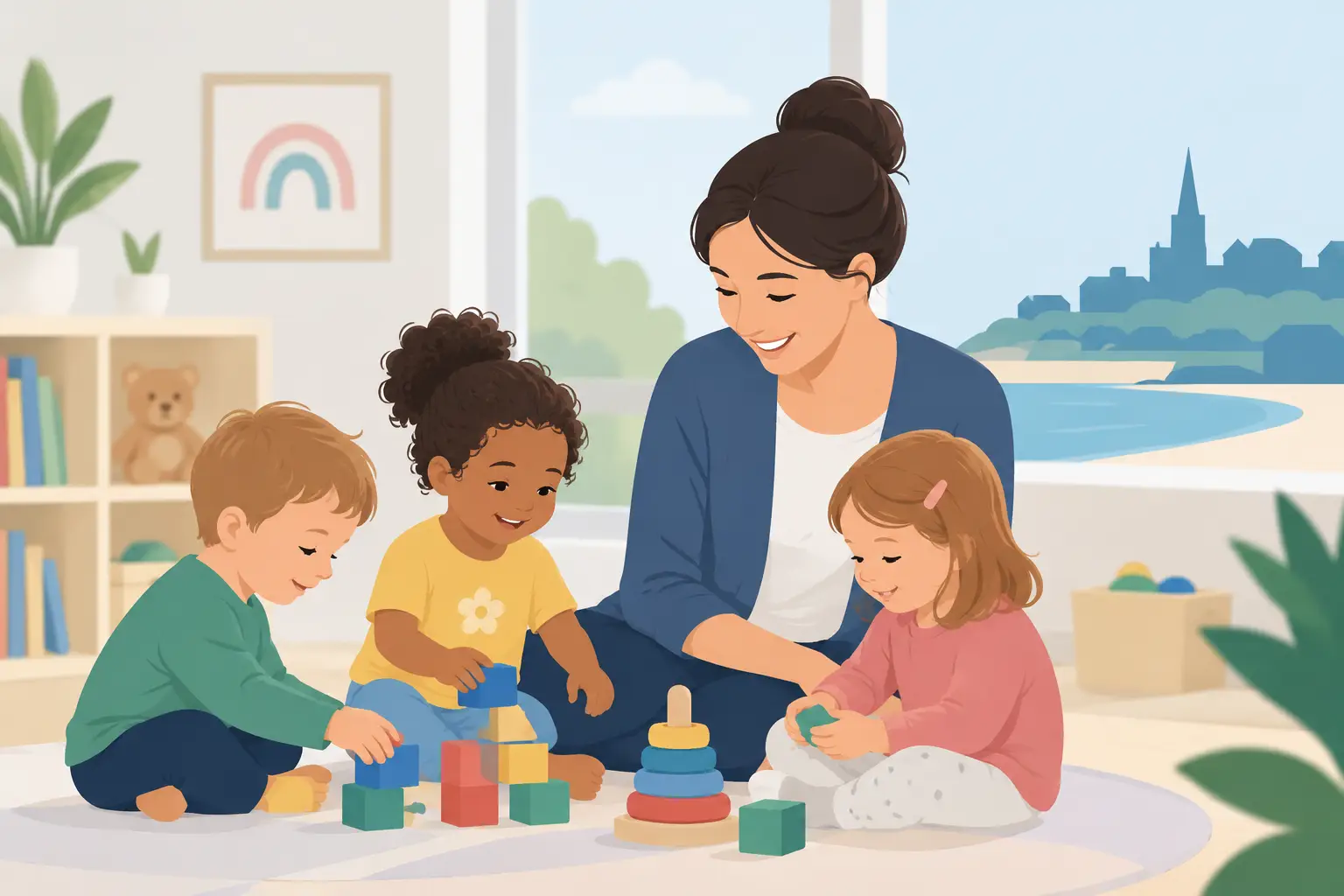
A shop role-play area may encourage early writing and number awareness as children make lists, count pretend food and use new vocabulary. A planting project can lead to conversations about growth, weather and caring for living things. Building a bridge from blocks can bring in problem-solving, persistence and teamwork. These experiences are memorable because they make learning real.
The value of a balanced daily rhythm
Parents sometimes ask what a typical nursery day should include. There is no single perfect schedule, but a thoughtful day usually has a reassuring rhythm: welcome and free play, opportunities for adult-led and child-led learning, outdoor time, meals, rest and calm transitions.
Child-led play gives practitioners a window into what children already know and enjoy. If a child is fascinated by dinosaurs, vehicles or mixing colours, an attentive adult can build on that interest with questions, books, materials and conversation. Adult-led activities have a place too, particularly for introducing a new song, sharing a story or inviting children to try something they might not choose independently.
Neither approach works best all the time. Too much adult direction can make learning feel pressured, while an entirely unstructured day may not give every child the encouragement they need. The balance is what matters.
Outdoor experiences should also be a regular part of the week, not an occasional treat reserved for sunny weather. Puddles, leaves, wind and mud offer rich opportunities for curiosity and physical development. With suitable clothing, children can enjoy fresh air in many conditions while learning to respect the world around them.
How skilled adults make activities meaningful
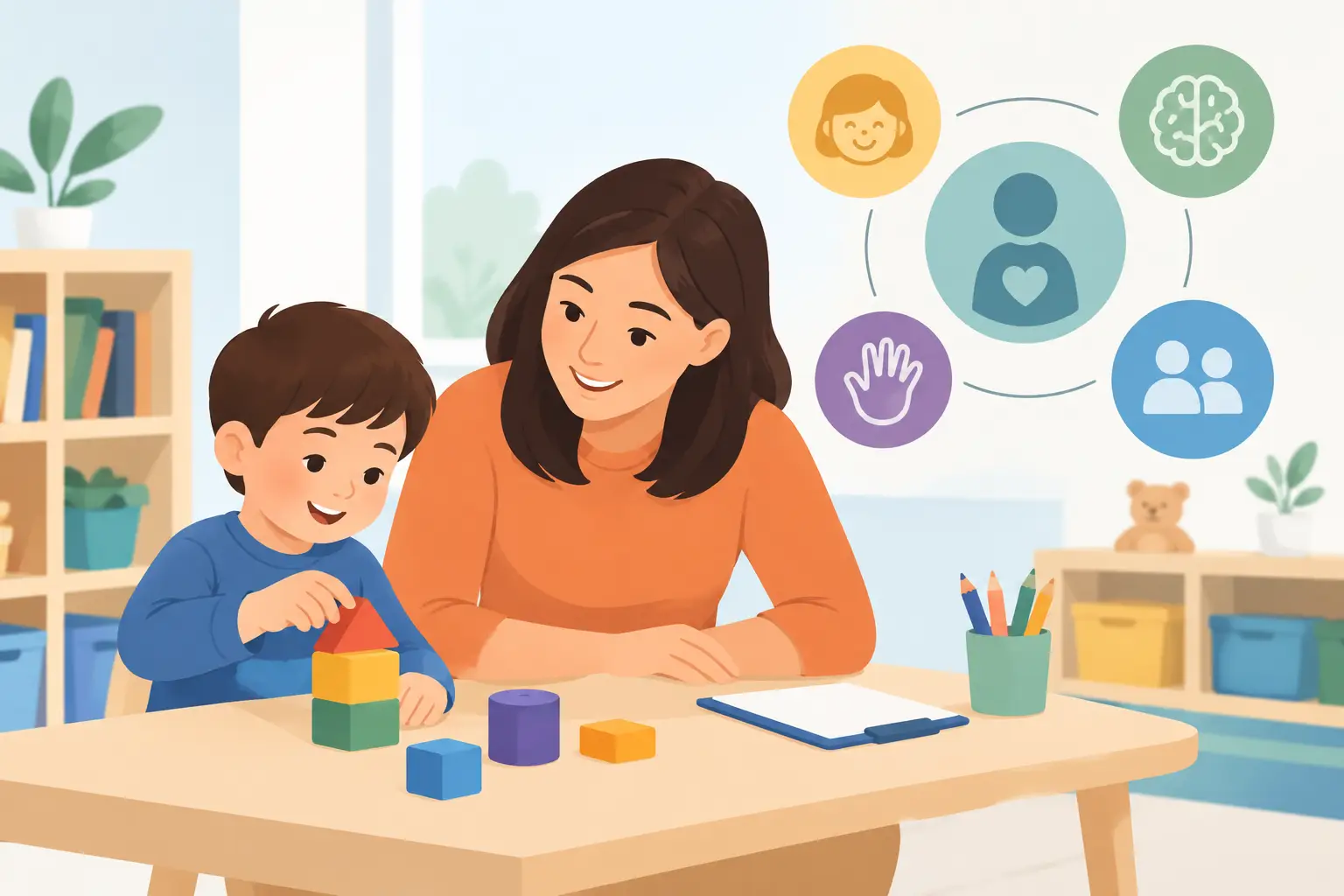
The materials in a nursery matter, but the people matter most. A tray of water, some cups and a few spoons can become a valuable learning experience when a trusted adult is present to encourage, observe and respond.
Practitioners do not need to interrupt every moment with a question. Sometimes children need space to concentrate. At other times, a well-timed comment such as “Your tower fell. What could make the bottom stronger?” can encourage problem-solving without taking over. This kind of sensitive support helps children feel seen rather than tested.
Consistent key carers are particularly important when children are settling in, learning a new routine or going through a change at home. When adults know a child well, they can spot small achievements, recognise when something feels out of character and share useful observations with parents. That partnership means home and nursery can work together rather than feeling like separate worlds.
What parents can look for in nursery activities
A strong activity programme will feel welcoming rather than staged. Children should have access to varied experiences, but they should not be rushed from one task to another for the sake of a busy-looking timetable. Look for children who are engaged, adults who are down at their level, and spaces that invite exploration while remaining safe and well organised.
It is also helpful to ask how activities are planned around individual interests and developmental stages. Clear communication about what your child has enjoyed, attempted or found challenging can offer real peace of mind. A photograph of a painting is lovely; hearing that your child kept trying to use scissors independently or comforted a friend tells you even more about their day.
At Dinotots, the aim is to make each day feel like a happy, secure place to learn. Through the Brighter Learning Approach, activities are designed around children’s curiosity, relationships and growing independence, with the structure families need and the warmth children deserve.
The most valuable nursery activity may not be the one that produces something to take home. It may be the moment a child says a new word, joins a friend’s game, climbs a little higher or looks up at a trusted adult with pride. Those quiet steps are how a child begins to feel ready for the wider world.