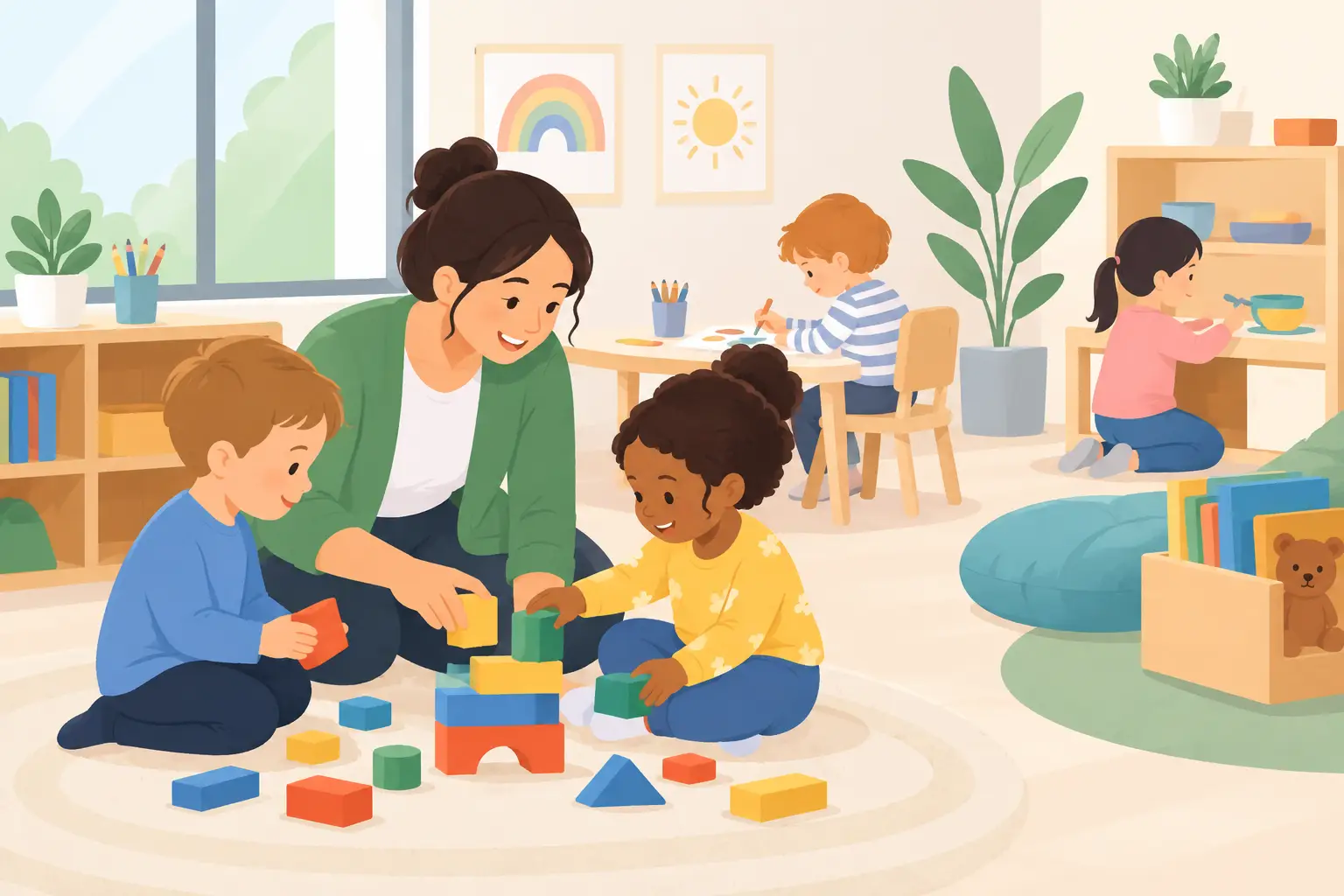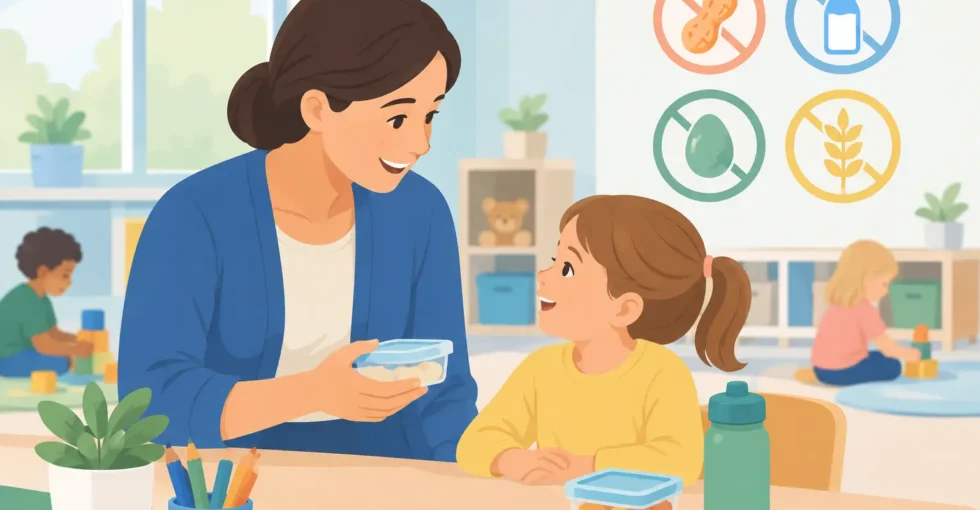

A nursery day should be full of play, friendships, discovery and the comforting routines that help children feel at home. For a child with an allergy, that confidence relies on careful planning behind the scenes. Understanding how nurseries manage allergies can help parents ask the right questions and feel reassured that their child’s needs will be treated with the care they deserve.
At Dinotots, we know that handing over a child with a food allergy, eczema, asthma or another health need can feel daunting. A warm welcome matters, but so do clear procedures, well-trained staff and honest communication. Safe allergy management is a partnership between families, nursery teams and, where needed, health professionals.
How nurseries manage allergies from day one
Good allergy care begins before a child starts. During registration and settling-in, parents should be invited to share detailed information about their child’s allergy, previous reactions, medical diagnosis, prescribed medication and the support they need each day.
The nursery will usually agree an individual healthcare or allergy care plan with the family. This puts essential information in one clear place: the allergen to avoid, signs of a reaction, what action staff should take, emergency contact details and instructions for any prescribed medicine. Where a child has been given an adrenaline auto-injector or inhaler, the plan should reflect the advice provided by their clinician and the manufacturer’s instructions.
This is not a document to file away and forget. Children’s needs can change as they grow, their diet expands or medical advice is updated. Families should tell the nursery promptly about any new diagnosis, reaction or change of medication, and the setting should review the plan regularly with parents.
Knowing the child, not just the allergy
A written plan is vital, but attentive care goes further. A child who is old enough may be encouraged, in simple age-appropriate language, to recognise that certain foods are not for them and to ask an adult before eating something unfamiliar. This should never make a child feel singled out or worried.
For younger children, key carers play a particularly important role. They learn a child’s usual behaviour, appetite and communication cues, which can help them notice quickly if something seems wrong. The aim is for allergy arrangements to sit naturally within the day, so children can join in with confidence.
Safe food routines at nursery
Food is often the area parents think about first, and understandably so. Managing allergens in a busy nursery kitchen and dining room requires more than simply leaving one ingredient off a plate. Staff need reliable systems for ordering, storing, preparing, serving and recording food.
Menus and ingredients should be checked carefully, with dietary requirements clearly communicated to the people preparing and serving meals. A child’s meal may need to be prepared separately or handled with dedicated utensils and surfaces to reduce the risk of cross-contamination. The exact approach depends on the child’s allergy, the food being made and the setting’s facilities.
Children should also be supervised appropriately at mealtimes and snacks. This helps prevent food sharing, which is a common concern in early years environments where little ones are naturally curious about what is on a friend’s plate. Staff can make this feel positive and routine: everyone has their own meal, everyone sits together, and adults are there to help.
A nursery should also consider the whole day, not only lunch. Birthday treats, baking activities, tasting sessions, messy play materials and food brought in from home may all need thought. Some allergies extend beyond eating a food directly, while other children may have sensitivities or medical conditions that require a different approach. Parents should be clear about what their child must avoid and what level of contact is a concern.
Inclusion without unnecessary restrictions
A safe approach does not always mean banning an allergen across an entire nursery. In some cases, a whole-setting restriction may be appropriate. In others, individual plans, careful food handling and supervision may manage the risk well. There is no one-size-fits-all answer.
What matters is that the nursery assesses the risk properly and explains its approach clearly. Families should not be left guessing whether packed lunches are allowed, how treats are handled or what happens during cooking activities. A thoughtful setting will protect the child with an allergy while making sure they remain included in the social moments that make nursery so enjoyable.
Staff training and emergency readiness
Parents deserve to know that staff understand both prevention and response. Allergy awareness training helps teams recognise possible symptoms, follow the child’s care plan and act calmly if a reaction occurs. Symptoms can vary greatly, from hives, swelling or vomiting to coughing, wheezing, difficulty breathing or a child becoming unusually pale, floppy or distressed.
Emergency medication must be stored safely, accessible to authorised staff and checked to make sure it is in date. Staff should know where it is kept, who is trained to administer it and what steps to follow afterwards, including contacting emergency services where required. Clear recording and communication with parents are also essential following any incident, however minor it may seem.
Staffing arrangements matter too. Allergies do not pause when a child’s usual key carer is away, when rooms combine at the beginning or end of the day, or when children go outdoors. Important health information needs to be shared appropriately across the team, while still respecting the child’s privacy.
Allergies beyond the dining table
Not every nursery allergy is food-related. Some children react to pollen, animal dander, dust, latex, soaps, fragrances or ingredients in creams and craft materials. Others have eczema or asthma that can be affected by environmental triggers.
A well-managed setting considers these needs as part of its everyday routines. That may involve using a parent-provided emollient in line with an agreed plan, being mindful of products used in the room, adapting outdoor play on high-pollen days, or ensuring an inhaler accompanies the child where appropriate. The goal is not to wrap children in cotton wool. Outdoor play, sensory experiences and creative activities are valuable for development, so sensible adjustments should support participation rather than remove it.
Trips, walks and holiday childcare need the same care. Before leaving the setting, staff should check the care plan, take required medication, consider food arrangements and ensure the adults attending understand the child’s needs. Consistency gives families confidence, whether their child is enjoying a normal nursery day, after-school care or a special activity.
What parents can do to support safe allergy care
The clearest, most helpful information is usually the best starting point. Share medical letters or allergy clinic advice where relevant, provide medication in its original packaging with the pharmacy label intact, and check expiry dates regularly. If your child has had a reaction since their last nursery day, tell the team at drop-off rather than assuming the information can wait.
It also helps to keep contact details up to date and make sure emergency contacts can answer their phones. If your child is beginning to understand their allergy, use consistent language at home and nursery. A simple message such as, “I only eat food my grown-up says is safe,” can build awareness without creating fear.
When choosing a nursery, ask practical questions. How are allergy plans reviewed? Who prepares special meals? How do staff prevent food sharing? What training do they receive, and how are medication and emergency procedures managed? A caring team will welcome these conversations. Your questions show that you are advocating for your child, and a dependable nursery will see you as a valued partner in their care.
A calm, confident start for every child
Allergy management should never be an afterthought or a barrier to a happy nursery experience. With clear plans, thoughtful food routines, trained staff and close family communication, children can be safe while still enjoying the friendships, learning and everyday magic of early years life.
The most reassuring nursery is one that listens closely, acts carefully and keeps talking. When parents and practitioners share information openly, children can spend their days doing what childhood is for: feeling secure enough to play, learn and grow.