
Your toddler points urgently at the banana, looks you straight in the eye and says, “Nana!” It may be one small word, but it is a big moment: they have connected a thought, an object and another person. Learning how to encourage toddler language is less about formal lessons and more about noticing these everyday attempts, responding warmly and giving your child plenty of reasons to communicate.
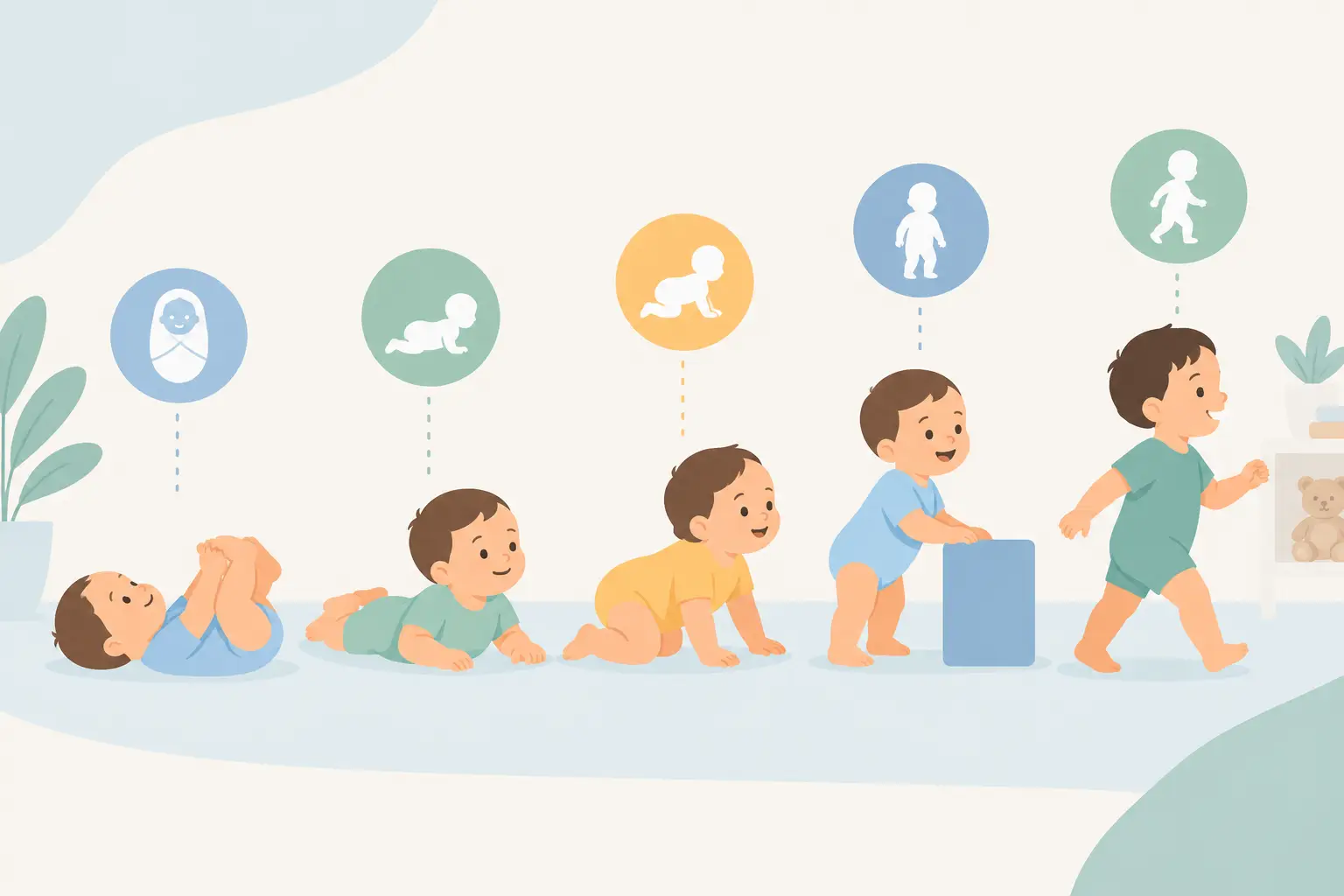
Toddlers develop at very different rates. Some chatter early, while others spend longer listening, watching and building confidence before their words appear. What matters most is not comparing children, but creating a calm, language-rich environment where your toddler feels heard, understood and keen to have another go.
How to encourage toddler language in everyday moments
The most helpful conversations often happen when you are already doing something together. Getting dressed, preparing tea, walking to the car or tidying toys all offer natural chances to hear and use meaningful words.
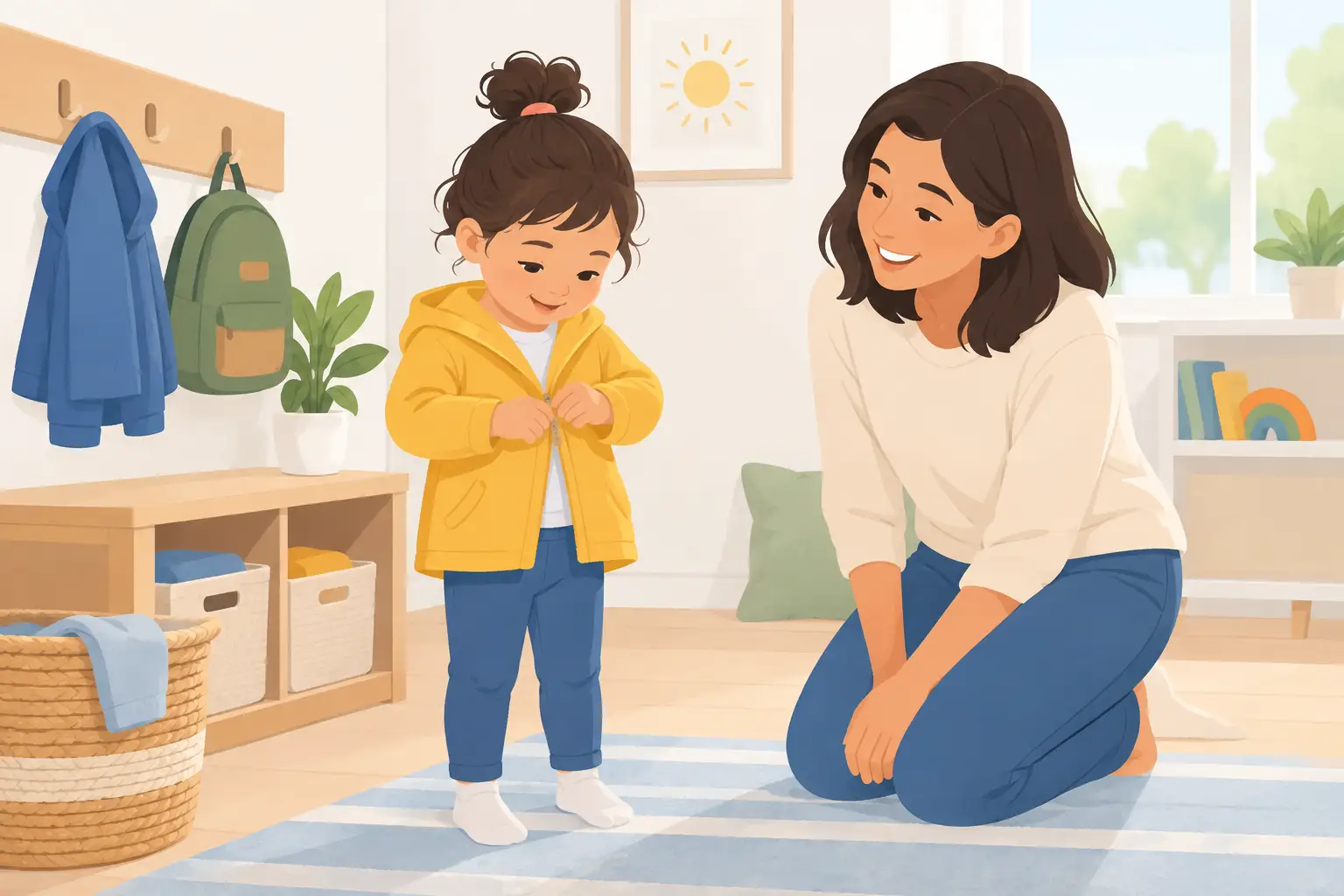
Try describing what is happening in simple, complete phrases. If your child is putting on their coat, you might say, “Your blue coat is on. One arm in, then the other arm.” At snack time, say, “You are eating crunchy apple,” rather than testing them with repeated questions such as, “What is that?”
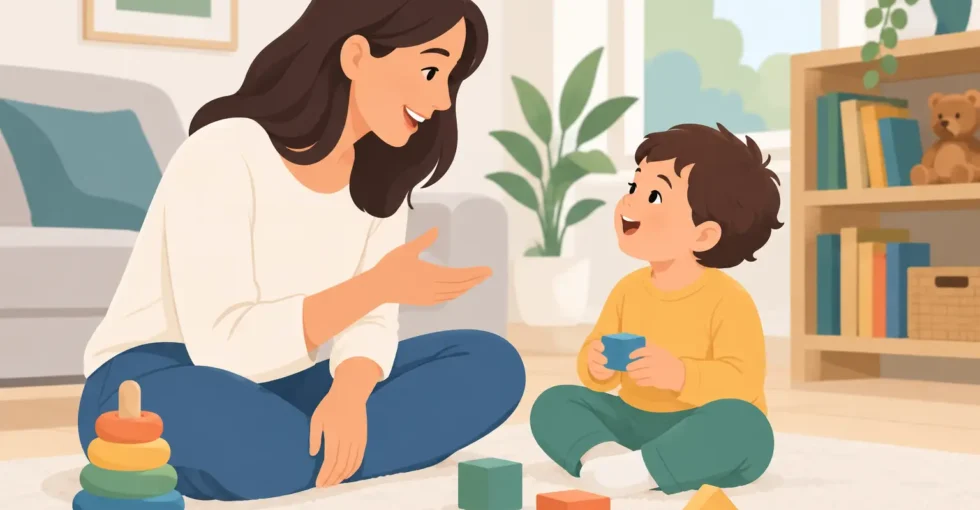
A useful approach is to follow your child’s lead. Notice what has caught their attention, get down to their level and talk about it. If they are watching a digger, you could say, “The big digger is scooping mud. It is very noisy.” This gives them words that fit their interest in that exact moment.
Leave a little pause after you speak. Toddlers need time to understand, form an idea and respond. A quiet wait can feel long to an adult, but it shows your child that their contribution matters. They may answer with a look, gesture, sound or word – all are valuable parts of communication.
Expand what they say without correcting them
When a toddler says “doggy run”, respond by adding a little more language: “Yes, the doggy is running fast!” This is called expanding, and it helps children hear how their ideas can grow into longer phrases without turning conversation into a correction exercise.
You do not need to ask them to repeat words perfectly. If they say “tar” for “car”, simply reply, “Yes, a red car.” They will hear the clear version in a positive context. Pressure can make some children reluctant to speak, whereas relaxed back-and-forth exchanges build confidence.
Make books, songs and play part of the routine
Reading together is one of the loveliest ways to support language, but it does not need to mean finishing every page of a book. A toddler may want to return to the same picture, point at the cat or turn the pages quickly. That is still shared reading.
Choose sturdy books with familiar pictures, simple stories, rhyme and repetition. Name what your child points to, make animal noises, and invite them to join in with a repeated line. You can say, “Where is the sleepy bear?” then wait, rather than expecting an immediate spoken answer.
Songs and rhymes are equally valuable. Their repetition helps toddlers anticipate words, practise sounds and enjoy the rhythm of language. Singing during handwashing, bath time or the journey to nursery can make routines more predictable as well as more playful.
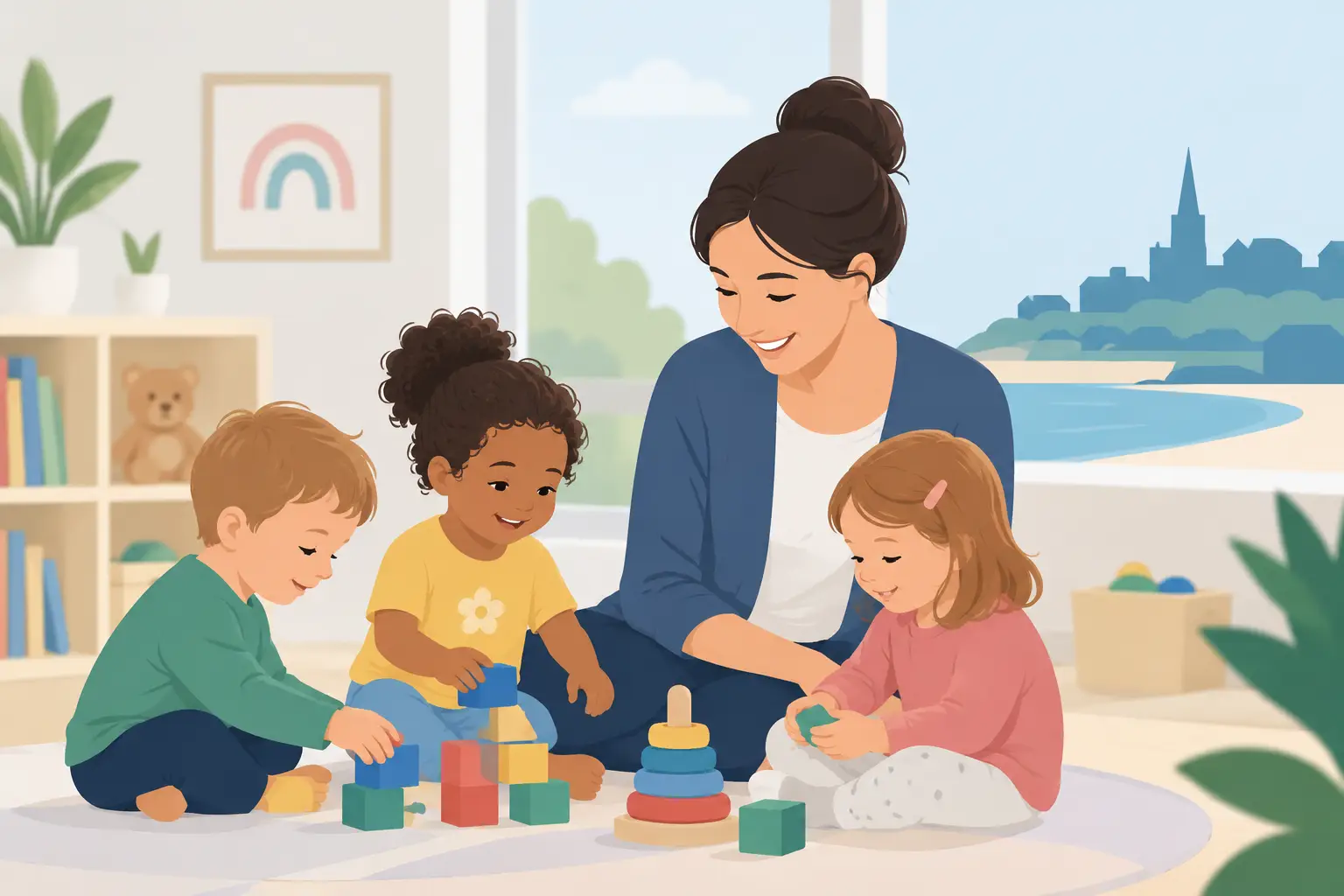
Pretend play gives language a purpose. A teddy might need dinner, a toy car might be stuck, or a box might become a bus. Join in without taking over: “Oh no, teddy is hungry. Shall we make soup?” Your child may use a word, copy an action or offer you an empty cup. Each response keeps the shared story going.
Give your toddler reasons to communicate
It is natural to know what your child wants before they say it, especially when you know their routines well. Yet small, kind pauses can create opportunities for them to gesture, look, point, make a sound or use a word.
For example, hold out two fruits and ask, “Would you like pear or banana?” Keep the choice simple and accept any answer. If they point, you can model the word: “Banana, please. You chose banana.” This supports communication without making them feel they have to perform.
Place a favourite toy in a clear container they cannot quite open, then wait nearby. The aim is not to frustrate your child. It is to create a manageable reason to look to you, gesture or ask for help. Respond warmly when they do: “You need help. Let’s open it together.”
Avoid using screens as a substitute for conversation. A well-chosen programme may be enjoyable alongside an adult, particularly if you talk about what you can see. But toddlers learn language best from responsive people: faces, voices, pauses, play and real-life experiences.
Build language through connection, not pressure
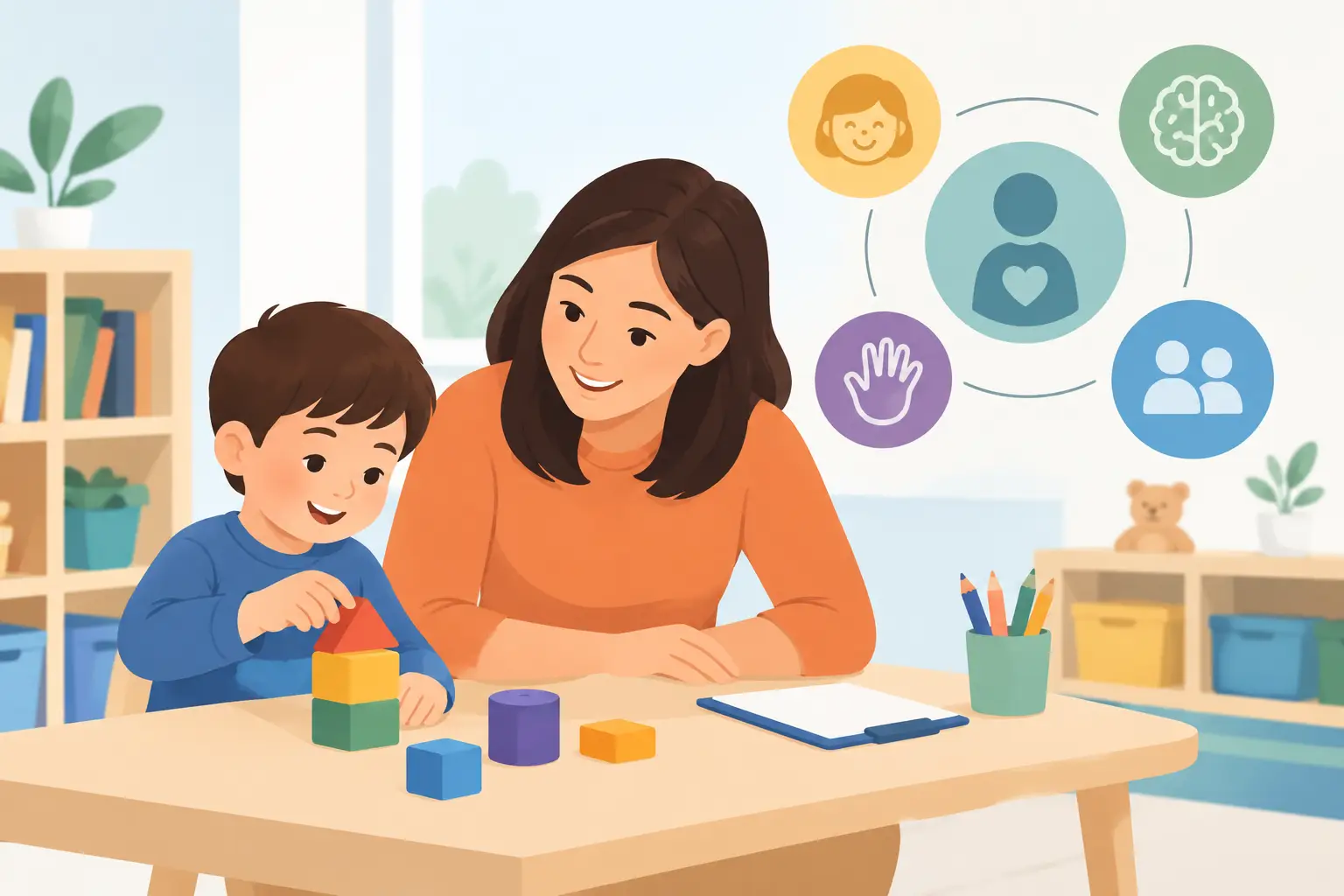
A toddler who feels safe is more likely to explore, play and communicate. Everyday connection supports language just as much as naming objects does. Share eye contact when your child welcomes it, smile at their attempts and show genuine interest in what they are telling you.
Try to reduce background noise when you can. A television playing throughout the day can make it harder for toddlers to pick out the words directed at them. A quieter room also makes story time, meals and play feel more settled for everyone.
If your family uses more than one language, continue speaking the language that feels most natural and loving to you. Hearing rich, confident language from parents and carers is beneficial. Children can learn more than one language, though they may distribute words across them or mix them while learning. This is a normal part of multilingual development.
It also helps when the important adults in your child’s life use similar approaches. Share new words, favourite songs and interests with grandparents, childminders and nursery practitioners. At Dinotots, trusted key carers can help families build that bridge between home and nursery, so children hear familiar language, routines and encouragement across their day.
Notice communication beyond words
Language development includes much more than speech. Pointing, waving, bringing you an object, copying an action, using facial expressions and making sounds are all meaningful ways that toddlers connect with others.
Celebrate these early steps. When your child points to a bird, you might say, “You can see a bird! It is flying.” When they take your hand towards the door, say, “You want to go outside.” Putting words to their message helps them link what they are already communicating with the language they will gradually use themselves.
Toddlers also learn from hearing words for feelings. During a difficult moment, try naming the emotion and holding the boundary: “You are cross because playtime has finished. It is hard to stop when you are having fun.” This will not remove every tantrum, but it gives your child language for experiences that can otherwise feel overwhelming.
When to seek a little extra support
There is a wide range of typical language development, and a child who is quiet is not necessarily struggling. Some toddlers understand far more than they can say, while others are naturally cautious around unfamiliar adults. Progress over time matters more than a single word count.
It is sensible to speak to your health visitor, GP or an early years professional if you have concerns about your toddler’s hearing, understanding, interaction or speech. You may also want advice if they rarely respond to their name, do not use gestures to communicate, seem to have lost skills, or their frustration around communication is increasing. Seeking guidance is not overreacting; it is a practical way to understand what support may be helpful.
You know your child best. Keep conversations gentle, make room for their response and take pleasure in every new sound, sign, gesture and word. Language grows in the ordinary moments when a child learns, again and again, that someone is listening.