
A move to a new nursery room can feel like a big moment, even when your child has already settled happily into their current routine. This nursery room transitions guide explains what a thoughtful transition should look like, how you can support your child at home, and why moving rooms is about more than reaching a birthday milestone.
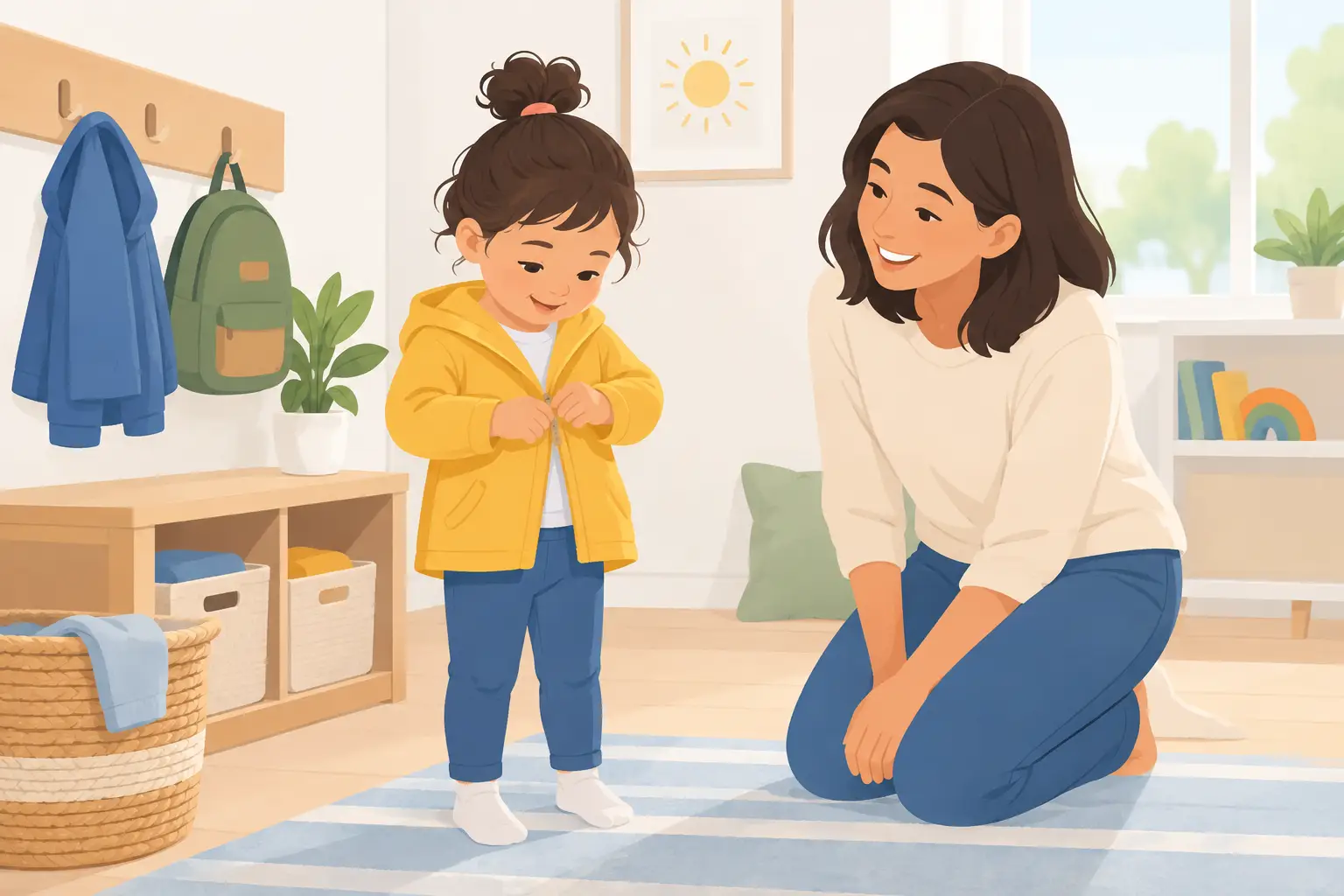
For a young child, their room is a familiar little world. They know where their coat goes, who helps them at snack time and which corner has the toys they love. A well-planned move protects that sense of security while opening the door to new friendships, experiences and growing independence.
Why nursery room transitions matter
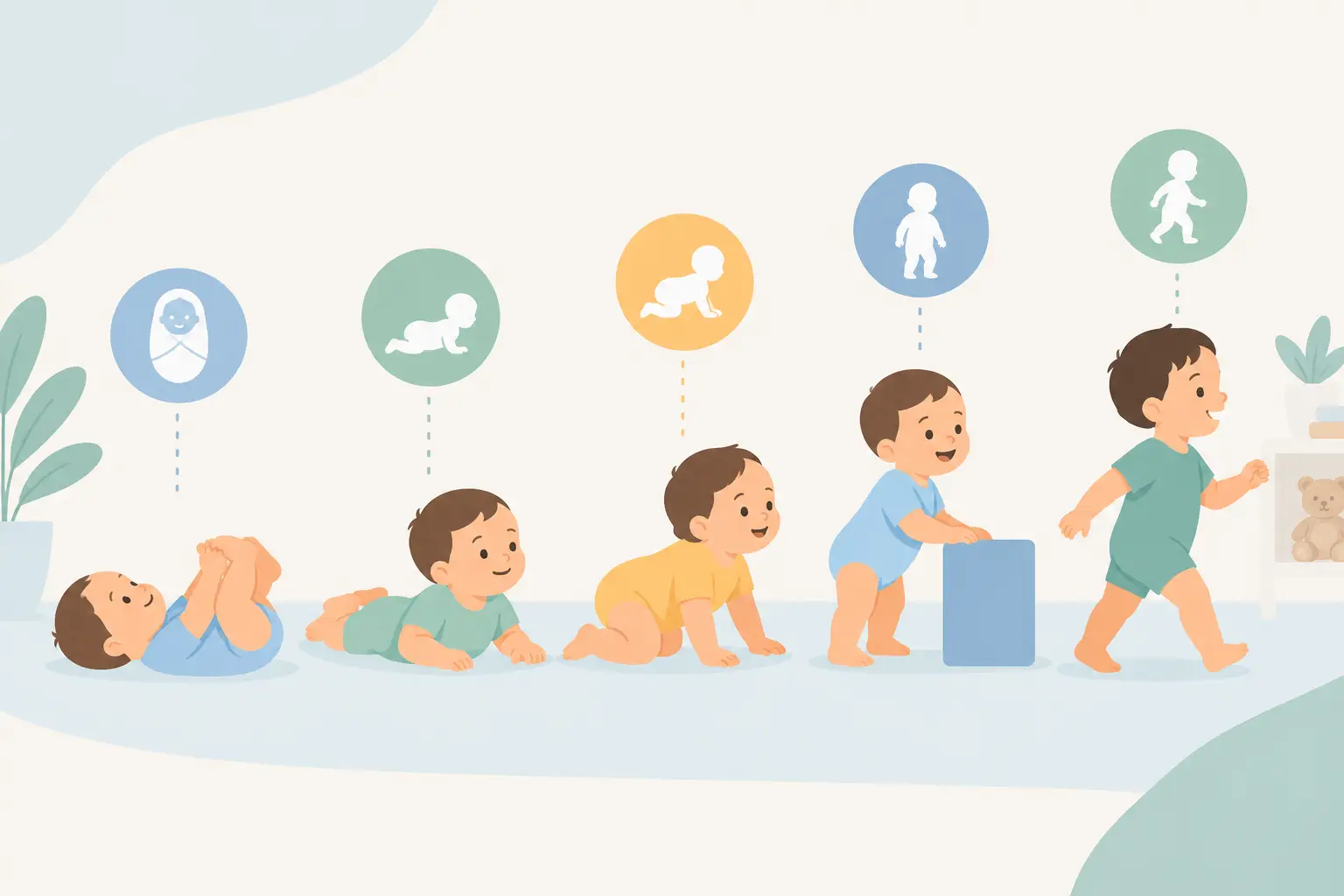
Nursery rooms are usually organised around broad developmental stages. Babies need calm, close care and plenty of one-to-one interaction. As children become more mobile, curious and socially aware, they benefit from spaces, routines and activities that encourage communication, movement, imaginative play and confidence with others.
The right time to move is not simply about age. Your child’s development, personality, friendships and confidence all matter. Some children are ready to explore their next room quickly; others need more time to become comfortable with change. There is no prize for rushing a transition. The goal is for your child to feel safe, known and ready to enjoy what comes next.
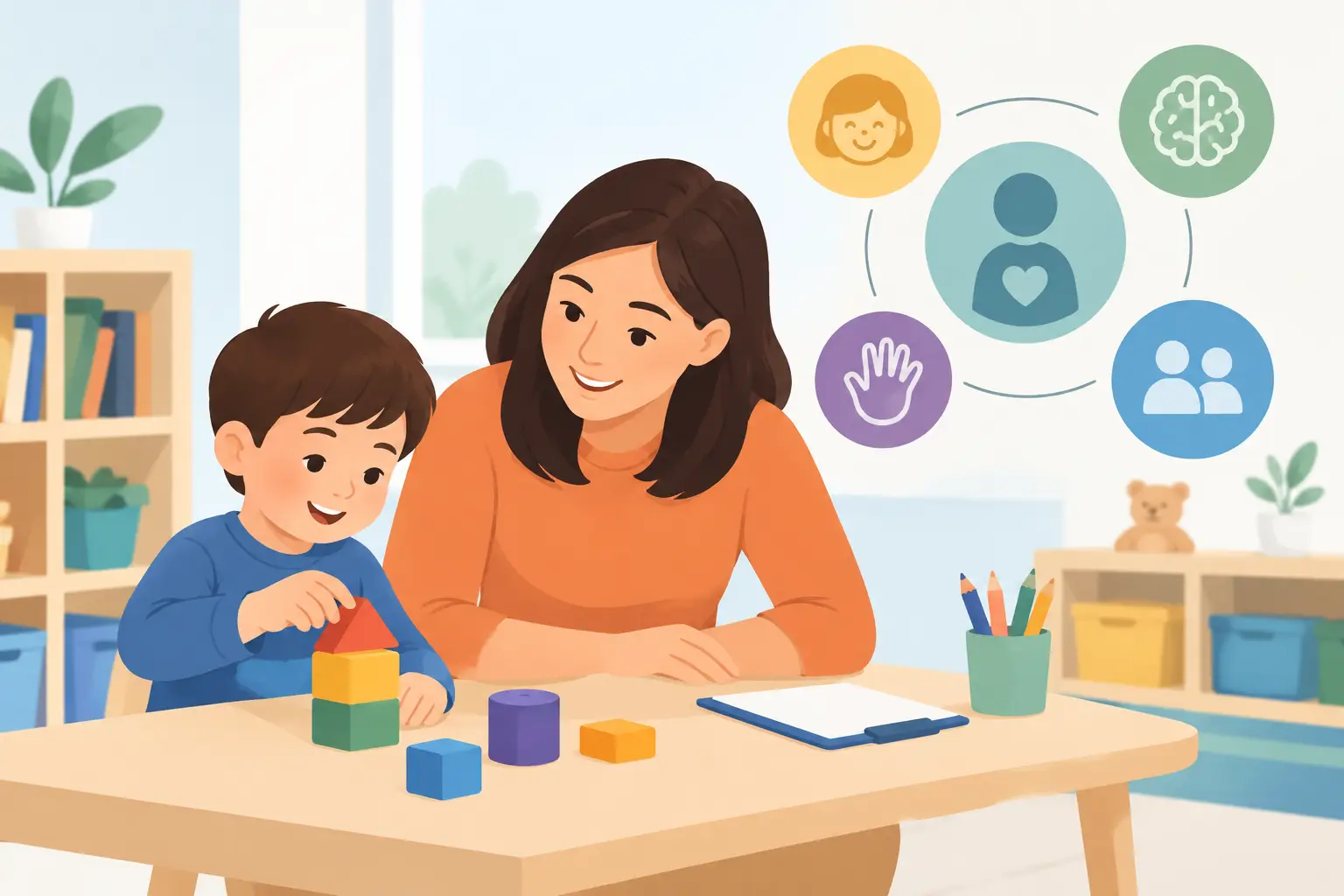
At Dinotots, transitions are approached as a partnership with families. Staff observations, your own insight and your child’s daily wellbeing all help shape the plan. This helps us maintain the warmth and consistency children need, while ensuring their learning continues to stretch and inspire them.
What a positive transition looks like
A positive transition is gradual, purposeful and led by relationships. Your child should have opportunities to visit their new room before they move fully, beginning with short, relaxed sessions and building up as their confidence grows. They may explore alongside their current key person at first, then spend time with the adults who will care for them in the new room.
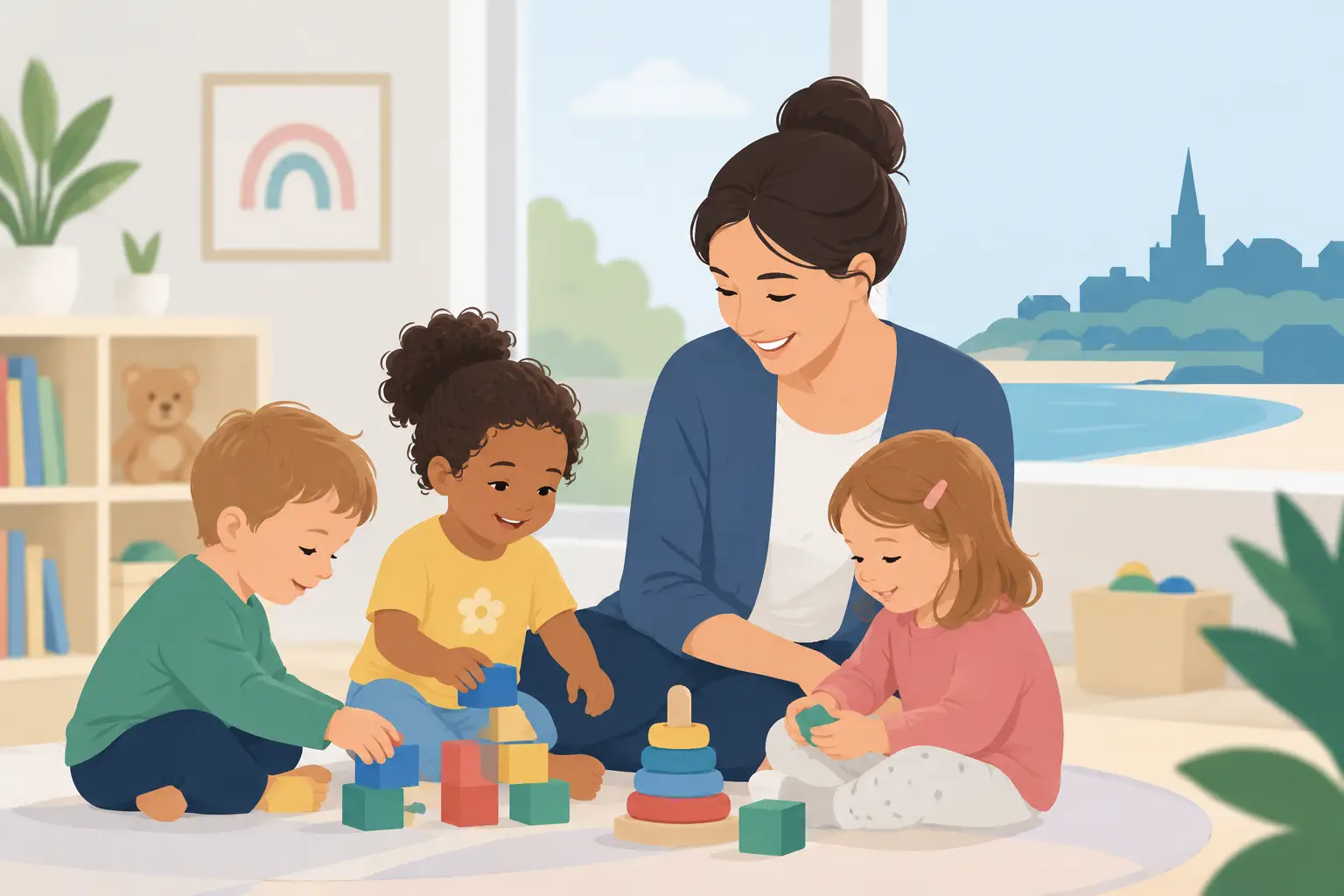
Those early visits are not just a chance to look at different toys. They allow your child to hear familiar voices, learn where things belong and see the rhythm of the day. They can meet other children, join a song, sit down for a small activity or play outdoors with their new group. Repeated, positive experiences make the room feel less unfamiliar.
A handover between staff is equally important. The new team should know the details that help your child feel understood: their favourite comforter, usual sleep routine, words they use for toileting, foods they are still learning to enjoy and the best ways to calm them when they are upset. Your child should never feel as though they are starting again with strangers.
Familiar adults, new opportunities
Your child’s key person plays an important role in helping them make sense of the change. They offer a dependable relationship throughout nursery life and share observations with colleagues so that care remains personal. Depending on the setting and your child’s needs, their key person may accompany them on visits or help introduce the new adults gradually.
The next room may have a livelier routine, new resources or a larger group of children. That can be exciting, but it can also be tiring at first. Experienced practitioners balance encouragement with reassurance, giving children time to watch before expecting them to join in.
How to prepare your child at home
You do not need to turn a room move into a major event. In fact, simple, calm conversations usually work best. Mention the new room positively and realistically: “You’ll have a chance to play with the big blocks and see your new friends.” Avoid making promises that may not be true, such as saying they will never feel sad or that every day will be easy.
Books and pretend play can help younger children process change. You might act out taking a teddy to nursery, saying goodbye, trying a new activity and coming back together at home time. Let your child lead the story. Their play may show you what they are excited about or what they are worried about.
Keep familiar routines steady where possible. A consistent bedtime, an unhurried morning and the same goodbye ritual can provide real comfort when one part of the day is changing. If your child uses a comfort item, check the nursery’s arrangements and make sure it is clearly labelled.
Try to speak confidently at drop-off, even if you are feeling emotional yourself. A warm cuddle, a clear goodbye and trust in the staff’s response helps children understand that nursery is a safe place. Lingering or returning repeatedly after saying goodbye can make the separation harder for some children, although every family and child is different.
Questions to ask before your child moves rooms
Good communication removes much of the uncertainty from a transition. Your nursery should be happy to talk through the process and explain how it will be tailored to your child. Ask who your child’s new key person will be, how visits will be arranged and what information is shared between rooms.
It is also useful to ask about practical changes. Will meal times, sleep arrangements, outdoor play or the daily routine look different? How will the team support toilet learning if that is relevant? What learning experiences will be introduced in the new room, and how will staff keep you updated on your child’s progress?
Parents know their children best. Share anything that might affect the move, including a recent house move, a new sibling, changes in sleep or a particular worry your child has expressed. Small details can help practitioners offer the right reassurance at the right time.
When your child finds the move difficult
A little extra clinginess, tiredness or upset at drop-off can be a normal response to a new routine. Some children may talk constantly about their old room, while others may seem unaffected at nursery but become more emotional at home. This does not necessarily mean the transition has gone badly. Change takes energy, and children often need time to process it.
What matters is that the nursery responds with care and consistency. Staff may offer extra check-ins, familiar activities, quiet moments with a trusted adult or a gentler pace during the first few weeks. Keep the conversation open and share what you are seeing at home, rather than waiting for a problem to become overwhelming.
If distress is persistent, speak with the room leader or key person to review the plan together. It may help to extend settling visits, adjust drop-off routines or agree a short-term communication plan. A transition should be responsive, not fixed. The best approach depends on the child in front of you.
Supporting siblings and family routines
A room move can affect the whole family, particularly when mornings are already busy with work, school runs and younger siblings. Where possible, talk through any new practical arrangements in advance, such as a different entrance, room location or earlier collection for a settling session. Knowing the plan helps everyone begin the day more calmly.
If an older sibling has memories of the same room, invite them to share happy, honest stories without putting pressure on the younger child. A simple “I liked the painting area there” can be reassuring. “You will love it and never cry” can unintentionally make a child feel that their worries are wrong.
Looking ahead with confidence
Each nursery room transition is a chance for your child to practise a valuable life skill: feeling secure enough to step into something new. With familiar relationships, careful planning and honest communication, they learn that change can bring new people, new possibilities and another place where they belong.
Give your child time, celebrate the small signs of confidence and let their nursery team walk alongside your family. The goal is not a perfect first day in a new room, but the quiet, growing certainty that they are safe, happy and ready to keep discovering.