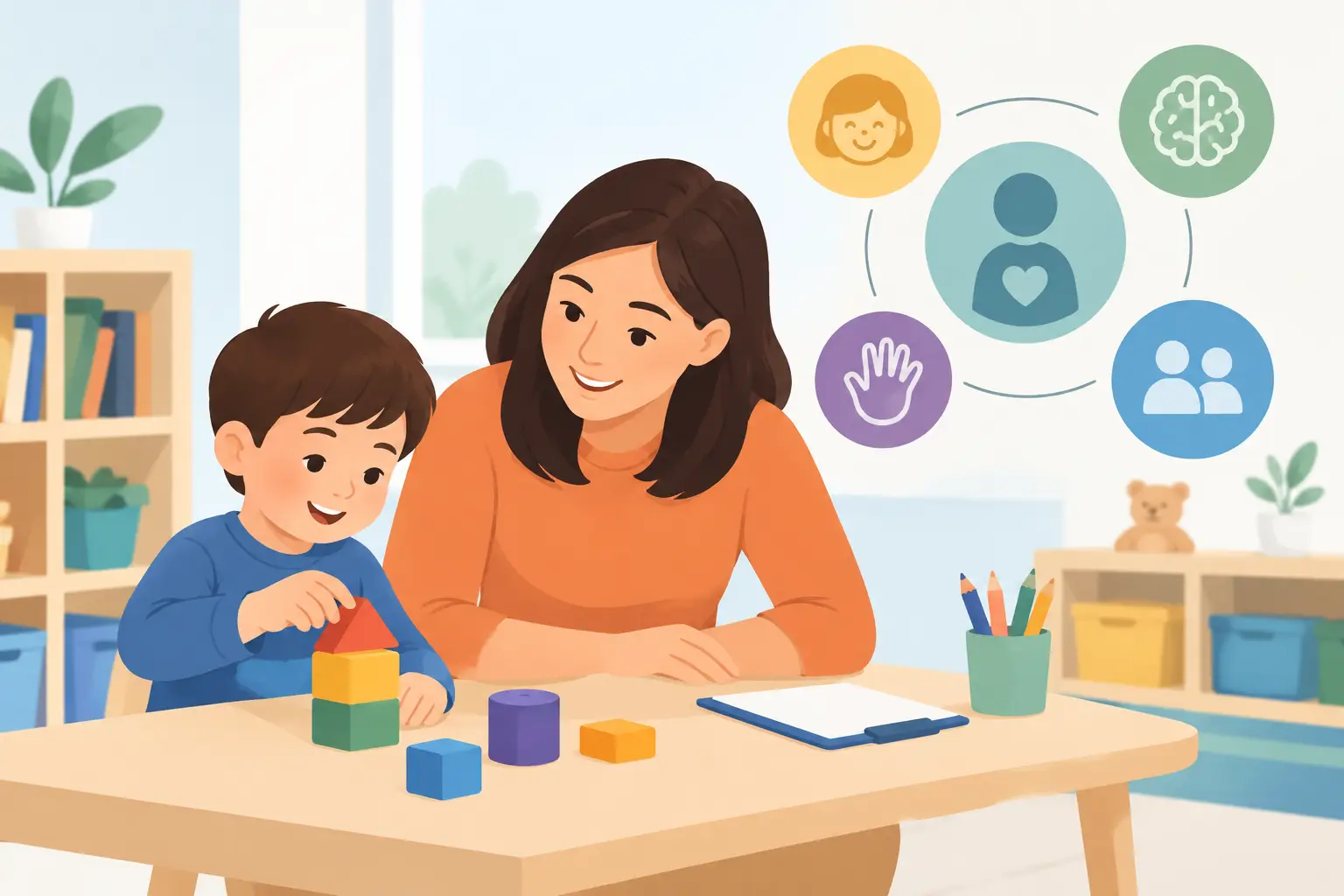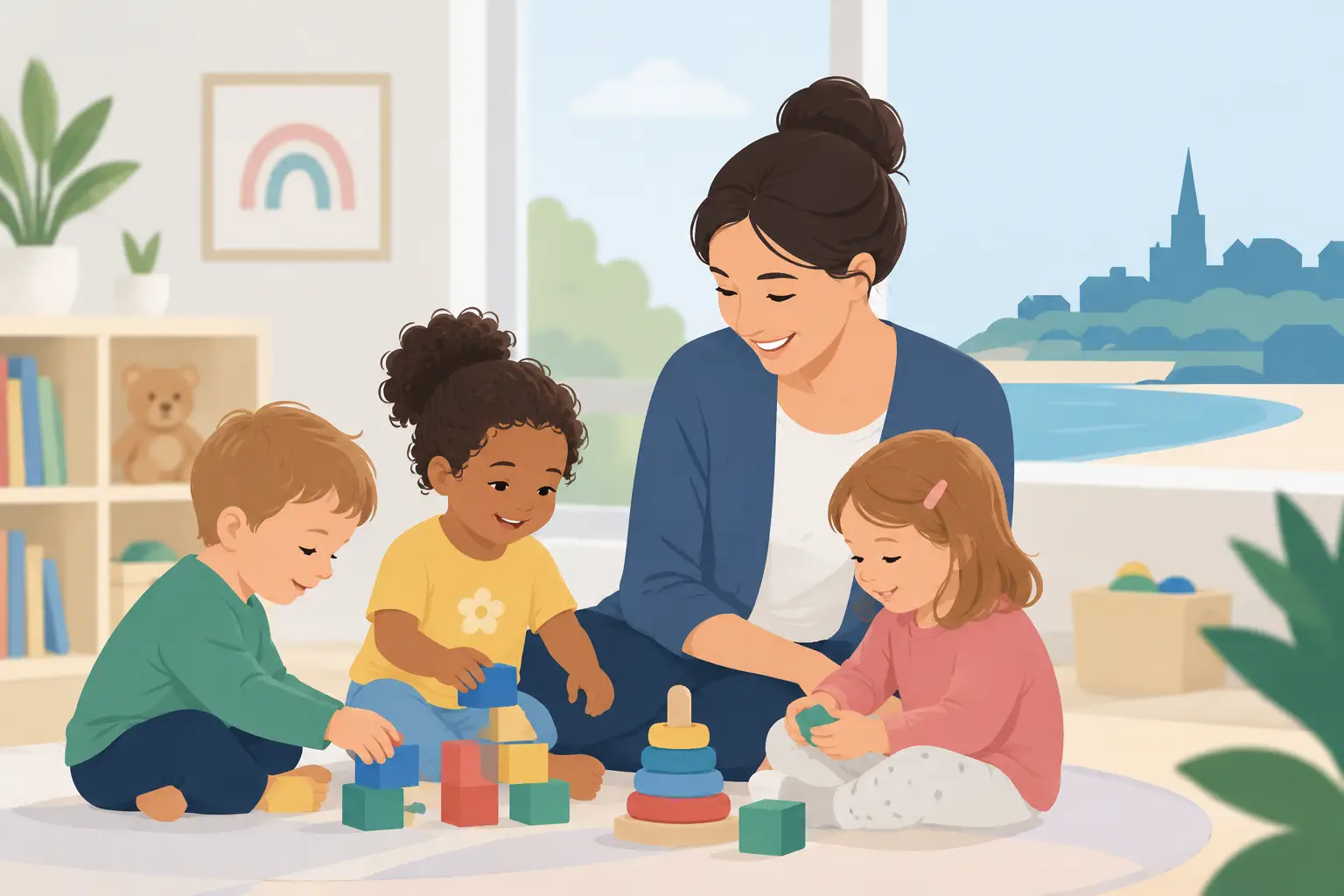

The first few minutes of a nursery drop-off can tell you a great deal. A child may run straight towards a favourite activity, hold tightly to a parent’s hand, or need a quiet cuddle before they are ready to say goodbye. All of these responses can be normal. What matters most is that early years emotional security is built patiently, with familiar adults, predictable routines and a setting where every child feels known.
For parents, emotional security is not an extra alongside learning. It is the foundation that allows children to play, communicate, make friends and develop confidence. When a child feels safe and understood, they have more freedom to be curious about the world around them.
What early years emotional security really means
Emotional security is a child’s sense that the adults caring for them are dependable, warm and responsive. It is the quiet confidence that someone will notice when they are worried, celebrate when they are proud, and offer comfort when they are tired or upset.
In the early years, children are still learning how to understand big feelings. They may not have the words to say, “I am finding this new room overwhelming,” or, “I missed you after the weekend.” Instead, they may become clingy, unusually quiet, frustrated or tearful. A secure environment does not expect children to manage these feelings alone. It gives them gentle support while helping them gradually build the skills to cope.
This does not mean children need to be happy every second of the day. Disappointment, conflict and uncertainty are part of growing up. Emotional security means a child has a trusted base from which to work through those moments. They learn that feelings can be expressed safely, named kindly and managed with help.
Why security comes before confident learning
Young children learn through relationships as much as activities. Before they can fully concentrate on a story, join a group game or attempt a tricky puzzle, they need to feel settled enough to take part.
A child who feels secure is more likely to explore a new area of the room, ask for help, try again after a setback and form positive connections with other children. These experiences support communication, self-regulation and independence, all of which are important parts of the Early Years Foundation Stage.
There is a practical benefit for family life too. When children know what to expect from their childcare setting, mornings can become calmer over time. Parents can leave knowing their child is with professionals who understand their individual routines, interests and ways of communicating. That reassurance matters, particularly when work, school runs and busy household schedules are already demanding.
The role of a key carer
A dedicated key carer is one of the most meaningful ways a nursery can support a child’s emotional wellbeing. This is the adult who takes particular responsibility for getting to know the child and building a strong partnership with their family.
They learn the small but important details: whether a child prefers a little time to watch before joining in, which song helps at nappy change time, what makes them laugh, and how they show they are becoming tired. They can share these observations with parents and use them to make the day feel more familiar and comforting.
A key carer should not be the only adult a child knows. Children benefit from feeling safe with a wider team, especially where staff holidays or normal changes in the day occur. However, having one consistent relationship at the heart of a child’s experience gives them a reliable point of connection.
For babies and younger toddlers, this consistency is especially valuable. For pre-school children, it can still make a real difference, particularly during room moves, changes at home or the transition towards school.
Familiar routines create an oasis of calm
Children do not need every day to be identical, but they do benefit from a rhythm they can recognise. A warm welcome, familiar mealtimes, a chance for active play, quieter moments and a clear home-time routine all help children understand what comes next.
Visual prompts, simple songs and repeated phrases can make routines easier to follow. At Dinotots, this kind of consistent care sits alongside purposeful learning, so children can feel secure without their day becoming rigid or uninspiring.
Routine also supports independence. When a child knows where to put their coat, when they wash their hands and how snack time works, they can begin doing more for themselves. That sense of capability often brings a visible boost in confidence.
How adults respond to big feelings
A child’s feelings are not misbehaviour to be brushed aside. They are communication. A calm adult response helps children feel heard while also showing them safe boundaries.
For example, if a toddler is upset because another child has taken a toy, the adult might acknowledge the feeling: “You are cross because you were still using that.” They can then help the child find a solution, perhaps by using a timer, choosing another toy or practising simple words such as “my turn next”. This approach does not mean giving in to every demand. It means setting limits with kindness and helping children learn what to do instead.
The same applies when children struggle at separation. A rushed goodbye can sometimes make a difficult moment harder, while an overly long farewell can leave a child uncertain about when the parent will go. The best approach depends on the child, but a short, confident goodbye and a familiar handover to a trusted adult often works well. Staff can then offer comfort, involve the child in a favourite activity and update parents honestly once they have settled.
Settling in is a partnership, not a test
Some children settle quickly and some take longer. Neither response says anything about a child’s strength of character or a parent’s decision to use childcare. New faces, sounds and routines are a lot to process, especially for babies and toddlers.
A thoughtful settling-in process gives children time to become familiar with their room, key carer and daily routine before attending for longer periods. Parents can share information about sleep, food, comfort objects, family routines and any recent changes that may affect their child’s emotions.
Consistency between home and nursery can be helpful, but it does not need to be perfect. Every setting has its own routine, and children are capable of learning that different places have different expectations. The aim is not to copy home exactly. It is to make sure the child receives the same core message in both places: you are cared for, your feelings matter, and the adults around you can help.
Small ways parents can support emotional security
The strongest support often comes from ordinary, repeated moments. Talking positively and truthfully about nursery can help children know what to expect. Rather than promising, “You will not be sad,” try, “You might miss me, and your key carer will look after you. I will come back after tea.”
A predictable morning routine can also reduce pressure. Packing bags the night before, allowing a few extra minutes at drop-off and keeping goodbyes clear can make the start of the day feel less hurried. If your child has a comforter that is suitable for the setting, a familiar item from home may help during the early weeks.
It is also useful to share changes with staff. A new baby, a house move, poor sleep, illness in the family or a parent travelling for work can all affect a child’s behaviour. There is no need to share more than feels comfortable, but a little context helps carers respond with greater understanding.
When worries need a closer look
Most children have periods of uncertainty, particularly after starting a new setting, returning from holidays or moving rooms. A few tears at handover do not necessarily mean a child is unhappy for the rest of the day. What matters is the overall pattern: how quickly they settle, whether they engage in play, and whether staff can comfort them.
If distress remains intense over time, or you notice major changes in sleep, appetite, behaviour or communication, speak with the nursery team. A good provider will listen without judgement, share clear observations and agree practical next steps with you. Sometimes a small adjustment, such as a slightly different drop-off routine or extra time with a key carer, is enough. In other cases, families may need advice from a health visitor, GP or other appropriate professional.
Children thrive when the adults around them work together with patience and care. Each warm greeting, reliable routine and compassionate response tells a child something powerful: this is a place where I belong, and I am safe to grow.