
A nursery visit can leave parents with a surprisingly big question: will my child flourish with a clear routine and adult-led experiences, or with more freedom to choose and explore? When comparing EYFS versus Montessori learning, the most reassuring answer is that both can support happy, capable children. What matters most is how thoughtfully the approach is brought to life each day by caring, skilled adults.
What EYFS means for your child
The Early Years Foundation Stage, usually shortened to EYFS, is the statutory framework for early education and childcare in England. It sets out what registered early years settings must provide for children from birth to the end of Reception, including expectations around learning, development, safeguarding and welfare.
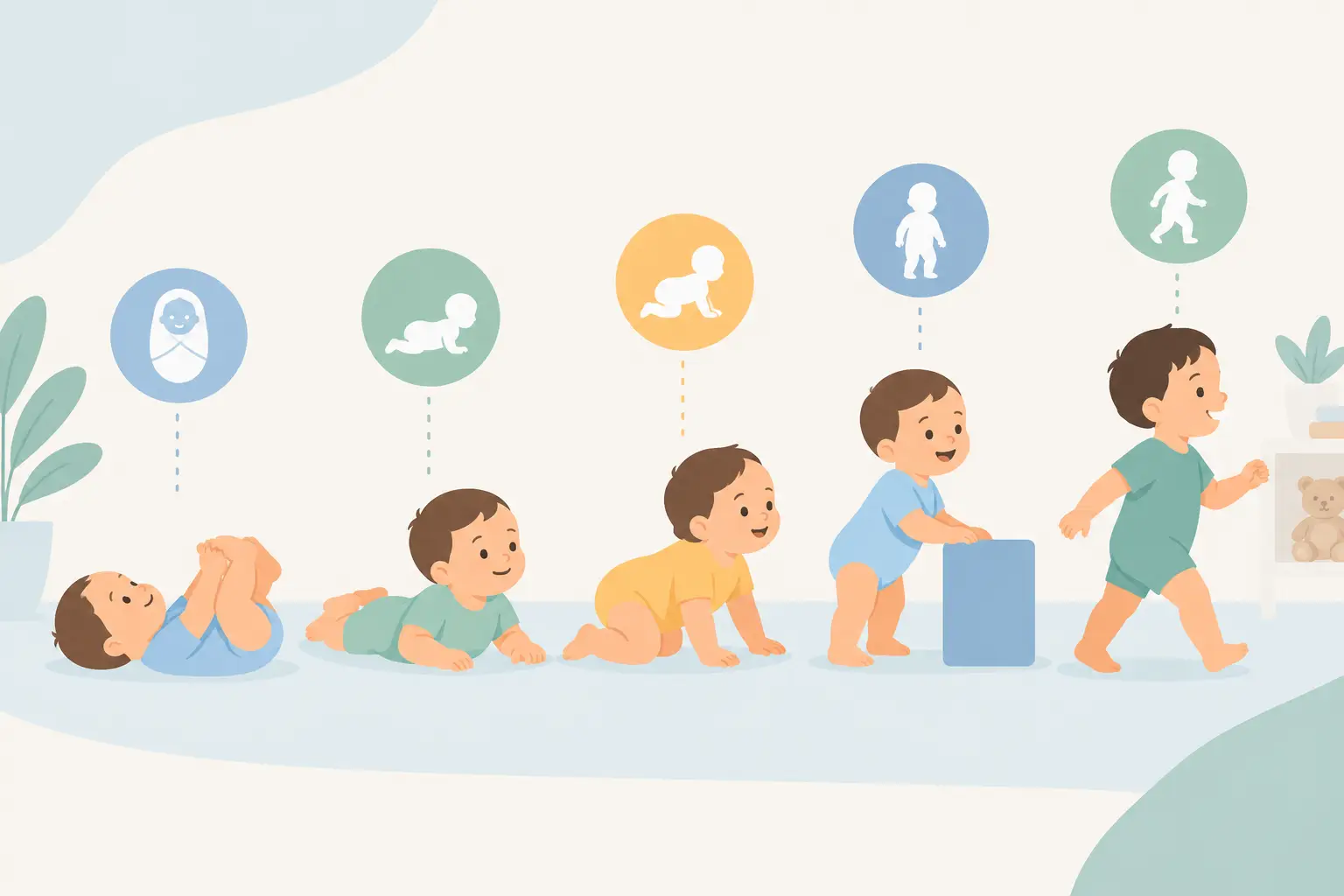
It is not a rigid lesson plan for toddlers. Rather, it gives nurseries a shared foundation for noticing children’s progress, planning meaningful experiences and ensuring every child has the support they need. The EYFS covers seven areas of learning, with particular early focus on communication and language, physical development, and personal, social and emotional development.
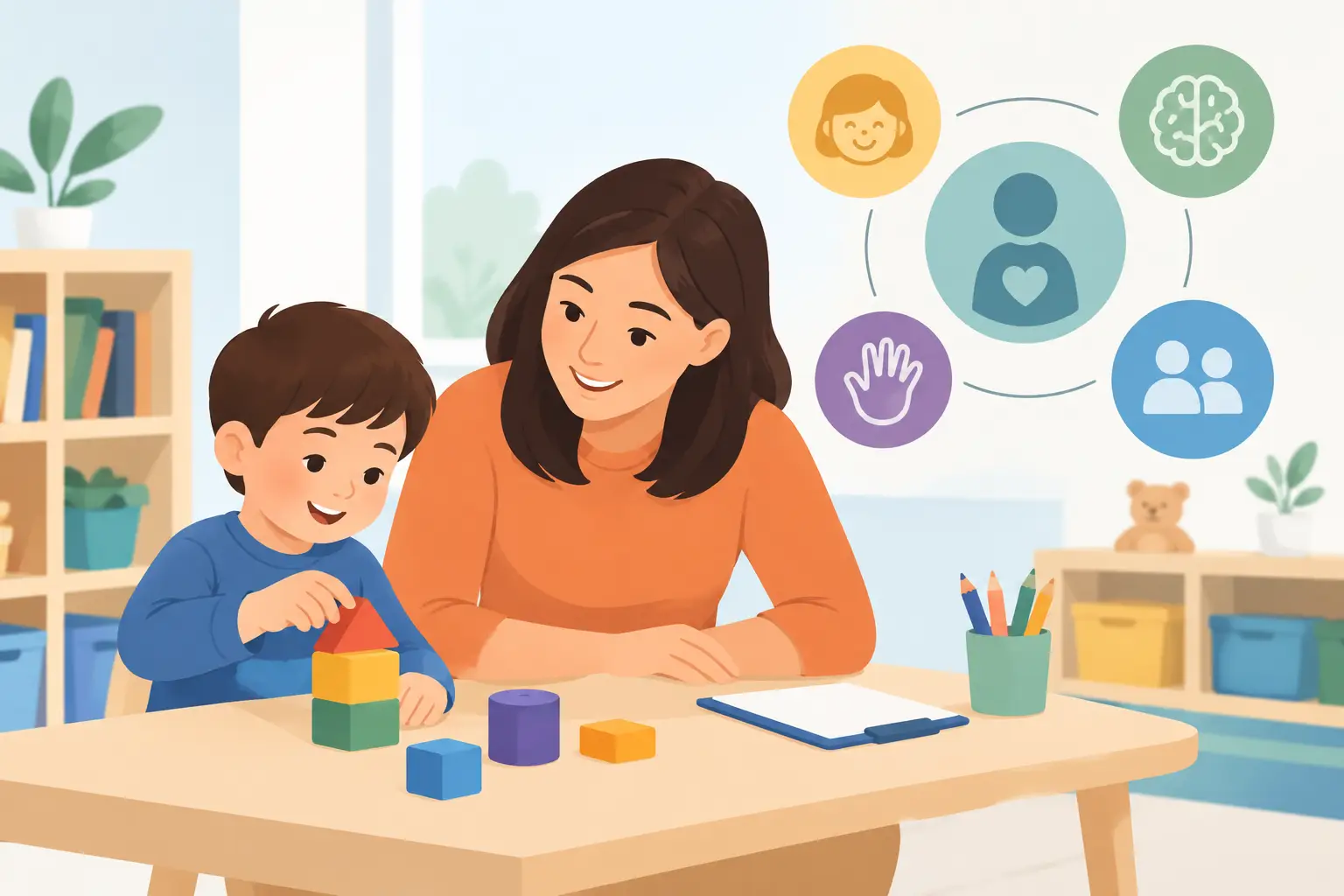
For families, this can bring welcome confidence. Your child is not expected to reach milestones in exactly the same way or at the same time as every other child. Their key person observes what they enjoy, where they may need encouragement and how they are developing, then uses that understanding to plan playful next steps.
A child building a den outdoors may be developing physical coordination, teamwork, imagination and language. Another child pouring water at a sensory table may be strengthening concentration and early maths understanding. High-quality EYFS practice recognises learning in these everyday moments, rather than only during a planned activity.
What makes Montessori learning different?
Montessori is an educational philosophy developed by Dr Maria Montessori. It is best known for encouraging independence, practical skills and self-directed learning within a carefully prepared environment.
In a Montessori setting, children are often offered purposeful, hands-on resources displayed at their level. They may choose an activity, use it independently or with guidance, and return it when they have finished. Materials are designed to help children practise one skill at a time, such as sorting, counting, fastening buttons, pouring or recognising sounds.
The adult’s role is slightly different from the traditional image of a teacher leading the whole group. They observe closely, introduce materials at an appropriate moment and protect children’s concentration, stepping in when support is genuinely useful. Children are encouraged to do as much as they can for themselves, from preparing a snack to caring for their belongings.
This can be particularly appealing for parents who want their child to develop confidence, focus and a sense of responsibility. A calm, orderly room and predictable routines can also help some children feel secure.
EYFS versus Montessori learning: the key difference
The clearest distinction is that EYFS is a legal framework in England, while Montessori is a particular educational approach. They are not direct rivals in the way two separate curriculums might be.
Any nursery in England, including one that describes itself as Montessori, must meet the EYFS requirements. A Montessori nursery will usually use Montessori principles and resources to support EYFS learning and development goals. Equally, an EYFS-based nursery may include many Montessori-inspired opportunities, such as accessible resources, practical life activities and children making meaningful choices.
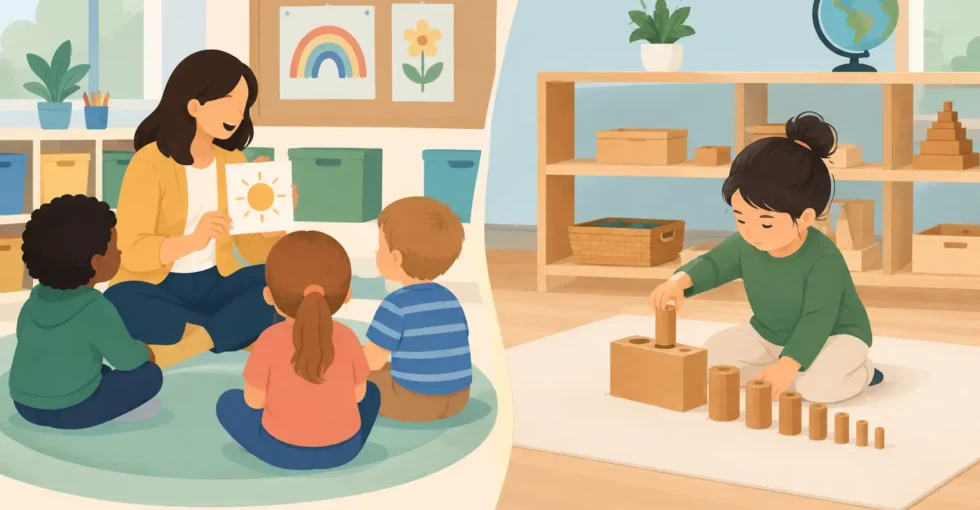
The day-to-day balance is where families may notice a difference. An EYFS-led setting may offer a wider blend of child-initiated play, small-group experiences and adult-guided activities shaped around children’s interests. A more traditional Montessori environment may place stronger emphasis on uninterrupted independent work, specific materials and a highly ordered classroom.
Neither balance is automatically better. A lively, sociable child may love the variety of group storytelling, messy play and outdoor discovery available in an EYFS-led nursery. A child who enjoys repetition and calm concentration may respond particularly well to Montessori materials. Most children, however, benefit from elements of both: the freedom to follow an interest, alongside warm guidance and shared experiences with others.
How each approach supports school readiness
Parents often hear the phrase “school ready”, and it can sound as though children need to be able to write their name or count to 20 before Reception. Those skills can be useful, but true readiness is much broader.
Children need confidence to separate from their grown-up, communicate their needs, listen and take turns, manage simple routines and recover when something feels difficult. They also need curiosity – the willingness to ask questions, try again and join in.
The EYFS supports school readiness by following a child’s development across these interconnected areas. Practitioners can identify where extra support may be helpful, work in partnership with families and build skills naturally through play. This is especially valuable for children who are shy, have additional needs, are learning English alongside another home language, or simply need more time to settle.
Montessori learning supports readiness through independence and concentration. A child who can choose an activity, carry it carefully, complete a task and tidy it away is practising valuable habits for a school day. Practical activities can also strengthen the hand control needed for early writing without turning childhood into a worksheet.
The strongest provision does not rush children into formal learning. It builds the emotional security and practical confidence that allow learning to take root.
What to look for during a nursery visit
A label on the door tells only part of the story. Whether a nursery is EYFS-based, Montessori-inspired or blends several approaches, spend time looking at the relationships in the room.
Are children greeted warmly and comforted sensitively? Do staff get down to their level, listen to what they say and give them time to respond? Are resources within children’s reach, safe and well cared for? Is there space for energetic outdoor play as well as quiet concentration?
Ask how the team plans for individual children and shares progress with parents. A good setting should explain this in plain English, not hide behind educational jargon. You should also be able to understand how your child’s key person will help them settle, how meals and rest are managed, and what happens if they need extra support.
For working families, practical details matter too. Consistent opening hours, clear communication, reliable routines and flexible wraparound care can make the difference between a stressful week and a manageable one. Exceptional childcare supports family life as well as a child’s learning.
Choosing what feels right for your family
There is no need to choose an approach based on what sounds most impressive. Begin with your child: their temperament, current stage and what helps them feel safe. Then consider your family’s needs, including the rhythm of your working day and the kind of partnership you want with your nursery.
Some parents are drawn to the calm purposefulness of Montessori and its focus on independence. Others value an EYFS-led approach that intentionally tracks development, embraces imaginative play and provides a broad range of shared experiences. Many will find that a nurturing nursery using the EYFS well, with carefully planned choices and practical activities, offers the balance they hoped for.
At Dinotots, the aim is not to make children fit a single educational mould. Through a secure key-person relationship, purposeful play and the Brighter Learning Approach, children are supported to feel happy, known and ready to grow at their own pace.
The right nursery should leave you with more than a list of activities. It should give you the quiet reassurance that your child will be safe, understood and encouraged to become more confidently themselves, one ordinary day at a time.