
If you have spent any time searching childcare options, you have probably noticed that nursery versus preschool UK is not always a simple, clear-cut comparison. One setting may call itself a nursery, another a preschool, and a third may offer both under one roof. For parents trying to balance work, routines, funding and their child’s happiness, that can feel more confusing than it should.
The reassuring truth is that the best choice is rarely about the name on the sign. It is about what the setting offers day to day, how your child is cared for, and whether the environment gives your family confidence.
Nursery versus preschool UK – what is the actual difference?
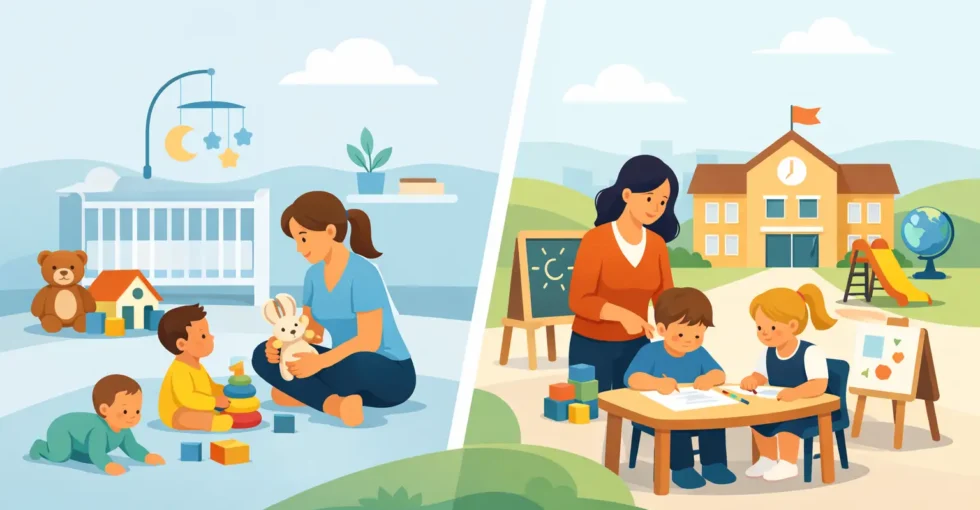
In the UK, a nursery usually describes an early years setting that cares for children from baby or toddler age up to school age. Many nurseries offer full-day childcare, meals, naps, outdoor play and structured learning through the Early Years Foundation Stage, often known as the EYFS. They are commonly designed to support working families who need reliable care across the day, not only during term-time mornings.
A preschool often refers to a setting for children aged around two to four, with a stronger focus on preparing for school. Preschool sessions are often shorter than nursery days and may run term-time only. Some preschools are stand-alone settings, while others are part of a nursery.
That said, these terms are not tightly controlled in everyday use. A nursery may provide an excellent preschool-style programme for older children, and a preschool may offer a warm, play-based environment that feels very similar to a nursery room for three- and four-year-olds. This is why parents often find that the label matters less than the structure behind it.
Age ranges and daily routines
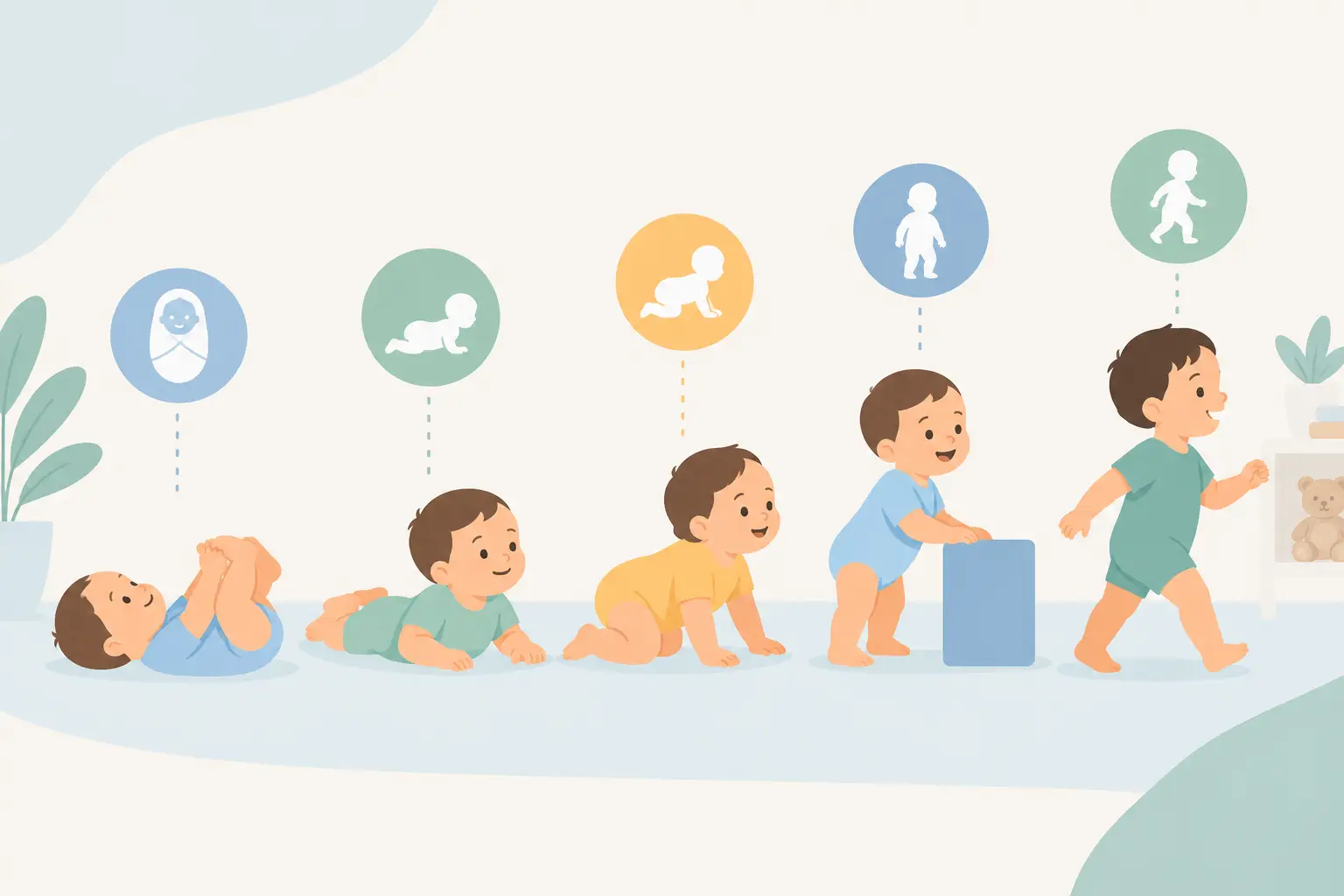
One of the biggest practical differences comes down to age range. Nurseries often care for children from a few months old through to the start of school, with separate baby, toddler and pre-school rooms. This can be especially helpful if you want continuity. Your child can move through age-appropriate spaces while staying in a familiar setting with established routines and trusted adults.
Preschools usually serve older toddlers and children in the year or two before Reception. Because of that, the day may be more focused on group activities, early independence, communication, mark making, counting, stories and social confidence.
For some families, that preschool rhythm feels exactly right. If your child is older, settled, and only needs shorter sessions, a preschool can be a very good fit. For others, especially those managing full working days, wraparound hours and year-round care are just as important as educational content. In that case, a nursery may be more practical without giving up any developmental benefits.
Learning in nursery and preschool settings
A common worry is whether nursery is more about childcare and preschool is more about learning. In strong early years settings, that distinction is usually too simplistic.
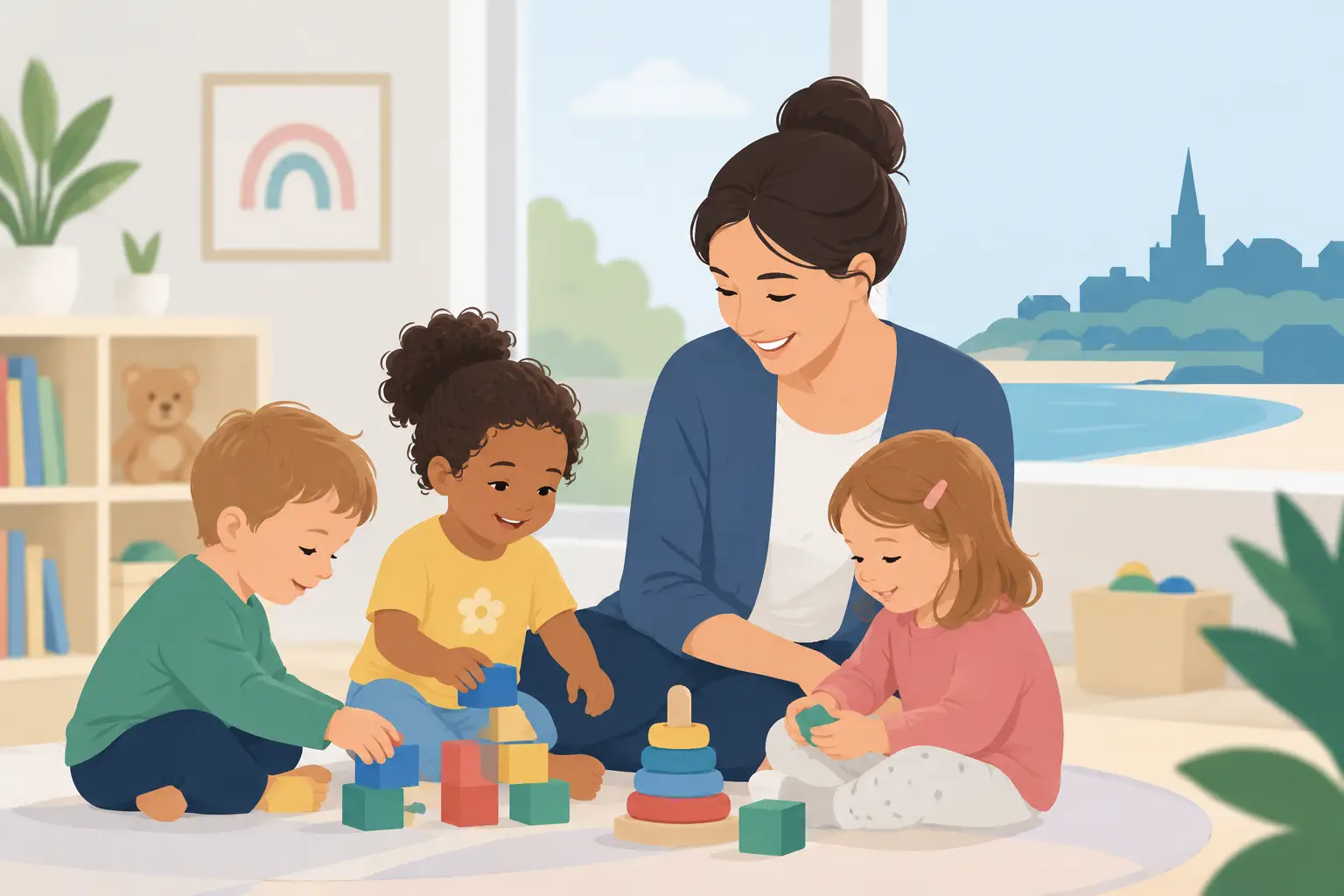
Both nurseries and preschools in the UK should support children’s learning and development through the EYFS. That means children learn through play, relationships, routines, conversation, movement, creativity and exploration. They are not expected to sit at desks or do formal lessons for long periods. Good early education looks warm, active and purposeful.
What can differ is the balance. A nursery may blend care and learning across a full day, including meals, sleep, personal care and play. A preschool may place more emphasis on activities that support school readiness because the children are closer to starting Reception. That can include listening in groups, following simple instructions, taking turns, managing coats and shoes, recognising names, and building confidence away from home.
The strongest settings do not rush children. They prepare them steadily, with kindness and consistency, so school feels like a natural next step rather than a sudden jump.
Nursery versus preschool UK funding and costs
For many parents, cost is not a side issue. It is central to the decision.
Both nurseries and preschools may offer funded places, depending on the child’s age and your family circumstances. In England, funded childcare for eligible two-year-olds and the universal and extended entitlements for three- and four-year-olds can often be used in either type of setting, as long as the provider is registered to deliver those places.
Where families sometimes get caught out is with session times and extras. A preschool may offer funded hours across shorter sessions, which works well if you only need part-time provision. A nursery may also offer funded hours, but with the option to add longer days, meals or extra childcare around those hours. That flexibility can be valuable, but it may also affect the total monthly cost.
It is always worth asking exactly what is included. A lower headline price is not always the simpler or better option if it does not match your working pattern or if you need to piece together additional care elsewhere.
What matters more than the label
When parents compare nursery and preschool, they often start with terminology. Once they begin visiting settings, their priorities usually shift.
The questions that matter most are more personal. Does your child seem at ease there? Do the staff know how to comfort, encourage and engage children? Is the day organised but still warm? Are parents kept informed? Does the setting feel safe, calm and genuinely child-centred?
A caring team with strong routines and clear communication can make an enormous difference, especially in the early weeks. Young children do not separate from parents because of branding. They settle because they feel secure, seen and understood.
This is why many families look for a setting that combines nurturing care with purposeful early education. They want the emotional reassurance that their child is happy, alongside the practical confidence that development is being supported every day.
How to choose between a nursery and a preschool
The best decision usually depends on your child and your family’s routine rather than on which option sounds more academic.
If you need longer opening hours, all-year provision, care for younger siblings, meals, naps and a setting that supports the whole working day, nursery may suit you better. It can offer continuity and convenience at a stage of life when both are worth a great deal.
If your child is approaching school age, thrives in shorter sessions and you only need term-time provision, a preschool could be ideal. Some children flourish in a slightly more focused pre-school environment once they are ready for that step.
It also depends on temperament. A confident, sociable child may enjoy a busy sessional setting quite quickly. A child who takes longer to warm up may benefit from a gentler transition, familiar carers and a setting that can build up time gradually.
During visits, notice the small things. Look at how staff speak to children. See whether children are busy and content rather than simply kept occupied. Ask how transitions are handled, how key carers work, and what happens if your child is unsettled. Those answers often tell you more than brochures ever could.
Questions parents should ask on a visit
It helps to go beyond, “Do you offer school readiness?” Nearly every setting will say yes. The more useful question is how.
Ask what a typical day looks like, how children’s interests are followed, and how staff support communication, friendships and independence. Ask how naps, toileting, meals and outdoor play are managed. If you are using funded hours, ask exactly how they are delivered and whether there are additional charges.
You can also ask how the team works with parents. Regular updates, honest communication and a genuine partnership with families matter far more than glossy promises. A good setting should make you feel informed, not brushed aside.
There is no one-size-fits-all answer
When people search nursery versus preschool UK, they are often hoping for a simple rule. Nursery for this age, preschool for that age, problem solved. Real family life is rarely that tidy.
Some children do wonderfully in a nursery right up until school because they benefit from continuity, full-day structure and close relationships with staff. Others are ready for a preschool model that gives them shorter, focused sessions with a strong group routine. Neither path is automatically better.
What matters is finding a place where your child feels safe enough to explore, cared for enough to settle, and encouraged enough to grow. If a setting can offer that while also fitting the practical shape of your family life, you are not choosing by label. You are choosing with confidence.
And that is usually when the right place starts to feel obvious – not perfect on paper, but right for your child.