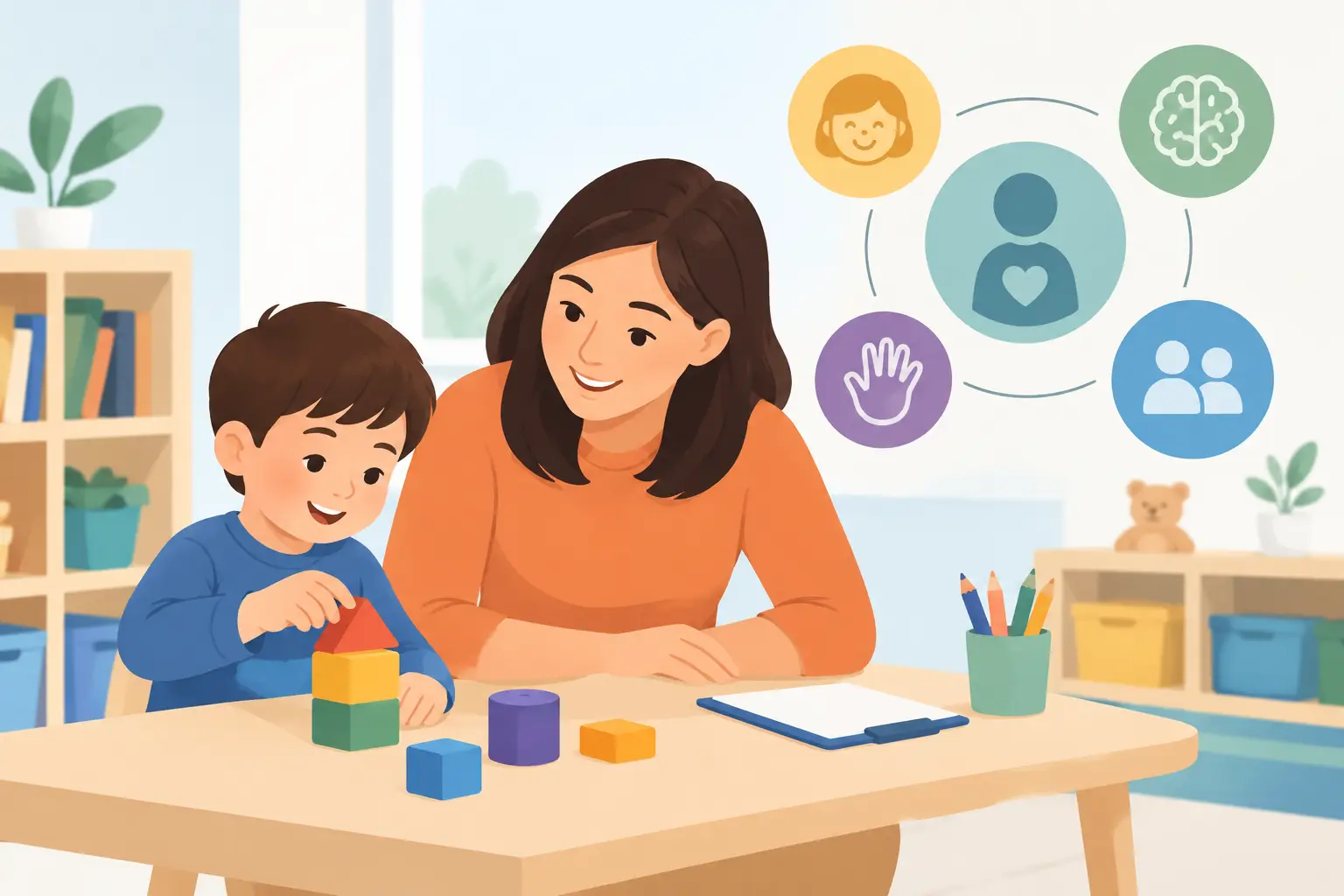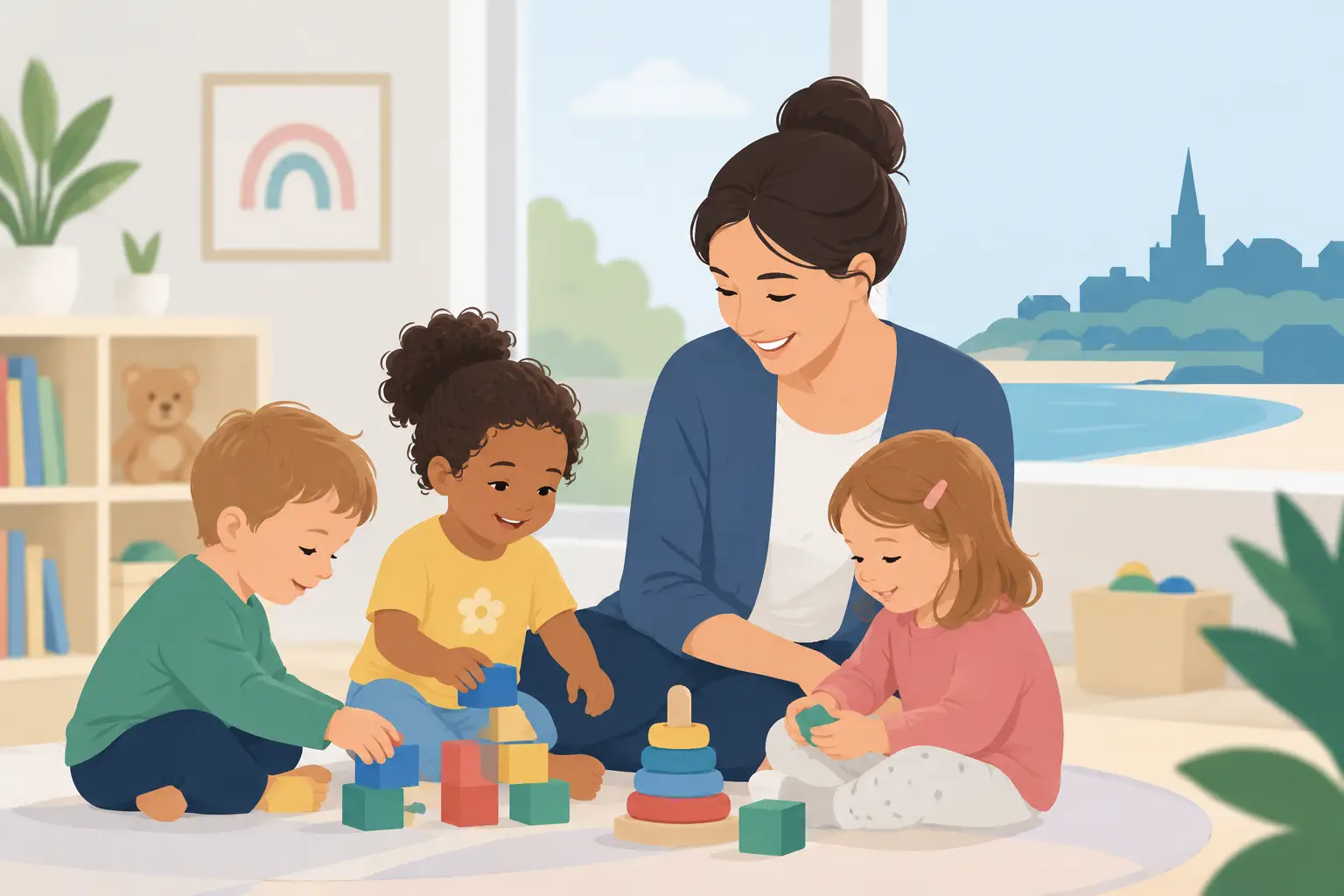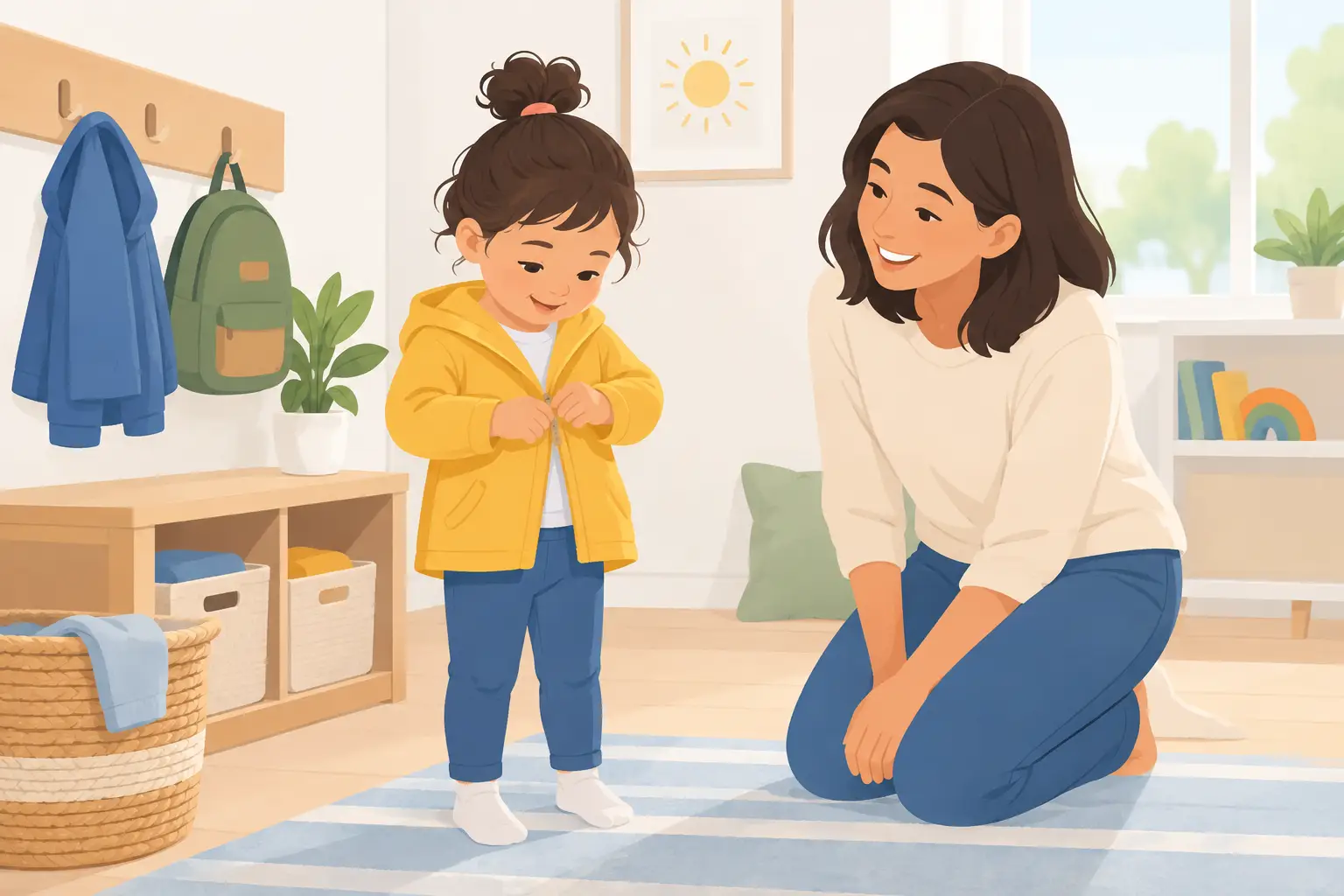

A nursery can look warm, cheerful and well organised from the outside, but for most parents the real question sits underneath all of that – will my child be safe, known and cared for properly here? That is where safeguarding in early years matters most. It is not a single policy in a folder or a checkbox on an inspection form. It is the daily practice of protecting children from harm, noticing when something is not right, and creating an environment where children feel secure enough to learn, play and grow.
For babies, toddlers and young children, safety is never just physical. A child who is frightened, overlooked or unsettled may not have the words to explain what they need. Early years settings therefore carry a special responsibility. Staff must notice the small things, respond calmly and work closely with families, while also following clear legal and professional duties.
What safeguarding in early years really means
Safeguarding in early years covers the action taken to protect children’s health, wellbeing and right to grow up safely. That includes preventing accidents, but it goes much further than locked doors and signed registers. It also means recognising signs of neglect or abuse, supporting children’s emotional security, ensuring safe recruitment, maintaining appropriate staff training, and knowing what to do when concerns arise.
In practice, good safeguarding is both visible and quiet. Parents can see some parts easily, such as secure entry systems, careful handovers and staff who know the children well. Other parts sit behind the scenes, including safer recruitment checks, detailed risk assessments, whistleblowing procedures and designated safeguarding leads who know how to respond to concerns.
This is one area where reassurance and professionalism must sit side by side. Families should feel warmth, but they should also see standards.
Why it matters so much in the early years
The early years are a time of rapid development. Children are building confidence, language, attachment and their understanding of the world. When they feel safe, they are far more likely to explore, play, form secure relationships and develop independence. When safety or emotional security is shaky, everything else can be affected.
That is why safeguarding is not separate from learning. It supports it. A child who trusts the adults around them is more ready to join in, try new things and settle into routines. Emotional wellbeing, physical safety and development are closely linked.
There is also a practical reality for families. Many parents are balancing work, school runs and busy home lives. They need more than kind intentions. They need confidence that the setting is alert, consistent and able to respond well if something unexpected happens. Peace of mind is not a luxury in childcare. It is the foundation of the relationship.
The signs of strong safeguarding practice
Parents are not expected to inspect a nursery like a regulator, but there are clear signs that safeguarding is taken seriously.
One of the strongest is consistency. Children are greeted properly, routines are followed, and staff know who is collecting each child. There is a sense that everyone understands their role. Good safeguarding rarely feels chaotic.
Communication matters too. Parents should know how concerns are handled, how accidents or incidents are recorded, what the setting’s illness procedures are, and who to speak to if they are worried about anything at all. Clear communication does not create alarm. It builds trust.
Staff relationships with children are another important clue. In safe early years environments, adults are attentive without being overbearing. They notice changes in behaviour, comfort children sensitively and encourage independence in age-appropriate ways. A key person system often plays a big part here because children thrive when they have a familiar adult who understands their routines, preferences and emotional cues.
Safer recruitment and training matter more than parents often see
Much of safeguarding happens before a child even starts. Settings should have safer recruitment procedures in place, including the right checks, careful interviewing and clear expectations about professional conduct. A warm nursery culture is valuable, but it must be backed by proper processes.
Training is just as important. Staff need to understand how to recognise concerns, how to record them, when to escalate, and how to work within confidentiality rules. This is not static knowledge. Guidance changes, children’s needs differ, and regular refreshers help teams stay alert and confident.
There is a balance to strike here. Policies alone do not keep children safe, and neither does instinct on its own. Strong settings combine both – knowledgeable staff, clear procedures and a culture where people speak up quickly if something feels wrong.
Emotional safety is part of safeguarding too
When people hear the word safeguarding, they often think first about serious risks, and of course those matter enormously. But emotional safety deserves just as much attention in early childhood.
Young children need predictable routines, kind boundaries and adults who respond with patience. They also need to feel listened to, even when they cannot fully explain themselves. A child who is always dismissed as difficult or shy may not get the support they need. A child who is encouraged, understood and gently guided is more likely to feel secure.
This is why the best early years settings think carefully about transitions, settling-in periods and attachment. Starting nursery, moving rooms or adjusting to new routines can be a big change for a small child. Safeguarding includes helping children through those moments with sensitivity.
At Dinotots, that belief sits close to the heart of good childcare – children need to feel happy and safe before anything else can flourish.
Working in partnership with parents and carers
Safeguarding works best when settings and families see each other as partners. Parents know their child in a way no one else does. Staff, in turn, may notice patterns or behaviours that show up in a group setting. When both sides communicate openly, concerns can be picked up earlier and support can be more joined up.
That said, partnership does not always mean easy conversations. Sometimes staff need to raise worries that are sensitive. Sometimes parents need reassurance that a safeguarding procedure is about protecting children, not judging families. Good settings manage this with empathy and clarity.
It also helps when expectations are shared from the start. Collection arrangements, medication procedures, reporting absences, online safety, allergies and changing family circumstances all affect safeguarding in different ways. The more clearly these are discussed, the more secure the child’s day tends to be.
What parents should ask a nursery
If you are visiting a setting, it is perfectly reasonable to ask how safeguarding is managed. You do not need specialist language. Simple, direct questions often tell you a great deal.
You might ask who the designated safeguarding lead is, how staff are trained, how children are signed in and out, or how concerns are shared with families. It is also worth asking how the setting supports children emotionally, especially during settling-in periods or times of change.
The answers should feel clear rather than defensive. No nursery can promise that children will never trip, cry or have a difficult day. Early childhood is lively and unpredictable. What they should be able to show is that risks are anticipated, responses are thoughtful, and children’s wellbeing is taken seriously from every angle.
Safeguarding is not about fear
There is an understandable temptation to think of safeguarding only in terms of worst-case scenarios. In reality, the strongest safeguarding culture is not built on fear. It is built on vigilance, care and everyday professionalism.
Children benefit when adults are attentive but calm, protective but encouraging. Families benefit when they feel informed rather than overwhelmed. And nurseries do their best work when safeguarding is woven into everything – from staffing and routines to room layouts, behaviour support and parent communication.
That is why safeguarding in early years should never be treated as a hidden back-office function. For families, it shapes trust. For children, it shapes confidence. For early years settings, it is part of the promise they make every day: your child will be cared for with warmth, watched over with care, and supported with the seriousness they deserve.
When you walk into a setting and feel that combination of calm, kindness and clear standards, you are usually seeing safeguarding at work in the way it should be – quietly, consistently and always with the child at the centre.