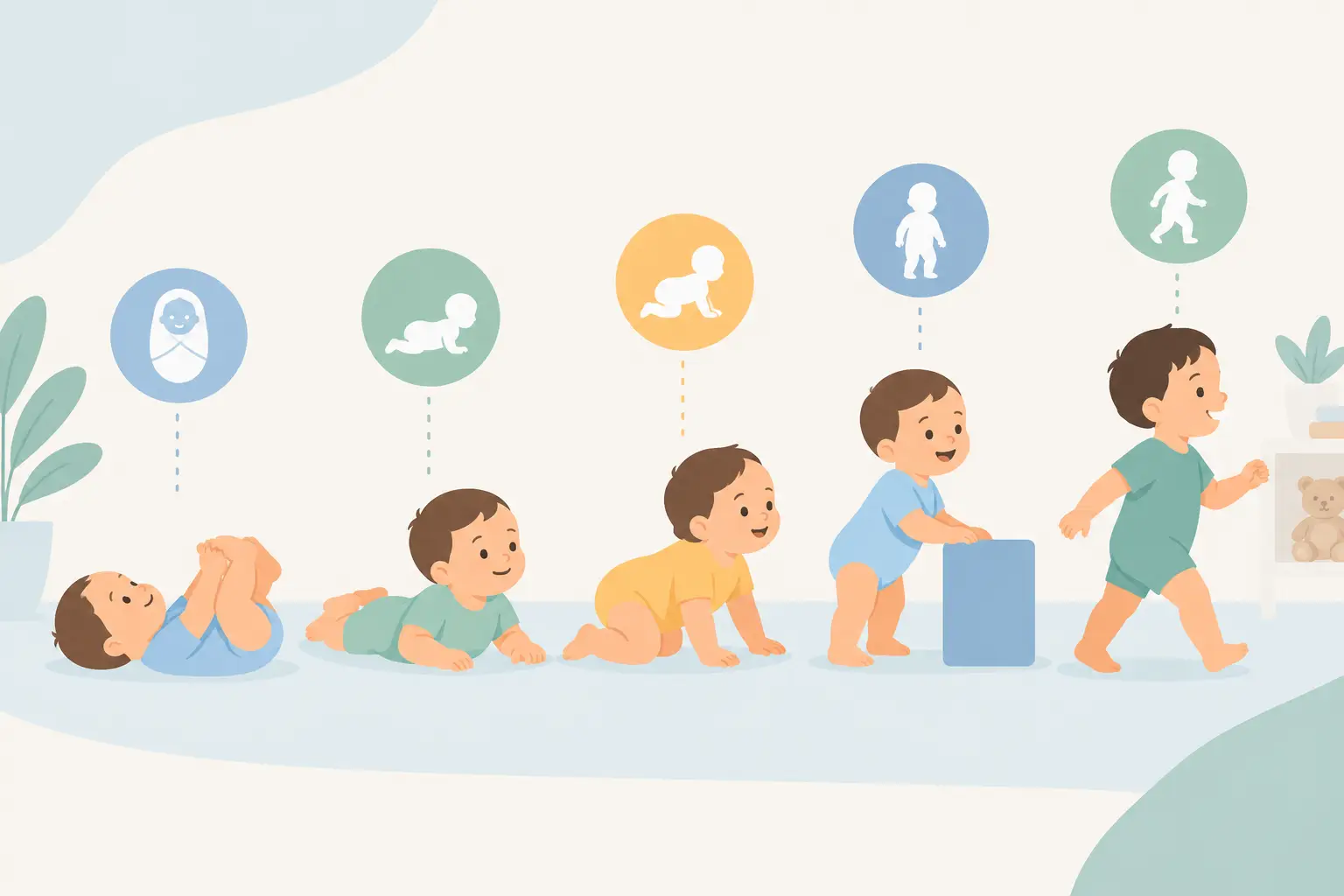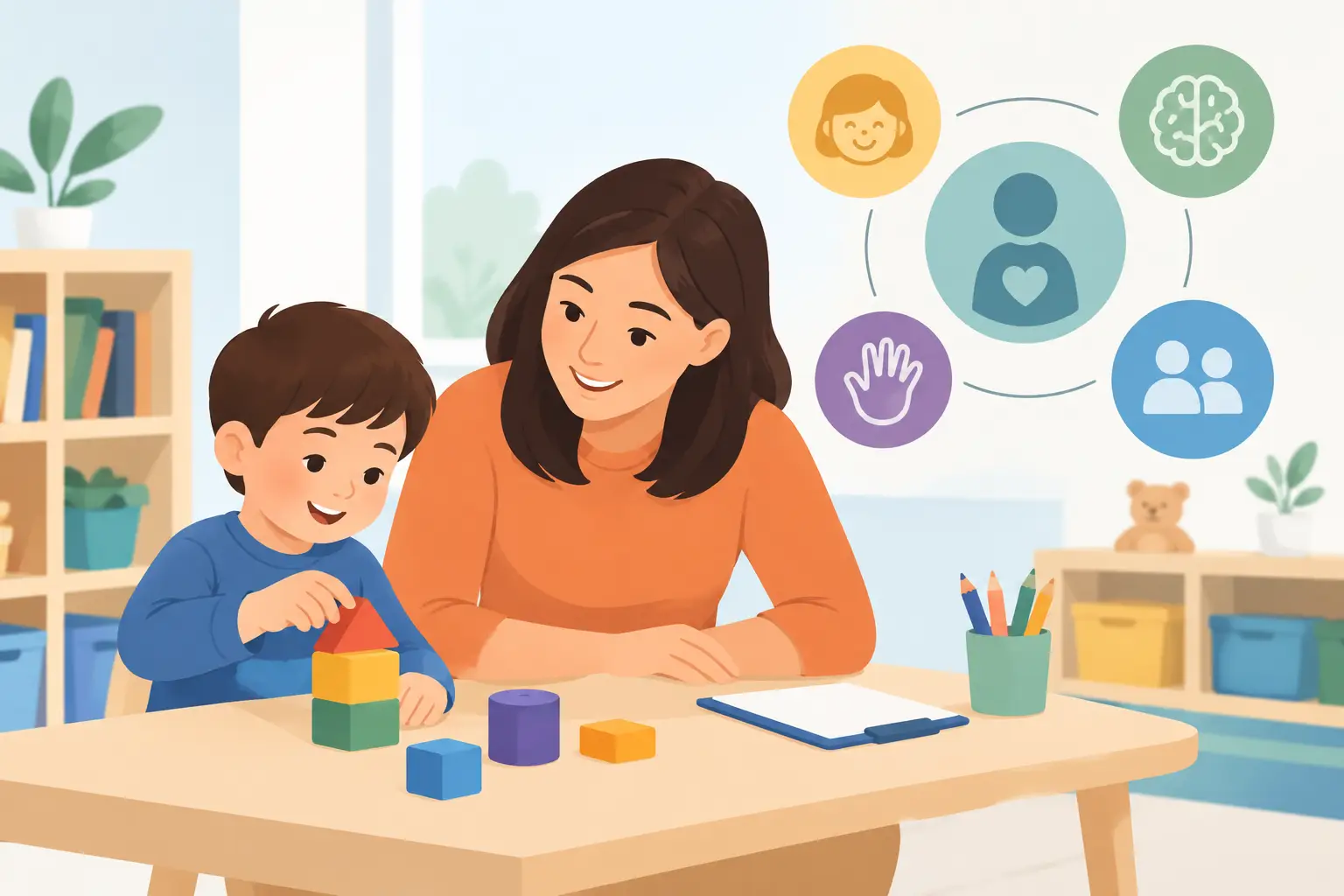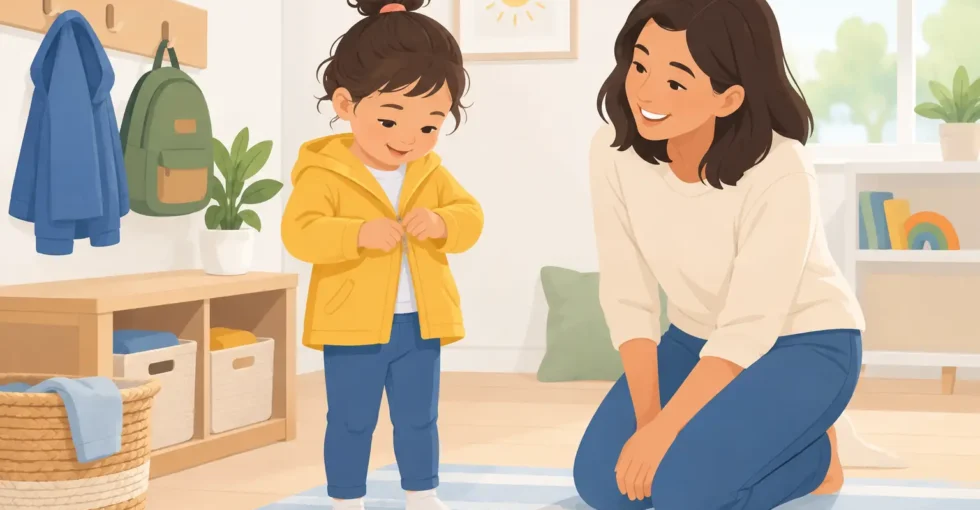

The coat is on the floor, the zip will not quite meet, and you are already thinking about the time. It can be tempting to step in straight away. Yet these ordinary moments are exactly where children learn, little by little, that they can manage. Knowing how to support preschool independence is not about expecting a young child to do everything alone. It is about giving them safe, achievable chances to try, with a caring adult nearby.
Independence in the preschool years builds confidence, resilience and a sense of belonging. It also makes everyday nursery routines feel more familiar, from putting away a bag to washing hands before lunch. The aim is not perfection, speed or a perfectly tidy home. The aim is a child who feels secure enough to say, ‘I’ll have a go.’
Start with connection, then step back
Children are more likely to attempt something new when they feel emotionally safe. A warm welcome in the morning, a predictable goodbye and calm encouragement after a wobble all create the security that makes independence possible.
This can feel counterintuitive. Independence does not grow from leaving children to struggle. It grows when they know help is available if they genuinely need it. Try staying close while using simple phrases such as, ‘You’re working that out,’ or ‘Would you like me to hold the shoe while you push your foot in?’ This offers support without taking over.
If your child is tired, hungry, unwell or adjusting to a new routine, they may need more help than usual. That is not a step backwards. Preschool children’s confidence often develops in bursts, and they need reassurance alongside responsibility.
Create routines children can join in with
Young children thrive when they know what happens next. A reliable routine reduces the number of instructions they need to hold in mind and gives them meaningful jobs within the day.
At home, start with one or two moments that happen every day. Your child might put their shoes by the door, place their dirty clothes in the basket, carry their cup to the kitchen, or choose a book for bedtime. At nursery, familiar routines may include hanging up a coat, finding a named peg, helping to tidy an activity and sitting with friends at mealtimes.
Keep instructions short and specific. ‘Put your socks in the laundry basket’ is easier to understand than ‘Go and tidy your room.’ Showing the task once, then allowing time to practise, is often more effective than repeating lots of reminders.
A simple visual routine can help some children, particularly during busy mornings. Pictures of getting dressed, eating breakfast, brushing teeth and putting on shoes make the sequence clear without a parent needing to direct every step. Use it as a friendly prompt, not a test.
Make tasks achievable
A task should stretch a child a little, not overwhelm them. If getting fully dressed feels too hard, begin with pulling up trousers or choosing between two tops. If they cannot manage a whole zip, let them push the zip together while you start it.
Preparation matters. Put everyday items where your child can reach them safely, such as a low hook for their coat, a small stool at the sink and a child-sized jug for pouring water. These small adjustments communicate a powerful message: this space includes you, and you are trusted to take part.
Offer choices without handing over the whole day
Choices help preschoolers practise decision-making and feel respected. Too many choices, however, can be frustrating. ‘What do you want to wear?’ may feel enormous when a child is still learning what is suitable for a chilly morning.
Offer two sensible options instead: ‘Would you like the red jumper or the blue one?’ ‘Shall we walk to the bathroom like a dinosaur or tiptoe like a mouse?’ This gives your child a genuine say while keeping the routine moving.
Some boundaries are not open for negotiation. Wearing a coat in cold weather, holding an adult’s hand near traffic and brushing teeth are family safety expectations. You can still offer control within the boundary: ‘It is time for your coat. Would you like to put it on yourself, or would you like me to help with the sleeves?’
Let play do some of the teaching
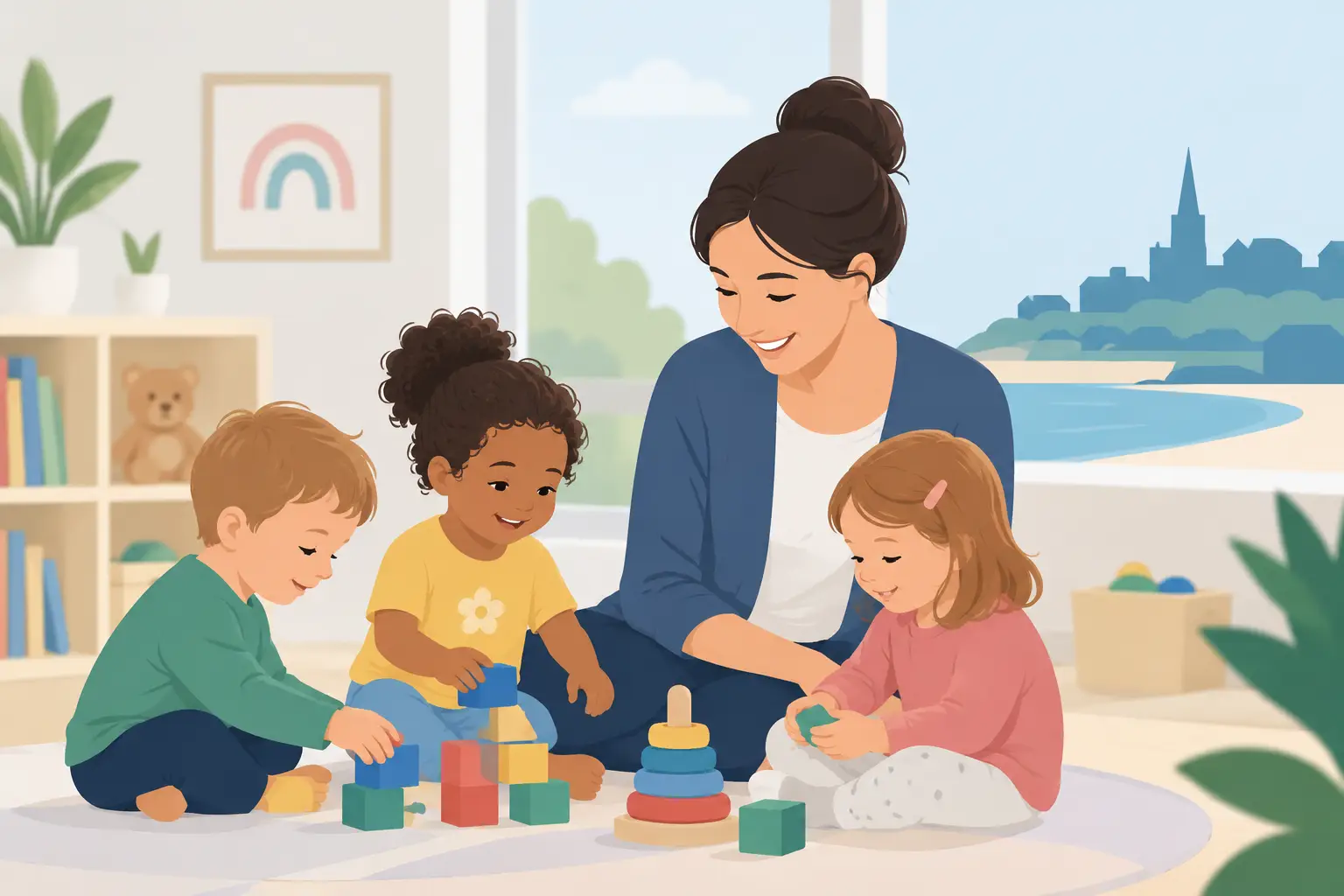
Play is one of the most natural ways for preschool children to practise independent thinking. Pouring, sorting, building, dressing dolls, making a pretend meal and caring for toy animals all develop skills that transfer into everyday life.
Set out open-ended activities with accessible resources, then resist the urge to show the ‘right’ way. A child making a tower that falls down is learning persistence. A child who spends ten minutes putting toy animals into baskets is developing concentration, language and organisation.
Outdoor play is especially useful for manageable risk-taking. Climbing a low frame, balancing on a log or trying a scooter can build body confidence as well as judgement. Adults should supervise carefully and maintain clear safety boundaries, but children benefit from hearing, ‘Look where your feet are going. What could you try next?’ rather than being lifted past every challenge.
Build independence into self-care
Self-care skills are a central part of school readiness, but they take time. Handwashing, toileting, using cutlery, blowing a nose and putting on outdoor clothes involve many small actions. Children do not master them after being shown once.
Break each skill into manageable parts and celebrate effort. For handwashing, your child may first turn on the tap while you help with soap. Later, they can practise rubbing their hands together, drying them and turning the tap off. Consistent practice is more valuable than occasional pressure to perform.
Mealtimes offer useful opportunities too. Children can help set out napkins, choose between two healthy options, use a spoon to serve soft foods or pour a small amount of water with support. Spills will happen. A calm response, such as ‘Let’s get a cloth and sort it out together,’ teaches capability far better than criticism.
Use words that build confidence
Praise is most helpful when it notices the process rather than simply declaring success. Instead of saying ‘Good girl’ or ‘You’re so clever’, describe what you saw: ‘You kept trying even when the button was tricky,’ or ‘You remembered where your wellies go.’ This helps children connect their effort with progress.
It also helps to avoid rushing in with corrections. If a sock is inside out or blocks are not sorted by colour, ask yourself whether it truly matters. Preschool independence includes having room to do things differently. Save guidance for safety, hygiene and tasks where your child is clearly asking for help.
When frustration arrives, name it with kindness. ‘That is tricky, and you look cross. Shall we take a breath, then try one more time?’ Children learn that needing a pause is part of learning, not a reason to give up.
Work with your nursery team
Children often show different levels of independence at home and in nursery. Some happily tidy away with friends but want help with every coat at home. Others are confident with familiar family routines but take time to join in at a new setting. Both responses are normal.
A strong partnership with your child’s key carer can make a real difference. Share what your child is practising at home and ask which skills they are currently developing in the nursery room. Using similar language and giving your child the same small responsibilities across both environments creates reassuring consistency.
At Dinotots, children are supported by caring practitioners who understand that confidence grows through secure relationships, carefully planned routines and plenty of praise for effort. The best early years environments give children freedom to explore while keeping their wellbeing, safety and happiness at the heart of every day.
When to give more support
Independence should never become a source of shame or pressure. If your child regularly becomes very distressed by everyday tasks, avoids using one side of their body, seems unable to manage skills they previously enjoyed, or you have concerns about their hearing, speech or development, speak with their nursery team, health visitor or GP. Early conversations can bring helpful reassurance and the right support.
For most families, progress will look wonderfully uneven. One day your child will insist on buttering their own toast; the next, they may want to be carried to the car. Meet both moments with patience. Every chance to try, every calm ‘I’m here if you need me’, and every small responsibility is helping them grow into a capable, confident child.