
When you hear about EYFS updates, it is natural to wonder whether your child’s nursery day is about to change. For most families, the reassuring answer is that the things that matter most remain the same: a warm welcome, a trusted key person, safe care, purposeful play and clear communication with you. Updates are there to strengthen standards, not to turn early childhood into a classroom.
The Early Years Foundation Stage, usually shortened to EYFS, is the statutory framework for registered early years providers in England. It sets the expectations for children’s learning, development, welfare and safety from birth to the end of Reception. A thoughtful nursery uses the framework as a foundation for happy, responsive care – while recognising that every child develops in their own time.
Why EYFS updates matter to families
A framework can sound like something that happens behind the scenes, but it shapes many moments in your child’s day. It influences how staff observe development, support language, plan activities, manage mealtimes and naps, respond to additional needs, and keep children safe.
For parents, the real value is consistency. Whether your child is settling into baby room, building friendships with toddlers or preparing for school, you should be able to expect high standards of safeguarding and care alongside learning that feels playful, meaningful and age-appropriate.
Recent changes and clarifications to the EYFS have placed particular focus on safeguarding practice, staff knowledge and children’s wellbeing. This reflects what families rightly expect: childcare should feel loving and joyful, but it must also be carefully organised, professionally led and ready to respond when a child needs support.
EYFS updates and safeguarding in nursery
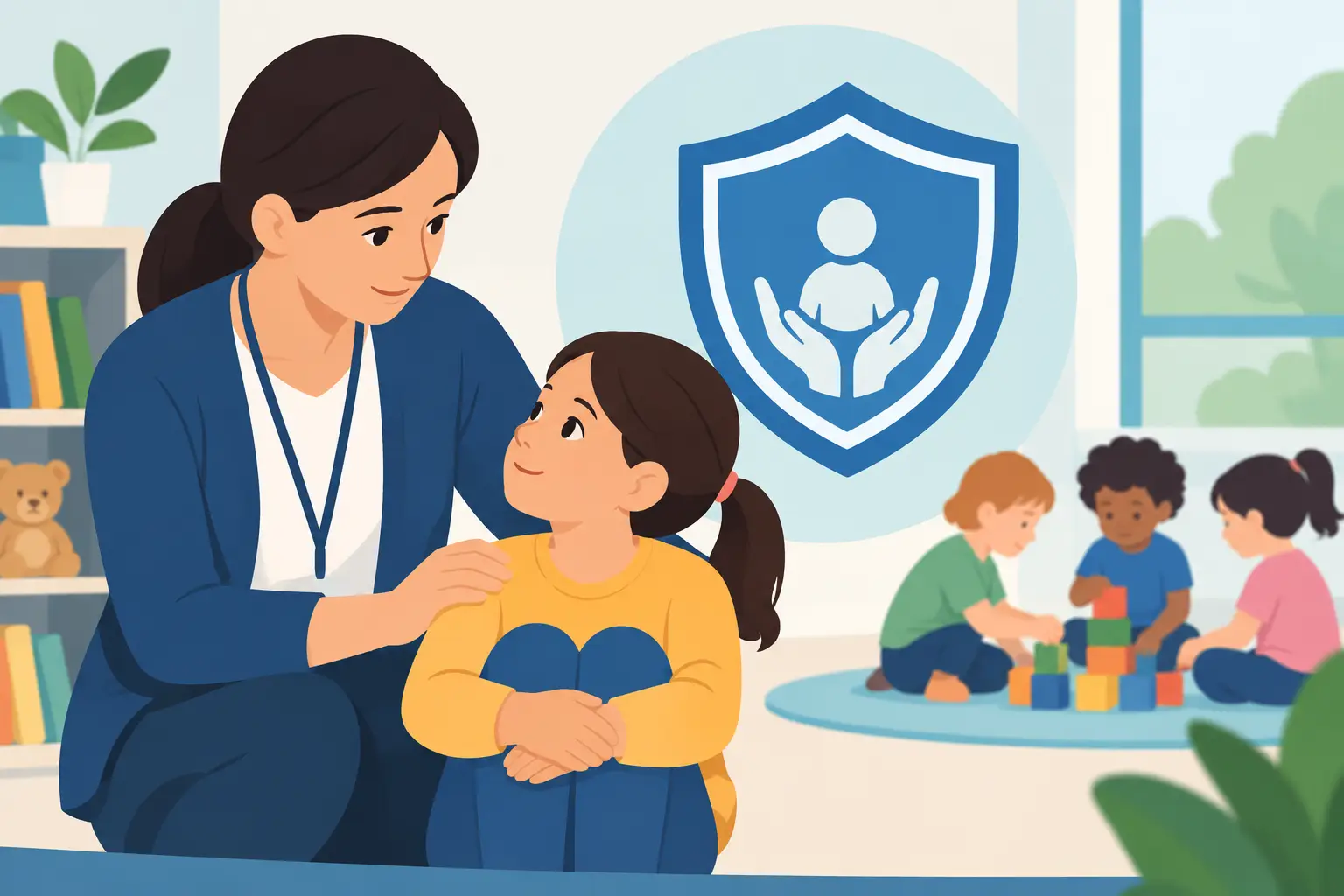
Safeguarding is not a separate task that happens only when there is a concern. It is woven into everyday routines. It is the way staff greet a child who seems unusually quiet, check that the right adult collects them, supervise outdoor play, support safe sleep, and speak up promptly if something does not feel right.
The EYFS updates reinforce the need for clear safeguarding policies, safer recruitment and appropriate checks, up-to-date training, and a culture in which staff know how to report and escalate concerns. Providers must also ensure that children are cared for by suitable adults with the right first-aid and safeguarding knowledge for their roles.
For parents, this should mean confidence rather than worry. You should feel comfortable asking how a setting manages arrivals and collections, medicines, accidents, allergies, intimate care and staff absence. A dependable nursery will welcome these conversations and explain its procedures in plain English.
Safe routines still need to feel gentle
Children do not experience safeguarding as a policy document. They experience it through calm, familiar routines and adults who know them well. A key person who notices a change in appetite, confidence or behaviour can offer reassurance early and share appropriate observations with parents.
This is one reason continuity of care matters. Staff ratios, qualifications and checks are essential, but relationships matter too. When a child feels secure with the adults around them, they are more likely to explore, communicate their needs and enjoy learning.
Learning through play remains at the heart of the EYFS
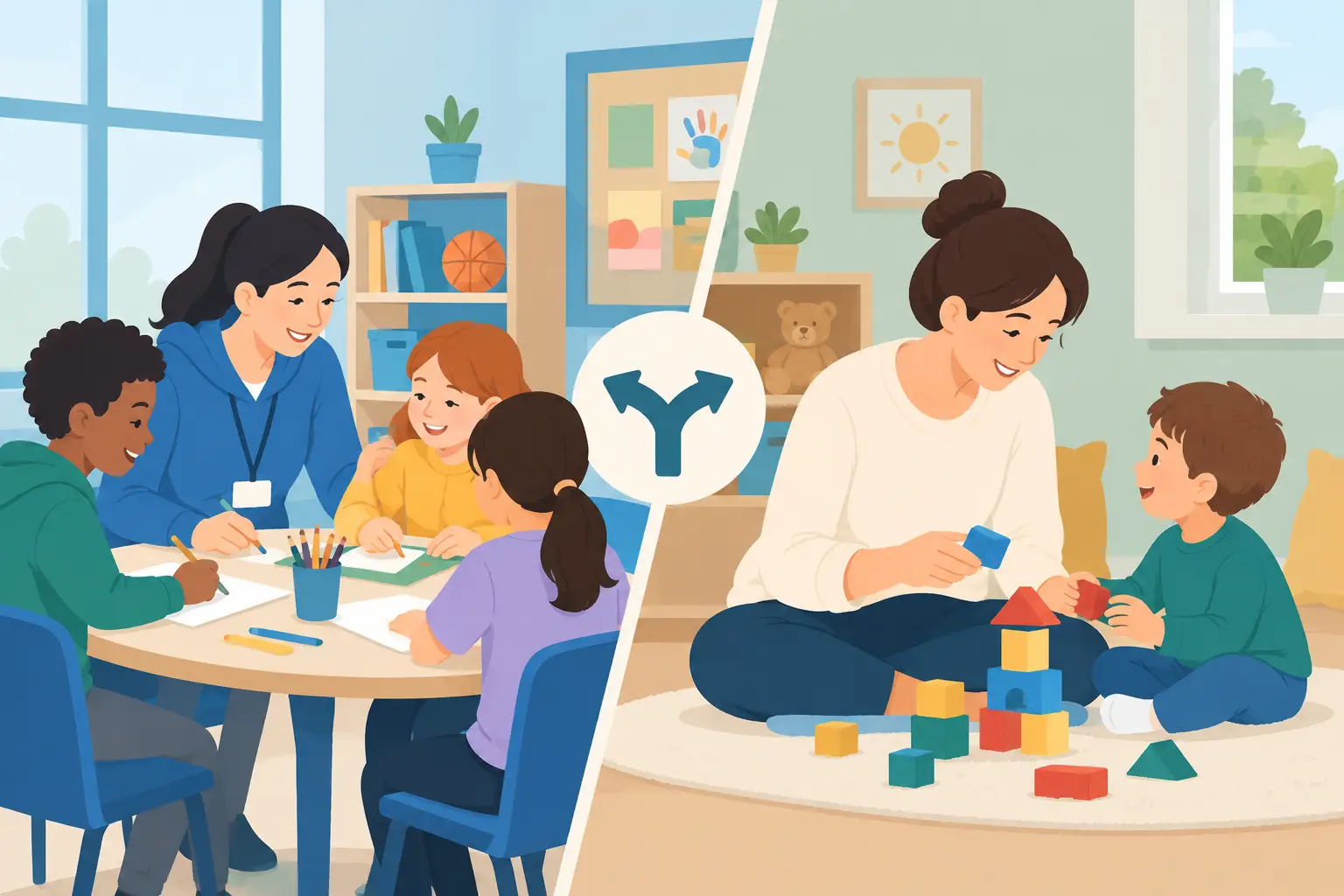
One common concern is that EYFS changes might mean more worksheets, pressure or formal teaching for very young children. High-quality early education is not about rushing childhood. It is about using everyday play and routines to build the foundations children need.
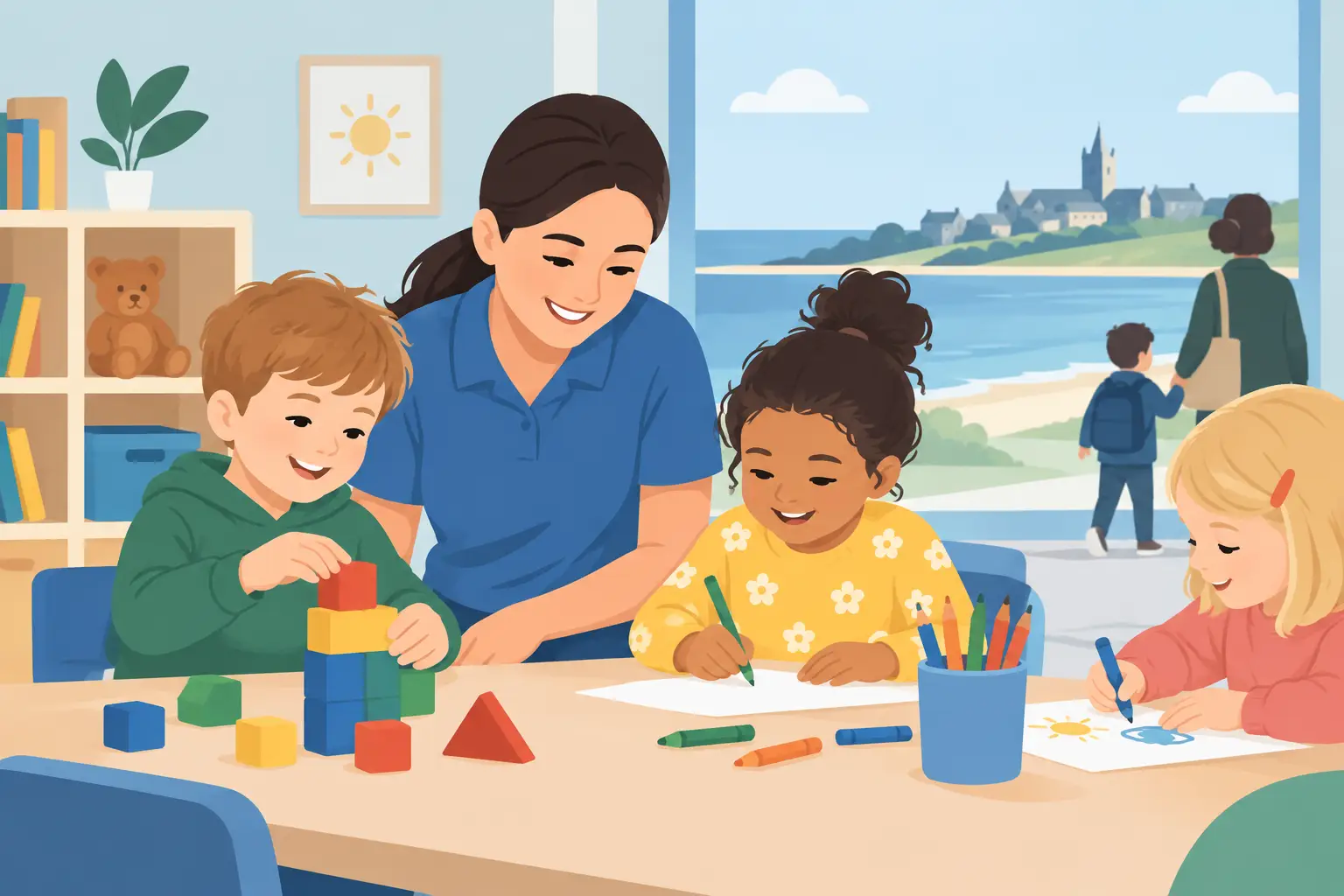
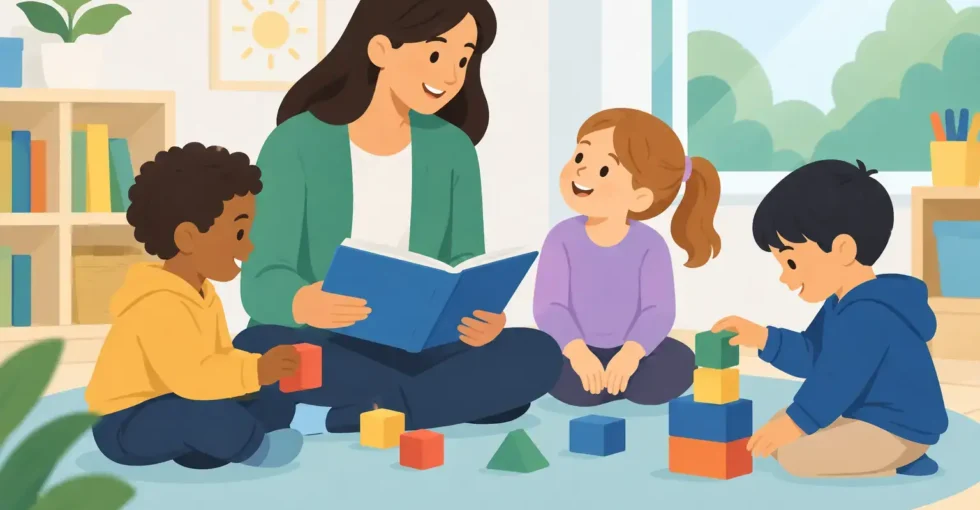
A child pouring water at a play tray is developing coordination and early mathematical thinking. A group story supports listening, language and imagination. Taking turns with a favourite vehicle helps children practise patience, friendship and emotional regulation. These experiences may look simple, but skilled practitioners know how to extend them with the right question, resource or encouragement.
The EYFS areas of learning continue to help practitioners see the whole child. Communication and language, physical development, and personal, social and emotional development are especially important in the earliest years. As children grow, literacy, mathematics, understanding the world, and expressive arts and design are supported through rich experiences rather than a one-size-fits-all timetable.
What school readiness really looks like
School readiness is sometimes misunderstood as being able to read, write or sit still for long periods before starting Reception. Those skills will develop over time, but a confident start at school is broader than that.
A school-ready child is increasingly able to separate from a parent with reassurance, communicate a need, listen to a short instruction, manage small routines and enjoy being alongside other children. They are curious, resilient and willing to have a go. A nurturing early years setting helps build these qualities without taking away the fun, wonder and movement children need.
It depends on the child, of course. Some children arrive chatty and socially confident but need support with independence. Others may be deeply absorbed in play yet take longer to speak in a group. Good EYFS practice responds to the child in front of it, rather than measuring every child against the same timetable.
Observation, assessment and parent partnership
EYFS assessment should help adults understand what a child knows, enjoys and may need next. It should not result in a constant stream of paperwork that distracts staff from spending time with children.
The most useful updates from nursery are often the most meaningful: your child chose to join a new activity, used a new word, showed kindness to a friend or persevered with a tricky task. These small moments give you a real picture of how they are settling, growing and feeling.
Parents remain a child’s first and most enduring educators. A strong nursery partnership makes space for what you see at home too. Perhaps your child has begun dressing themselves, has a new interest in dinosaurs or is finding bedtime difficult after a big family change. Sharing this information helps key carers provide consistent support.
At Dinotots, this partnership is central to the way we care for children. Parents need practical information they can trust, but they also deserve the reassurance of knowing that someone has noticed their child’s smile, friendships and growing confidence during the day.
How to ask the right questions about EYFS changes
You do not need to become an expert in early years legislation to choose childcare with confidence. During a visit or conversation with a provider, focus on what standards look like in practice.
Ask how your child will be helped to settle, who their key person will be and how the setting shares progress with families. Ask how staff support children with allergies, medical needs or additional needs. It is also reasonable to ask about staff training, first aid, outdoor play, sleep routines and how concerns are communicated.
Listen not only for the policy, but for the warmth and clarity of the answer. The best providers can explain their professional responsibilities without making families feel overwhelmed. They should be open about what they do, why they do it and how you can work together.
A calm approach to change
Early years guidance will continue to evolve as research, safeguarding learning and the needs of families develop. That is a positive thing when it results in safer practice and better support for children. Yet the heart of excellent childcare does not change: children need to feel known, safe, valued and encouraged.
If you are comparing settings, look beyond the language of EYFS updates and notice the atmosphere. Are children engaged? Do adults speak kindly and get down to children’s level? Are routines calm, rooms inviting and parents kept informed? Those everyday details are where professional standards become a happy childhood.
The right nursery will give you more than reassurance that it follows the framework. It will give your child a secure place to belong, learn and grow – and give your family confidence as each new stage begins.