
The question usually comes up at 2am, or during a hurried return-to-work conversation: what age can babies start nursery, and how early is too early? For most parents, this is not just about dates on a calendar. It is about trust, routine, finances, and that very real feeling of handing your baby to someone else for the first time.
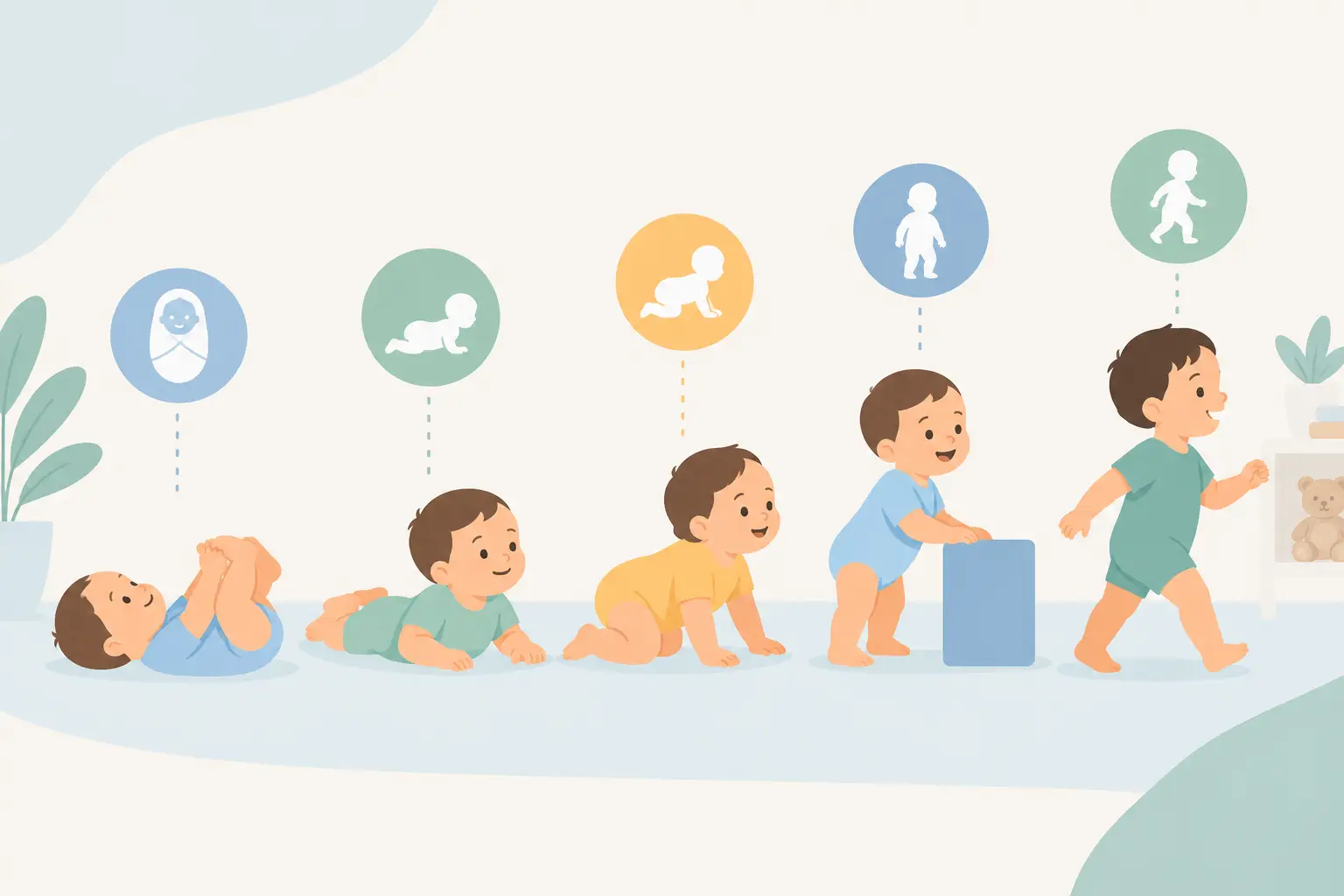
In the UK, babies can often start nursery from as young as 6 weeks old, although many settings begin from around 3 months. The exact minimum age depends on the nursery, its staffing arrangements, and how its baby room is set up. Some families need care very early because maternity or paternity leave is ending. Others prefer to wait until their baby is a little older and has settled into more predictable feeding and sleeping patterns. Both are valid.
What matters most is less about a perfect age and more about whether the nursery is equipped to give your baby warm, consistent, individual care.
What age can babies start nursery?
There is no single legal age that suits every nursery in the same way, but many UK nurseries accept babies from 6 weeks, 3 months, or 6 months. You will usually find the answer in a nursery’s admissions policy, because the youngest age they take depends on practical factors such as staff ratios, room layout, sleeping arrangements, and the experience of the team caring for babies.
For parents, that means the answer is often: earlier than you might think, but only if the setting is properly prepared.
A good baby room should feel calm, safe and responsive. Very young babies need close attention to feeding, nappy changing, sleep routines, soothing, and one-to-one interaction. They also benefit from familiar adults, which is why a dedicated key person matters so much in the earliest months.
Is there a best age to start nursery?
This is where honesty helps. There is no universal “best” age. The right time depends on your baby, your family routine, and the quality of the nursery itself.
Some babies start very young and settle beautifully because the transition is gentle and the care is consistent. Some start later and still need a longer adjustment period because they are naturally more sensitive to change. Age plays a part, but temperament, routine, and the nursery environment often matter just as much.
For example, a baby who is used to being with different trusted adults may adapt more quickly than a baby who has had a very small circle of care. Equally, a nursery with a peaceful baby room, clear communication and familiar carers can make a huge difference, whatever age your child begins.
Parents sometimes worry that starting early will be upsetting for their baby. It is understandable to feel that way. Yet babies are capable of forming secure attachments with parents and trusted nursery carers at the same time, provided their care is responsive and consistent. The aim is never to replace home. It is to create another safe place where your child feels known, comforted and valued.
What to expect if your baby starts nursery young
If your baby starts nursery in the first year, the settling-in process matters enormously. Young babies cannot tell us in words what they need, so nursery staff should be watching closely for cues around hunger, tiredness, overstimulation and comfort.
In a well-run setting, routines are shaped around the baby rather than expecting the baby to fit a rigid group timetable straight away. That might mean bottles at home-style times, naps that reflect your child’s normal pattern, and lots of cuddles, floor play and quiet interaction. As your baby grows, the day usually becomes more structured in a natural way.
You should also expect regular communication. Parents need more than a cheerful handover at the door, especially in the early months. Feeds, naps, nappy changes, mood, and little developmental moments all help build confidence. Good nursery care supports the whole family, not just the child in the room.
Signs your baby may be ready for nursery
Readiness is not about hitting a milestone like sitting up or eating solids before nursery becomes possible. Babies do not need to be independent to attend. Nursery staff are there to meet them where they are.
That said, some signs can make the transition feel smoother. Your baby may be ready if they are beginning to cope with short periods away from you, can be soothed by another trusted adult, and are gradually settling into some kind of feeding and sleeping rhythm. None of these has to be perfect. They simply help create a more predictable start.
Sometimes the parent’s readiness matters just as much. If you have had time to visit settings, ask questions, and feel comfortable with the team, that calm tends to carry into the handover. Babies are very sensitive to the emotional tone around them.
What if your baby does not seem ready?
Some babies need a slower start, and that is completely normal. If your child becomes overwhelmed easily, has had feeding difficulties, or has not spent much time with other carers yet, you may want a more gradual settling plan.
This could mean shorter sessions at first, a phased start over a couple of weeks, or choosing fewer days before building up. It does not mean nursery is the wrong choice. It just means your baby may need a little more time and consistency to feel secure.
A good nursery will not treat this as a problem. They will work in partnership with you, listen to your concerns, and adapt where possible. That balance of nurture and professionalism is often what helps parents feel confident enough to begin.
Questions to ask when choosing a baby nursery
When your child is very young, the small details matter. Ask what age babies can start at that nursery, but do not stop there. Ask who will care for your baby each day, how sleep is managed, how bottles and feeds are handled, and what happens if your child is unsettled.
It is also worth asking how the nursery shares updates with parents, what the settling-in process looks like, and whether routines are flexible for younger babies. A nursery may say it accepts babies from a very young age, but the real question is how thoughtfully it supports them once they arrive.
You can learn a lot just by observing the room. Does it feel peaceful? Are staff on the floor engaging with babies? Do children seem comforted quickly when they are upset? Is the environment clean, organised and emotionally warm rather than simply efficient? Parents often notice more than they think they will.
What age can babies start nursery and get the benefits?
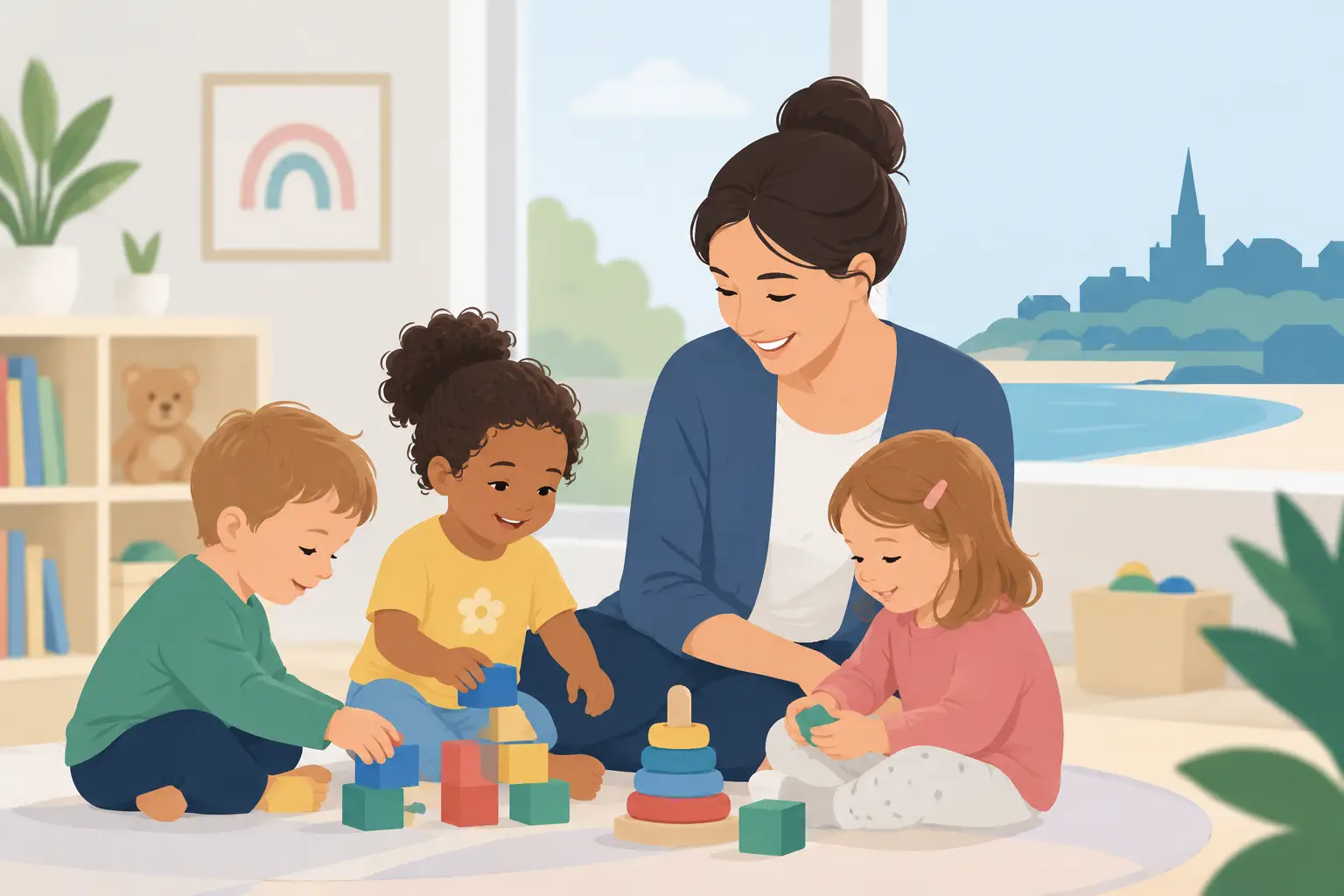
Parents sometimes assume nursery only becomes beneficial once children are toddlers and ready for more obvious learning activities. In reality, babies are learning from the very beginning. Loving interaction, songs, sensory play, movement, stories, and responsive conversation all support early development.
For babies, high-quality nursery is not about formal teaching. It is about secure relationships, language-rich care, and an environment that supports curiosity without overwhelming them. Simple experiences such as tummy time, music, outdoor fresh air, and face-to-face play all matter.
The benefits are strongest when care is consistent. That is why a stable team, thoughtful routines and a genuine partnership with parents are so important. Nursery should feel like an extension of your support system, not a compromise you have to make.
A realistic word on timing, guilt and family life
Many parents ask this question with a layer of guilt underneath it. If my baby starts nursery at 6 months, is that too soon? If I wait until 12 months, have I missed something? The truth is that family life is rarely built around ideal conditions. It is built around work, income, support networks, recovery after birth, and what is sustainable week to week.
Choosing nursery does not mean you are choosing less for your child. In the right setting, you may be choosing security, stimulation, trusted care, and a predictable routine that helps everyone at home feel steadier. That matters.
And if you are not ready yet, that matters too. Some families need childcare early. Others have more flexibility. The goal is not to match someone else’s timeline. It is to find a start point that feels safe, manageable and right for your baby.
At Dinotots, we know this decision carries both practical pressure and a lot of emotion. The best nursery experience gives parents confidence as well as children comfort.
If you are wondering when to begin, start by looking for a setting that treats your baby as an individual from day one. Once you find that, the question is often no longer “Is this too early?” but “Does this feel right for our family?”