
The morning handover can feel surprisingly big. You are trusting another adult with the person you know best, often while balancing work, school runs and a hundred small worries. A good guide to nursery security measures should therefore look beyond locked doors. True security is the quiet confidence that your child is known, protected and comforted throughout their day.
At a well-run nursery, safety is not a single policy kept in a folder. It is part of every routine: who is welcomed through the door, how children move between rooms and outdoor spaces, how staff respond to a concern, and how parents are kept informed. The aim is simple: to create a happy, calm place where children can play, learn and build independence safely.
What nursery security really means
When parents hear “security”, they may picture gates, alarms and CCTV. These can all play a useful role, but physical measures are only one part of the picture. Nursery security also includes safeguarding practice, safe recruitment, clear collection procedures, accurate records and staff who understand each child’s needs.
The best arrangements are strong without feeling intimidating. Young children need an environment that feels warm and familiar, not restrictive. A secure nursery balances sensible boundaries with plenty of opportunities for children to explore, make choices and enjoy the world around them.
Guide to nursery security measures: what to look for
During a visit, notice how the setting manages arrivals and departures. You should not need to feel awkward asking about this. A professional nursery will welcome thoughtful questions because parent partnership is an essential part of keeping children safe.
Controlled access and a watchful welcome
The entrance should be managed so that unauthorised visitors cannot simply walk into children’s areas. This may involve a locked gate or door, an intercom, a reception process, staff supervision, visitor identification or a combination of these measures.
What matters most is that the procedure is followed consistently. A secure entrance is less effective if doors are propped open at busy times or unfamiliar adults are not challenged. Staff should know who is expected, why they are visiting and where they may go while on site.
Visitors, contractors and volunteers should be signed in and supervised as appropriate. Nurseries also need arrangements for emergencies, so that safety does not rely on a door being locked alone. Clear evacuation plans, regular drills and calm, trained adults are just as important.
Safe collection arrangements
Collection time deserves particular attention. Your nursery should have a clear process for recording who is authorised to collect your child. Parents should be able to update these details promptly when family arrangements change.
Many settings use a password system when a different trusted adult is collecting a child. Others use secure digital records alongside agreed identification checks. The exact approach may differ, but staff should never release a child simply because someone knows their name or says they have been sent by a parent.
It is also reasonable to ask how the nursery handles unexpected situations, such as a late collection, a parent who cannot be contacted, or a disagreement about collection arrangements. Sensitive circumstances require discretion, accurate information and a firm focus on the child’s welfare.
Safeguarding is everyone’s responsibility
Safeguarding is the heart of nursery security. It is the practice of protecting children from harm, recognising concerns early and taking the right action when something does not feel right.
Staff should receive regular safeguarding training and know who their designated safeguarding lead is. They need to understand how to record concerns factually, how to report them, and when outside agencies may need to be involved. Parents do not need to know every confidential detail, but a nursery should be able to explain its safeguarding culture and policies in plain English.
Look for a setting where staff speak respectfully about children and families. Safeguarding is not about making assumptions. It is about being observant, professional and prepared to act in a child’s best interests.
Safer recruitment and the right staffing levels
Children are safest with adults who are suitable, trained and properly supported. Before staff begin work, nursery providers should follow safer recruitment practices, including the relevant background checks, references and verification of identity and qualifications where required.
Security also depends on enough adults being present and deployed thoughtfully. Staff ratios matter, but so does how the team works together. A room can meet a ratio on paper while still feeling rushed if staff are not communicating well or if children’s individual routines are not understood.
Ask how key person arrangements work. A dedicated key carer helps a child form a secure relationship with a familiar adult who knows their comfort cues, friendships, interests and developmental next steps. This emotional security is especially valuable during settling-in periods, changes to routine and those occasional wobbly mornings.
Secure records and parent communication
Nurseries hold sensitive information, from emergency contacts and medical needs to dietary requirements and collection permissions. This information should be accurate, kept securely and shared only with the people who genuinely need it to care for a child safely.
Good communication helps prevent avoidable mistakes. Parents should know how to report an absence, update a contact number, tell staff about medication or share a change at home that may affect their child’s day. In return, staff should communicate meaningful information about accidents, meals, sleep, moods and achievements.
Digital systems can make updates convenient, but convenience should never come before privacy. Ask how photographs, observations and online updates are managed, who can access them and how consent is recorded. A clear answer shows care for both children and families.
Safe rooms, gardens and daily routines
A nursery’s environment should be designed for curious children, not just inspected when something goes wrong. That means regular checks of rooms, toys, sleeping spaces, toilets, gates and outdoor equipment. Hazards need to be spotted early, recorded and dealt with promptly.
Outdoors, secure boundaries are essential, but children also need space to run, climb, dig and test their abilities. The right level of challenge supports confidence and physical development. Staff should supervise closely, adapt activities to children’s ages and abilities, and teach simple safety habits without making play feel fearful.
Food, sleep and personal care routines all need careful management too. Clear allergy information, safe food preparation, regular head counts and safe sleeping procedures are everyday examples of security in action. They may seem ordinary, but these dependable routines are what give parents peace of mind.
Questions worth asking on a nursery visit
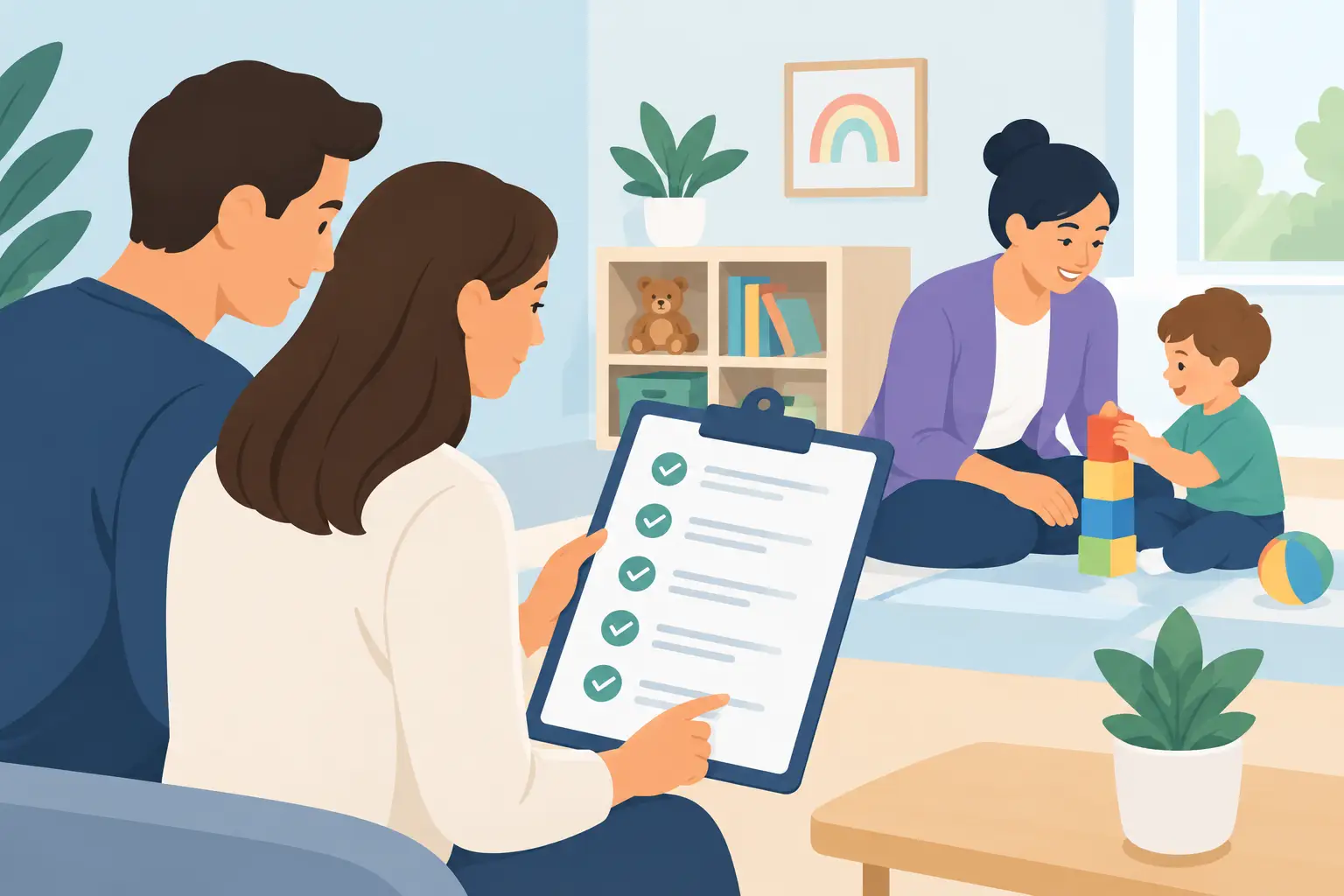
A visit is your opportunity to see policies lived out, not just described. Notice whether staff greet children by name, whether entrances are supervised and whether the atmosphere feels organised even at a busy point in the day.
You may wish to ask how visitors are managed, how collection permissions are checked, who leads safeguarding, and how staff communicate concerns with parents. It can also help to ask about staff training, first aid cover, emergency procedures and how the nursery supports children who are settling in.
Listen for answers that are clear and specific rather than overly polished. A trustworthy provider will explain what happens in practice, acknowledge that situations can vary, and show that it has procedures for the unexpected. No nursery can promise that children will never trip, fall out with a friend or have an unsettled afternoon. It can promise attentive care, sensible risk management and honest communication.
Security should still feel like childhood
The strongest nursery security measures protect more than the building. They protect children’s sense of belonging. When a child sees familiar faces, follows predictable routines and knows that adults listen, they are more able to relax into play and learning.
At Dinotots, this balance between professional standards and nurturing relationships sits at the centre of the care we provide. Families need practical reassurance, but children need something more personal: adults who notice when they need a cuddle, celebrate their progress and help them feel safe enough to be themselves.
As you choose childcare, trust the details and your instincts. A secure nursery will be happy to show you how it keeps children safe, while giving you the equally reassuring feeling that your child will be welcomed with warmth each morning.