
A child may come home talking about a muddy puddle, a tower that fell down or the friend who shared a spade. It can sound like an ordinary nursery day, yet these moments are often where the biggest learning happens. This EYFS curriculum guide for parents explains what your child is learning, how practitioners support them and how you can feel part of their early education without turning home life into school.
What is the EYFS curriculum?
EYFS stands for the Early Years Foundation Stage. It is the statutory framework that guides learning, development and care for children from birth to the end of Reception, usually at age five, in England.
It is not a timetable of formal lessons or a set of targets every child must reach at the same moment. Instead, it helps nurseries and schools provide a safe, stimulating and purposeful environment where children can play, explore, communicate and build the foundations they need for later learning.
For parents, the most reassuring part is that the EYFS sees children as individuals. One child may be absorbed in stories, another may learn best while climbing, building or making patterns with blocks. Skilled practitioners notice these interests and use them as starting points for meaningful next steps.
A strong early years setting balances warmth with clear routines. Children need to feel secure enough to try something new, make a mistake, ask for help and have another go. That emotional security is not separate from learning – it makes learning possible.
The seven areas of learning, explained simply
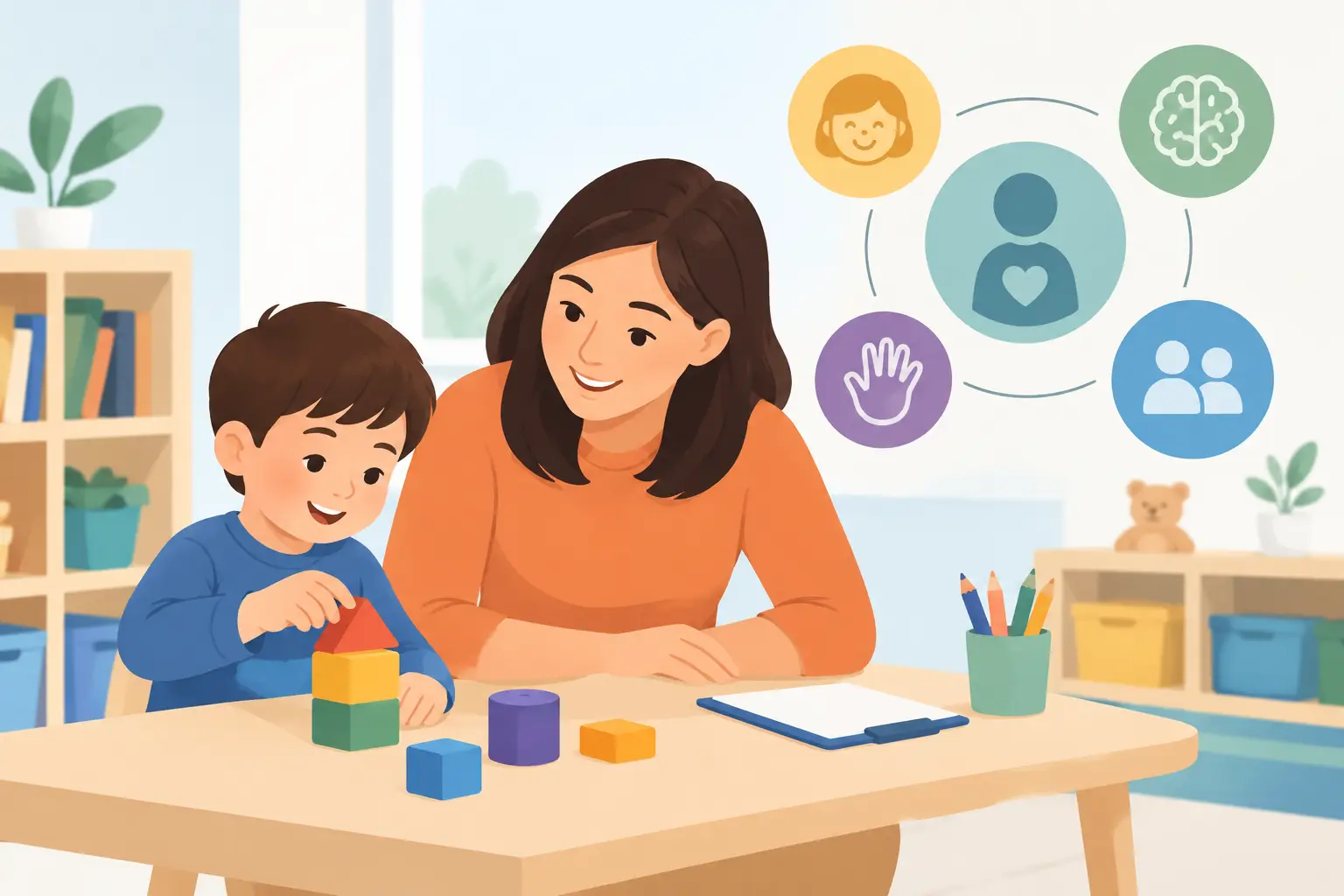
The EYFS is organised around seven areas of learning and development. The first three are known as the prime areas because they support everything else a child will go on to learn.
Communication and language
Children develop understanding and speaking through songs, stories, conversations, questions and everyday routines. A practitioner might introduce new words while making playdough, talk about what is happening at lunch or encourage children to explain how they solved a problem.
This is about far more than speaking clearly. It includes listening, taking turns in conversation, understanding instructions and having the confidence to share an idea.
Personal, social and emotional development
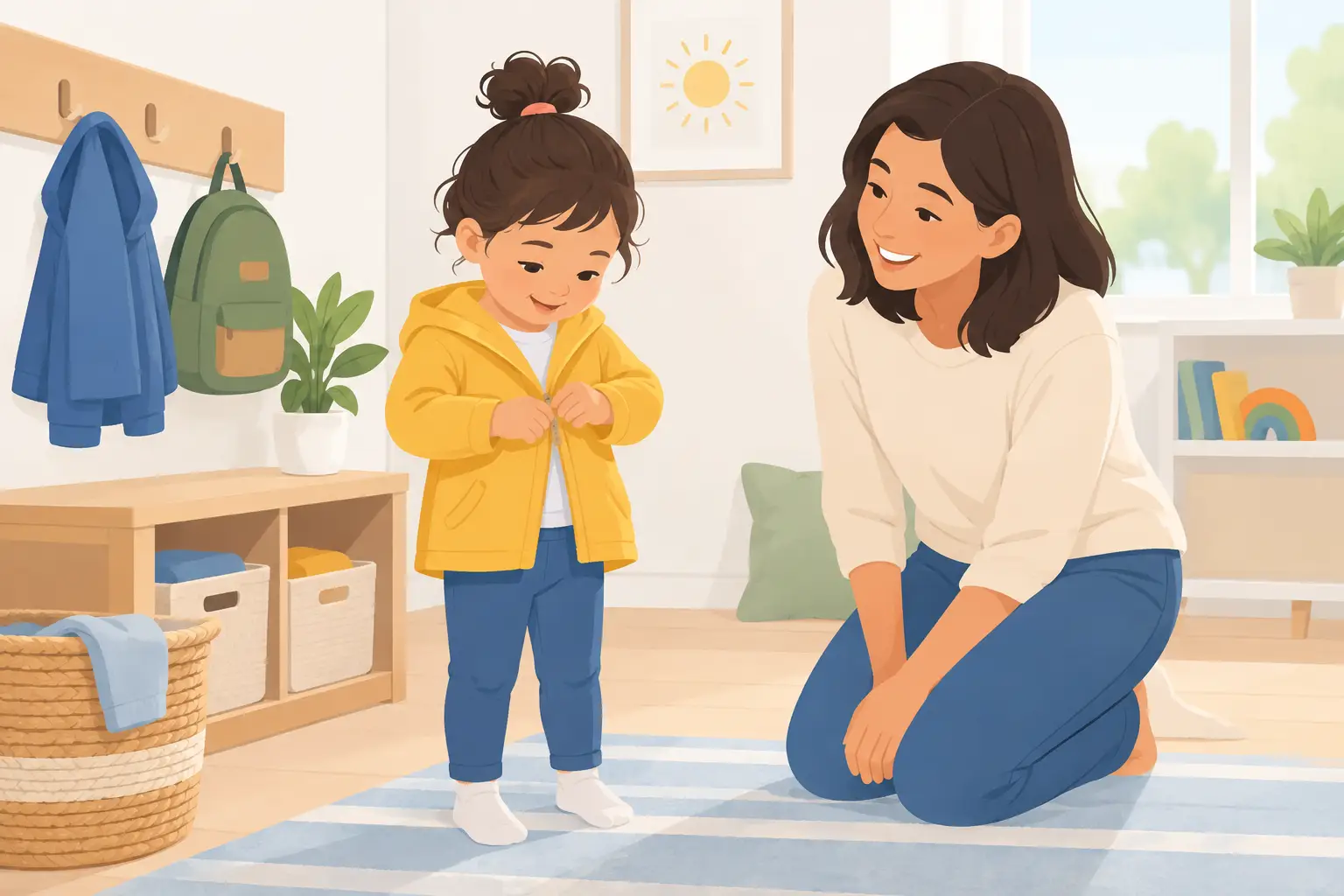
This area includes forming trusting relationships, managing feelings, becoming more independent and learning how to play alongside and with others. Saying goodbye calmly, waiting for a turn, putting on a coat or recovering after a disagreement are all valuable achievements.
Children do not need to be endlessly cheerful to be doing well. They need caring adults who can help them name big feelings and practise safe ways of expressing them. A dedicated key person is especially valuable here, providing a familiar and dependable relationship within the nursery day.
Physical development
Physical development includes both big movements and small, careful movements. Running, balancing, dancing and climbing strengthen gross motor skills, while threading, painting, using cutlery and handling tools build the hand control children will later use for writing.
There is a practical trade-off worth remembering: children often learn best when play is a little messy and active. Outdoor exploration, water play and mud kitchens may create extra washing, but they also help children develop coordination, confidence and resilience.
Literacy
Early literacy begins with enjoying books, hearing rhymes, recognising sounds and having plenty to say. Children may retell a familiar story, make marks that represent their ideas or notice letters in their name.
Formal reading and writing should not be rushed. Before children can confidently read words, they benefit from language-rich experiences, listening games, storytelling and a genuine love of books.
Mathematics
Young children meet maths through real experiences: counting cups at snack time, comparing the height of towers, filling and emptying containers, spotting patterns and using words such as more, fewer, heavy and full.
The aim is not to make every activity into a worksheet. It is to help children notice number, shape, measure and pattern in the world around them.
Understanding the world
This area supports curiosity about people, places, nature, technology and change. A child investigating a frozen puddle, planting seeds, looking at family photographs or finding out how a digger works is developing knowledge and learning how to ask questions.
Nurseries also use this area to help children understand their own families and communities, while introducing them respectfully to experiences and traditions beyond their own.
Expressive arts and design
Singing, role play, painting, dancing, music and construction give children ways to communicate ideas and feelings. There is no single ‘right’ finished picture or model. The process matters: choosing materials, experimenting, imagining and taking pride in what they have created.
How learning happens through play
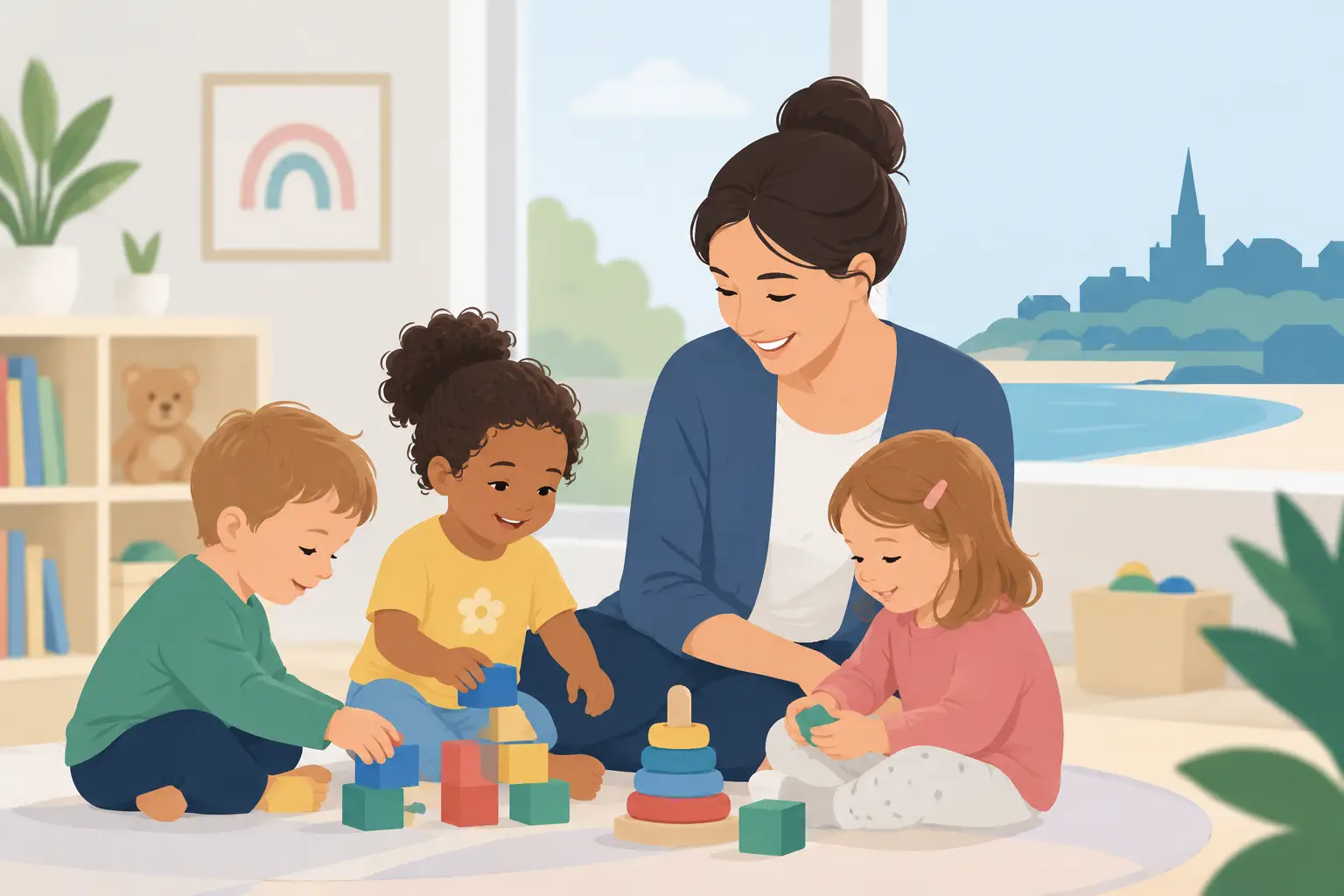
Play is sometimes mistaken for a break from learning. In the early years, it is often the learning itself. When children build a bridge for toy dinosaurs, they may be negotiating with friends, testing ideas, using new vocabulary, counting pieces and developing hand strength at the same time.
Practitioners make this purposeful through careful observation. They watch what a child can already do, what captures their attention and where a little adult support might help. This may involve adding new resources, modelling a word, asking an open question or simply giving a child time to persist.
The best support is not always stepping in quickly. If a puzzle feels difficult, a practitioner may encourage a child to rotate the piece, try another approach or ask a friend for help. The goal is confidence and independence, not an adult completing the task for them.
An EYFS curriculum guide for parents at home
You do not need specialist resources or planned lessons to support EYFS learning at home. Family life already offers rich opportunities. Talk together while cooking, count stairs, share books before bed, let your child help sort socks and make time to listen to their imaginative stories.
Try to follow your child’s interests where you can. If they are fascinated by buses, you might talk about the route, notice numbers, draw tickets or borrow books about transport. This tends to feel more natural than pushing an activity they do not enjoy.
Consistency matters more than doing lots. Ten calm minutes with a favourite story each evening can be more valuable than an occasional elaborate craft activity. For busy working families, everyday connection is enough.
It also helps to give children manageable responsibilities. Putting toys away, carrying their cup to the sink and choosing between two weather-appropriate jumpers build independence. Offer help when needed, but allow a little extra time for them to try.
What should parents expect from nursery communication?
A trusted nursery should make learning visible without overwhelming you with paperwork. Updates may include observations, photographs, a brief account of an activity or a conversation at collection about something your child enjoyed or found tricky.
Useful communication goes both ways. Tell your child’s key person about changes at home, such as a new sibling, disrupted sleep, a family celebration or worries about separation. These details help practitioners respond with sensitivity and maintain the routines that make children feel safe.
You can also ask simple, specific questions: What has my child enjoyed lately? Who do they choose to play with? What are they working on next? How can we support that at home? These often lead to a more helpful conversation than asking, ‘Were they good today?’
At Dinotots, the Brighter Learning Approach brings together nurturing relationships, purposeful play and regular family communication, so parents can understand not only what their child did, but how they are growing.
Progress is not a race
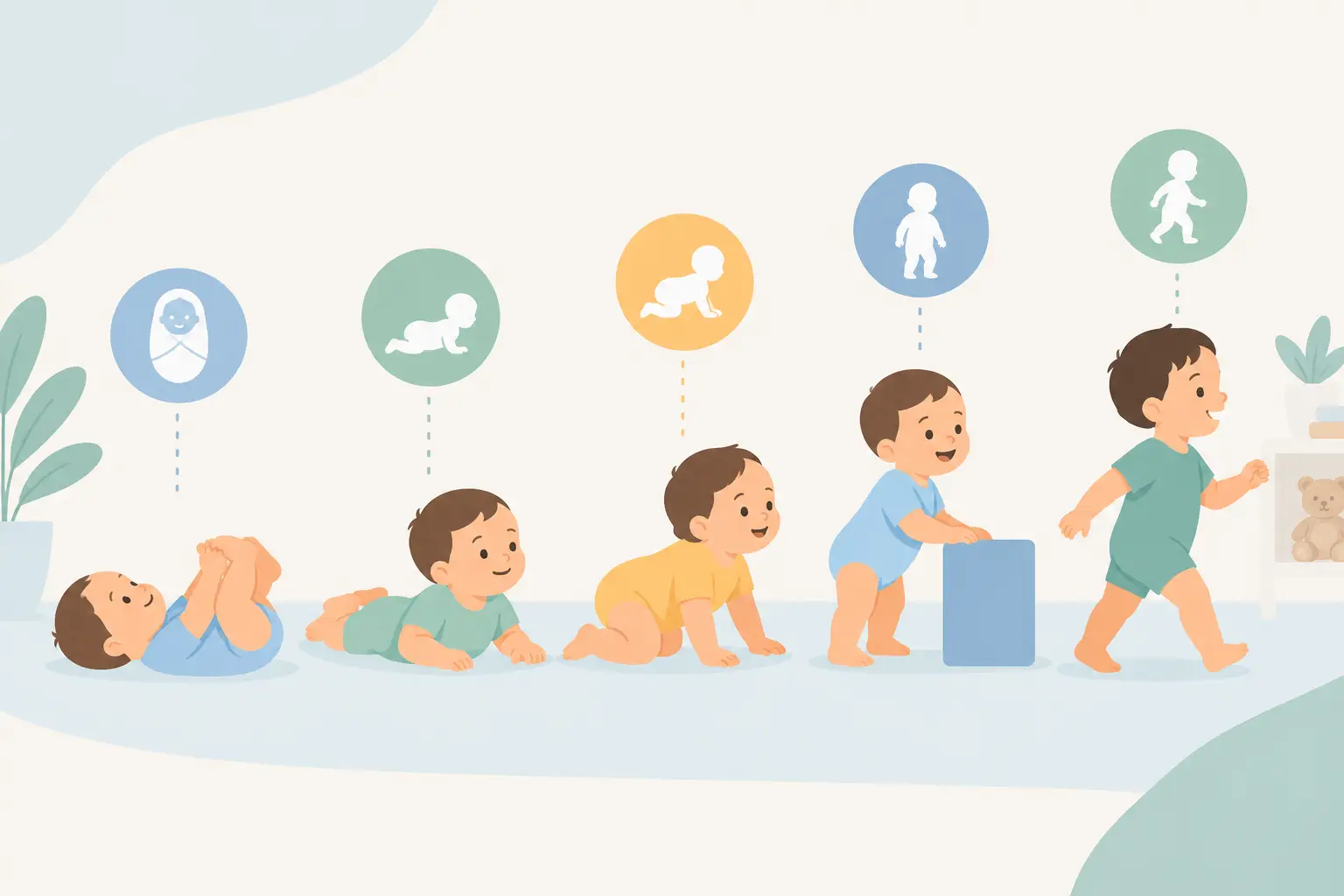
Every child develops at a different pace. Some settle into group care quickly but take longer to speak in larger groups. Others are highly chatty yet need more time with sharing, toileting or confidence in physical play. These differences are normal.
Practitioners use assessment to understand progress and plan appropriate support, not to label children or compare them with their friends. If a child needs additional help, early conversations between parents, nursery staff and, where appropriate, other professionals can make a meaningful difference. Good support is respectful, practical and centred on the child’s strengths.
School readiness is also broader than recognising letters or writing a name. A child is better prepared when they can communicate needs, cope with small changes, listen for short periods, build relationships, use the toilet with increasing independence and approach new experiences with growing confidence.
A calm partnership gives children the best start
The EYFS works best when nursery and home feel like partners, not separate worlds. You know your child’s personality, routines and comforts better than anyone. Practitioners bring knowledge of child development, a carefully planned environment and the experience to turn ordinary moments into learning.
There will be days when your child brings home a painting you cannot quite identify, or says they spent the morning playing. That is often a sign of a childhood being taken seriously: happy, secure, curious and steadily becoming more capable. Keep talking, keep noticing the small wins, and let your child see that learning is something to enjoy together.