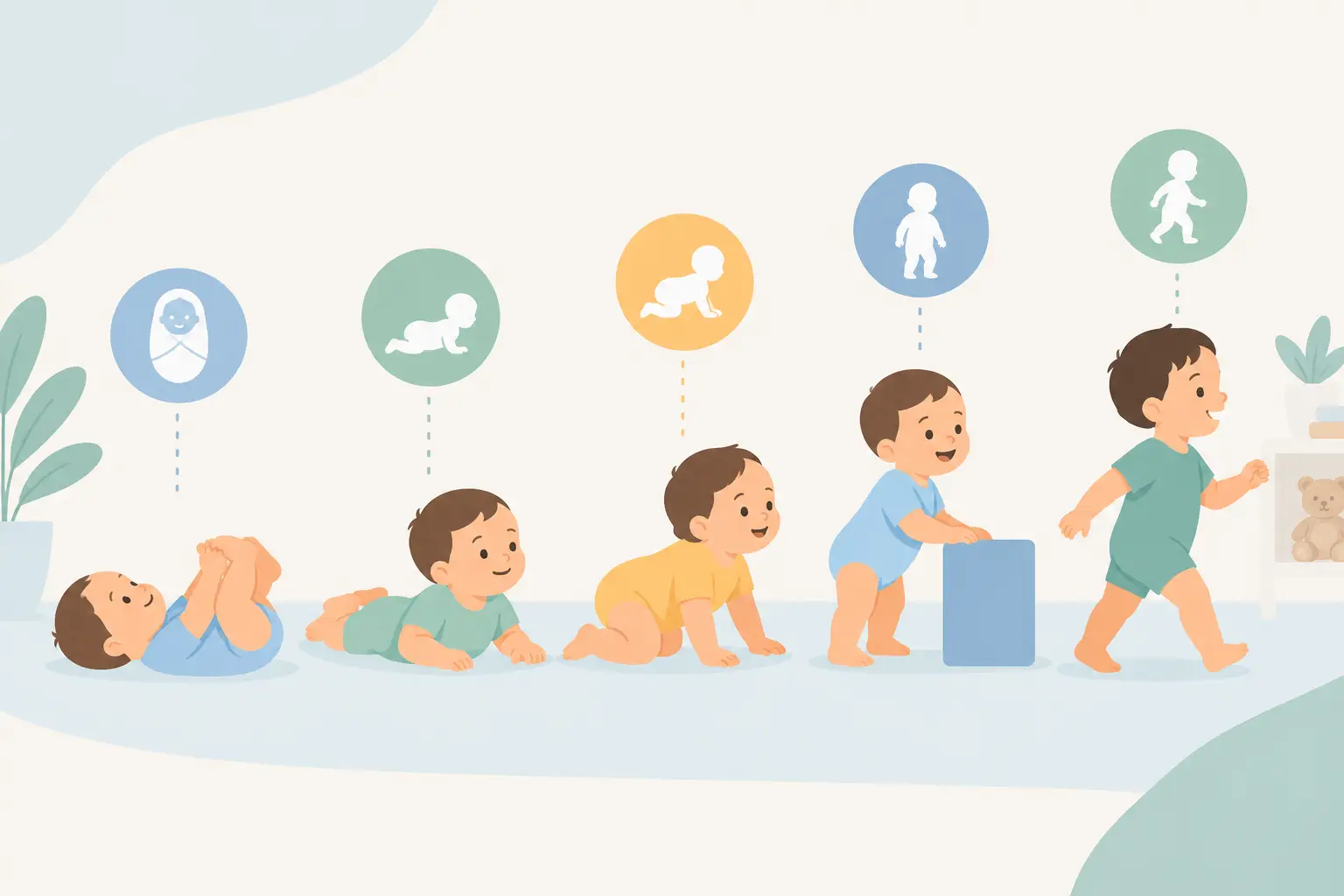

A sleeping baby can look completely peaceful, but for nursery teams and parents, sleep is never something to leave to chance. Safe sleep nursery practices matter because babies need rest that is not only comforting, but carefully managed, consistently supervised, and built around clear safety standards. When families hand over their child each morning, they deserve to know that every nap is treated with the same level of care as feeding, settling, and play.
For many parents, sleep is also one of the most emotional parts of nursery care. At home, you know the cot, the room, the routine, and the little cues that mean your baby is ready to drift off. In a nursery, that trust has to be earned. Good practice is not about making sleep feel clinical. It is about creating an oasis of calm where babies can rest safely, and where parents feel reassured that nothing important is being overlooked.
What safe sleep nursery practices really mean
Safe sleep in an early years setting is a combination of environment, staff training, supervision, and communication with families. It is not one rule on its own. A nursery can have suitable cots and still fall short if checks are inconsistent. It can have caring staff and still need stronger routines if sleep records are unclear. Strong practice comes from every part working together.
In practical terms, safe sleep means babies are placed in age-appropriate sleep spaces, in positions that reduce risk, with bedding and room set-up carefully considered. It also means staff remain attentive throughout the sleep period rather than simply settling a baby and moving on. That ongoing supervision is a big part of what gives parents peace of mind.
There is also an important balance to strike. Babies are individuals. Some settle quickly with a familiar sleeping bag, some need a short wind-down, and some are in the middle of changing nap patterns. A quality nursery respects those differences without compromising safety. The routine should flex around the child, but the standards should stay firm.
The nursery sleep environment matters more than parents may realise
A safe sleep space should be simple, calm, and set up with intention. In nursery life, where there is naturally more movement and activity than at home, this matters even more. Babies need a designated sleep area that feels restful and is organised in a way that allows staff to supervise properly.
Cots should be clear and suitable for the child using them. Soft toys, loose blankets, pillows, and bulky items may feel cosy, but they can create avoidable risk. The safest environment is usually the simplest one. That can sometimes surprise parents, especially if their baby likes a comfort item, but a well-run nursery will explain the difference between what feels comforting and what is considered safest during sleep.
Room temperature also plays a part. Overheating is a concern for sleeping babies, so nurseries need a consistent approach to monitoring the sleep area and dressing babies appropriately. This is one of those details that families do not always see, yet it makes a real difference. Thoughtful staff are not just helping babies fall asleep. They are checking that babies are comfortable without being too warm, and adjusting carefully where needed.
Noise and lighting matter too, although there is no single perfect set-up for every child. Some babies settle better in a dim, quiet area, while others are used to a little background sound. The key is that the environment should support rest without creating unnecessary hazards or making supervision harder.
Positioning, checks, and supervision
One of the most widely recognised parts of safe sleep nursery practices is how babies are placed down to sleep. This is not a minor detail. Sleep position should follow current safer sleep guidance, and staff should apply it consistently unless there is a documented medical reason to do otherwise.
Just as important is what happens after a baby falls asleep. A nursery should not treat sleep as downtime. Staff should carry out regular checks and remain alert to changes in breathing, temperature, and position. Babies can wriggle, become uncomfortable, or need resettling. Strong supervision means these things are noticed promptly.
Parents sometimes assume a baby monitor is enough, but in a nursery setting, direct observation and routine checking are what really matter. Technology can support practice, but it should never replace trained staff presence and judgement. The human element is essential.
There is also a difference between watching a room and truly supervising sleep. Skilled practitioners know how to read a baby’s cues, notice when a child is too warm, spot when a sleeping bag is not sitting correctly, or recognise when a baby has stirred into light sleep and may need a quick reassurance before becoming unsettled. That level of attentiveness comes from training, experience, and a culture that takes sleep safety seriously.
Why policies and staff training are so important
Parents often look first at the nursery room, the cots, and the general atmosphere. Those things matter, but safe sleep is also built behind the scenes. Clear policies, regular staff training, and shared routines help make sure every baby receives the same standard of care, even across different rooms, shifts, or sites.
A written sleep policy gives structure. It helps staff know exactly what is expected around sleep environments, checks, recording, and communication with families. It also protects consistency. Without that structure, practice can become too dependent on individual habits, and that is where standards can slip.
Training matters because sleep safety is not static. Guidance evolves, and staff need regular refreshers to stay confident and current. Nursery teams should understand not just what to do, but why it matters. When practitioners understand the reason behind a routine, they are more likely to apply it carefully and explain it well to parents.
This is especially valuable when families have different home habits. Nursery staff will often meet parents who swaddle, use particular comfort items, or follow routines that do not fully match nursery policy. Those conversations need sensitivity. A caring setting does not shame parents or create alarm. It explains the nursery approach calmly, clearly, and respectfully, always keeping the child’s safety at the centre.
Working with parents on safe sleep nursery practices
The best nurseries treat sleep as a partnership with families. Parents know their child’s habits, signals, and changing routines. Nursery teams bring professional oversight, safer sleep knowledge, and the consistency of a structured setting. When those two sides work together, babies benefit.
That partnership starts before the first nap. Families should be asked about usual sleep times, settling preferences, dummy use, recent changes, and anything relevant to the child’s comfort or health. This does not mean every preference can be mirrored exactly. Sometimes nursery practice has to differ from home because group settings require stronger controls. But parents should always understand what the nursery will do and why.
Good communication continues day by day. Sleep records help families see how long their baby rested, when they settled, and whether anything unusual happened. For working parents, this can make evenings much easier. It helps them judge bedtime, understand changes in mood, and feel connected to their child’s day rather than left guessing.
Open communication also builds trust when routines change. Babies move through phases quickly. A child who took two naps last month may now need one longer sleep. Another may be teething, unwell, or adjusting after a disrupted night. When nursery staff share these patterns clearly, parents feel supported rather than surprised.
Questions parents should feel comfortable asking
If you are choosing a nursery, it is perfectly reasonable to ask how babies sleep, how often checks are completed, what the cot set-up looks like, and how staff record naps. You can also ask how the team handles dummies, sleeping bags, room temperature, and babies who struggle to settle.
The response matters as much as the answer. A dependable nursery should be able to explain its approach plainly and confidently, without being defensive or vague. Parents are not being difficult when they ask. They are doing exactly what caring parents should do.
It is also worth asking how the nursery manages individual needs while maintaining safety. That is where you often hear whether a setting truly understands babies and families. The strongest teams are not rigid for the sake of it, but they are consistent where it counts.
Safe sleep is part of a bigger picture of care
Sleep safety does not sit in isolation. It is closely linked to emotional security, familiar routines, clean and calm environments, and staff who know each child well. Babies rest better when they feel safe, and parents feel more confident when they see that nursery sleep routines are thoughtful, professional, and consistent.
At Dinotots, as in any high-quality early years setting, the goal is never simply to get babies off to sleep. It is to make sure they are cared for in a way that protects their wellbeing and supports family confidence every single day.
If you are exploring nursery care, trust your instincts and ask the detailed questions. The right setting will welcome them, because safe sleep is not an extra feature. It is one of the clearest signs that your baby is in capable, caring hands.