
That moment at the nursery door can feel far bigger than it looks. Your child clings tighter, their face crumples, and you are left wondering whether separation anxiety at nursery is a sign that something is wrong. In most cases, it is not. It is a very normal response to change, attachment, and a child working out that the people they love can leave – and come back.
For parents, it can be heartbreaking. For children, it can feel overwhelming in the moment. But with a thoughtful settling-in approach, clear routines, and calm teamwork between home and nursery, this stage usually becomes much easier.
Why separation anxiety at nursery happens
Separation anxiety is a healthy part of early development. Babies and young children form strong attachments to the adults who care for them most closely. When they begin nursery, they are being asked to do something big – stay in a new place, with new adults, different sounds, and unfamiliar routines.
Some children show this very clearly by crying at drop-off. Others become quiet, clingy at home, unsettled at bedtime, or unusually tired. A confident child can still struggle with separation. Equally, a child who cries at the door may settle quickly once they are inside. The tears themselves do not tell the whole story.
Age can play a part, but temperament often matters more. Some children adapt quickly to new situations. Others need more time to feel safe. Changes at home can also make separation harder, such as moving house, a new sibling, illness, changes in routine, or even a parent returning to work after a long period together.
What is normal and when to look more closely
A difficult start does not mean nursery is the wrong choice. Many children protest at handover for days or weeks and then go on to thrive. What matters is the overall pattern. Are they beginning to form bonds with staff? Do they settle after a short while? Are there moments of play, curiosity, and calm across the day?
It is also worth remembering that children often save their biggest feelings for the people they trust most. A child may hold it together at nursery and then fall apart at home. That does not mean the setting has missed something. It can simply mean they have worked very hard emotionally during the day.
You may want a closer conversation with the nursery team if distress is intense and ongoing, if your child is unable to settle at all, if eating and sleep are being heavily affected for a long period, or if there are other signs that something specific may be troubling them. Good nurseries will never brush those concerns aside.
How nurseries help children feel secure
The best support for separation anxiety at nursery is not a magic phrase at the door. It is a whole environment built around emotional security. Children cope better when they know who is caring for them, what happens next, and that the adults around them understand their needs.
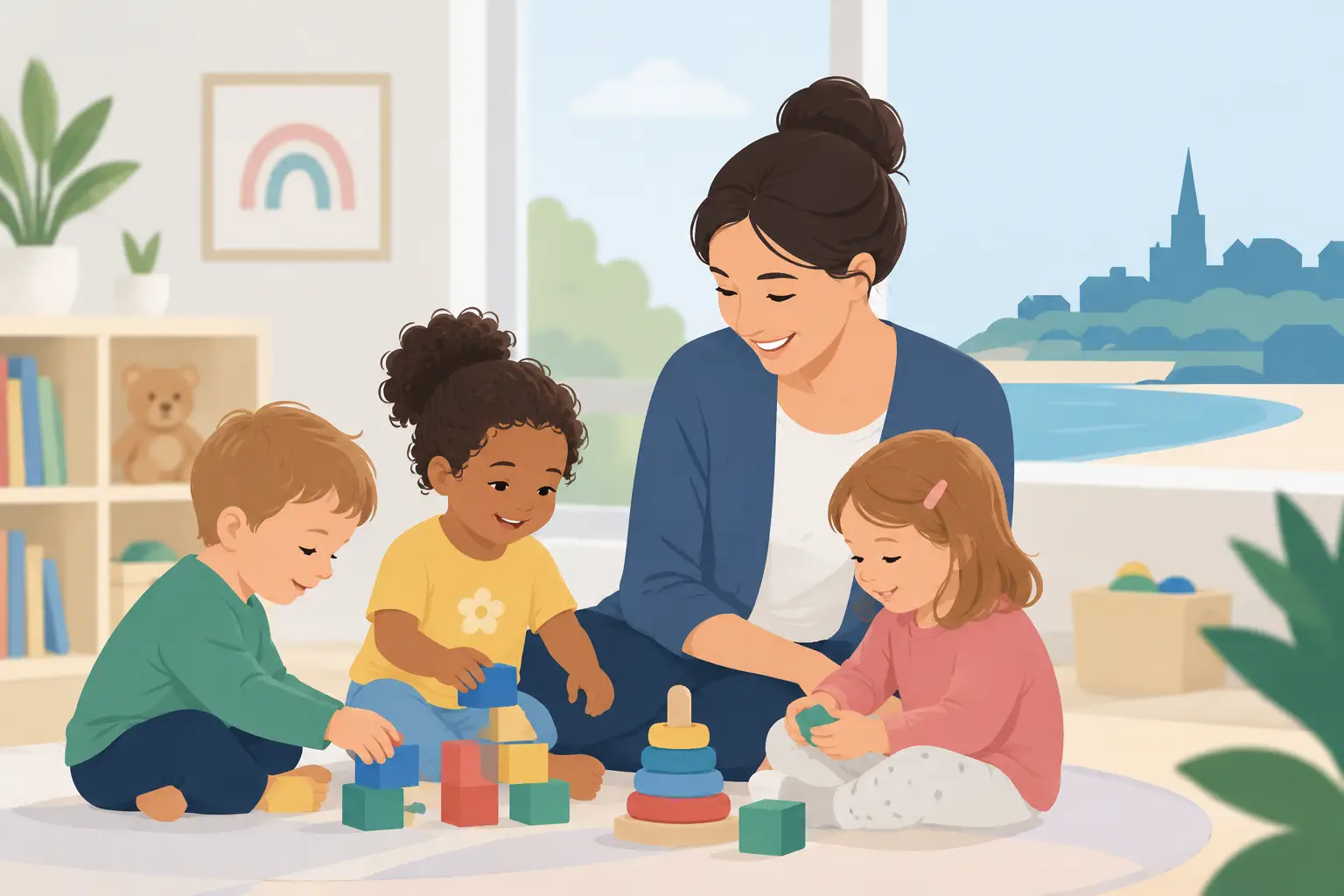
A key person approach is especially important. When one familiar adult takes a leading role in welcoming, comforting, and getting to know your child, trust grows more quickly. Predictable routines matter too. Snack time at the same point in the morning, familiar songs at tidy-up time, and a steady handover pattern all help children make sense of the day.
Warmth and professionalism need to sit side by side. Children need cuddles, reassurance, and patience, but they also benefit from calm structure. A well-run nursery room feels safe because adults are organised, observant, and consistent. That balance is often what gives parents confidence as well.
What parents can do before the first drop-off
Preparation helps, although it will not remove every wobble. Talking about nursery in a positive, matter-of-fact way can make it feel familiar before the first day. Keep it simple. Young children do not need a long speech about change. They need repetition, confidence, and clear language.
You might say who will take them, who will collect them, what they might do there, and that they will be looked after until you come back. Reading books about starting nursery can help some children. For others, practising short separations with trusted family members is useful because it builds the experience of goodbye followed by reunion.
A comfort item can help too, depending on the nursery’s policy. A small soft toy, a family photo, or even a familiar muslin can offer reassurance. This will not suit every child. Some become more upset if the item reminds them strongly of home. It depends on the child and how the item is used.
The drop-off routine that usually works best
Parents often feel torn between staying longer and leaving quickly. In truth, the most helpful approach is usually calm, warm, and brief. Children take many of their cues from the adults around them. If a goodbye becomes hesitant, apologetic, or stretched out, it can make the moment feel less safe rather than more.
A consistent routine is often the kindest option. Arrive, help your child transition to their key carer, use the same goodbye phrase, and leave when you say you will. That predictability matters. It shows your child that goodbyes are manageable and that adults mean what they say.
This does not mean being cold. Comfort them, acknowledge their feelings, and stay steady. A simple, loving sentence is enough: “You’re safe, your key worker is here, and I’ll see you after lunch.” Long negotiations are rarely helpful, especially once a nursery team member is ready to support the handover.
What not to do when goodbyes are hard
Most parents know not to sneak away, but it can be tempting when a child is distressed. Unfortunately, disappearing without saying goodbye often makes anxiety worse. If your child starts to think you may vanish at any moment, trust becomes harder to build.
It also helps to avoid making nursery sound optional in the heat of the moment. Saying “If you cry, we’ll just go home” may feel comforting, but it can make the next drop-off harder. The better message is that nursery is a safe, normal part of the day and that the adults there will help.
Try not to judge the day by the doorway alone. Ask staff how long it took your child to settle, what they enjoyed, whether they ate, and whether they connected with others. A child who sobs for two minutes and then paints happily all morning is having a very different experience from one who remains distressed throughout.
Working with nursery staff as a team
Strong parent communication makes a real difference. Share what comforts your child, any recent changes at home, favourite songs or toys, sleep patterns, and anything else that may help the team understand them. The smallest detail can be useful.
It is equally helpful to ask how the nursery manages settling-in, who your child’s main carer will be, and what happens if they are upset for longer than expected. Reassurance is most powerful when it is specific. Hearing that your child was comforted by a familiar adult, joined in with water play, and had a good lunch is far more settling than hearing only that they were “fine”.
At Dinotots, this kind of partnership is central to helping children feel secure. Parents need emotional reassurance, but they also need to know there is a clear, professional approach behind the warmth.
When separation anxiety at nursery lasts longer
Some children need more time, and that is not a failure. Temperament, developmental stage, and family circumstances all shape how a child responds. If separation anxiety at nursery is continuing beyond the early settling period, the next step is not blame. It is curiosity.
Sometimes the answer is practical. A shorter initial session, the same staff member greeting your child each day, or a more predictable collection time can help. Sometimes it is linked to tiredness, hunger, or a recent disruption at home. And sometimes a child simply needs a slower pace while they build trust.
If concerns continue, ask for a proper conversation rather than trying to piece things together during a rushed handover. Good early years teams are used to this. They can observe patterns, adapt routines, and work with you to make a plan that is realistic for family life.
Looking beyond the tears
Separation anxiety can make parents question everything, especially in the first few weeks. But children are often more capable than they appear in those difficult doorway moments. With loving consistency, clear routines, and trusted adults around them, most children begin to learn one of the most important early lessons of all – goodbye is not the end of safety, and home comes back.