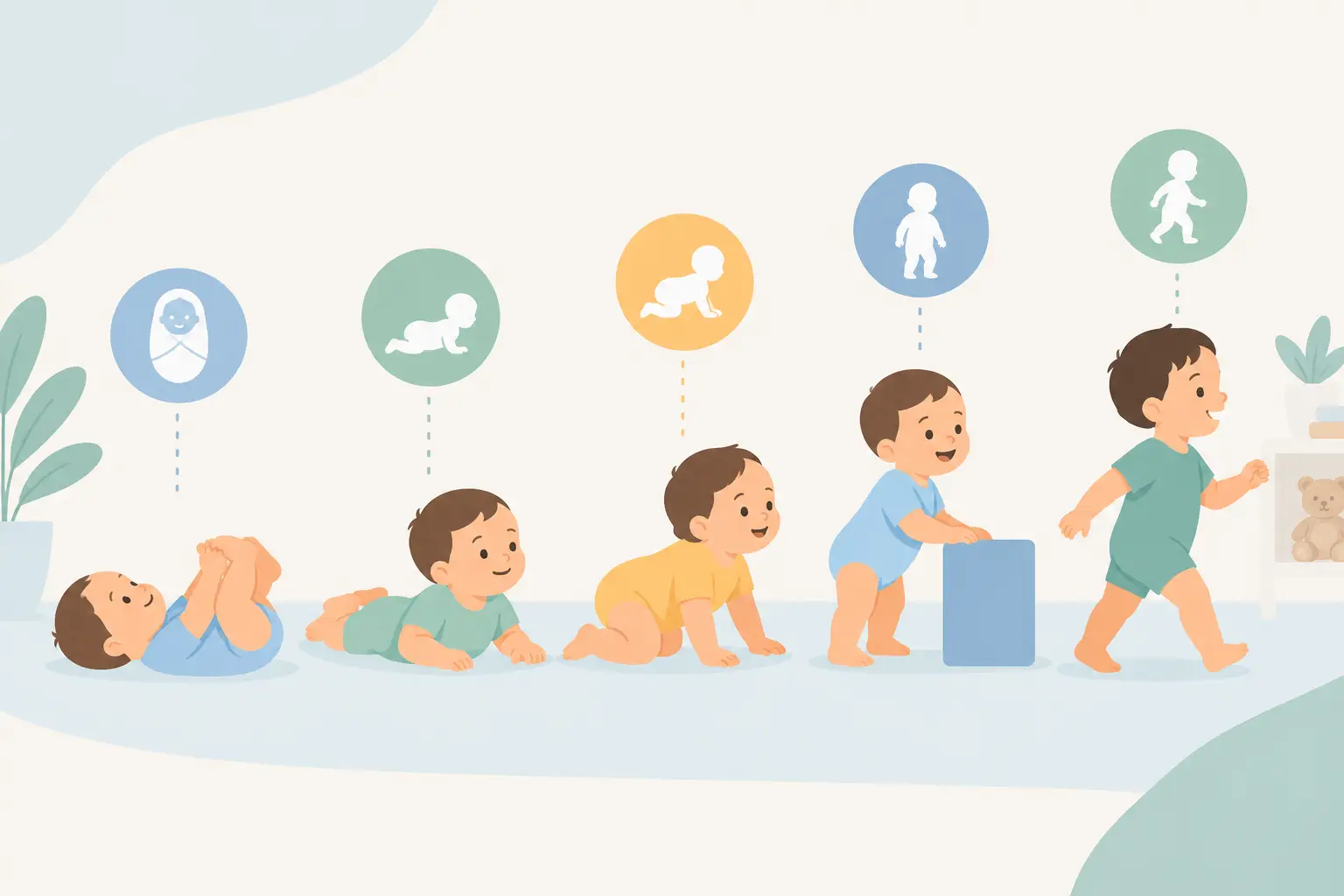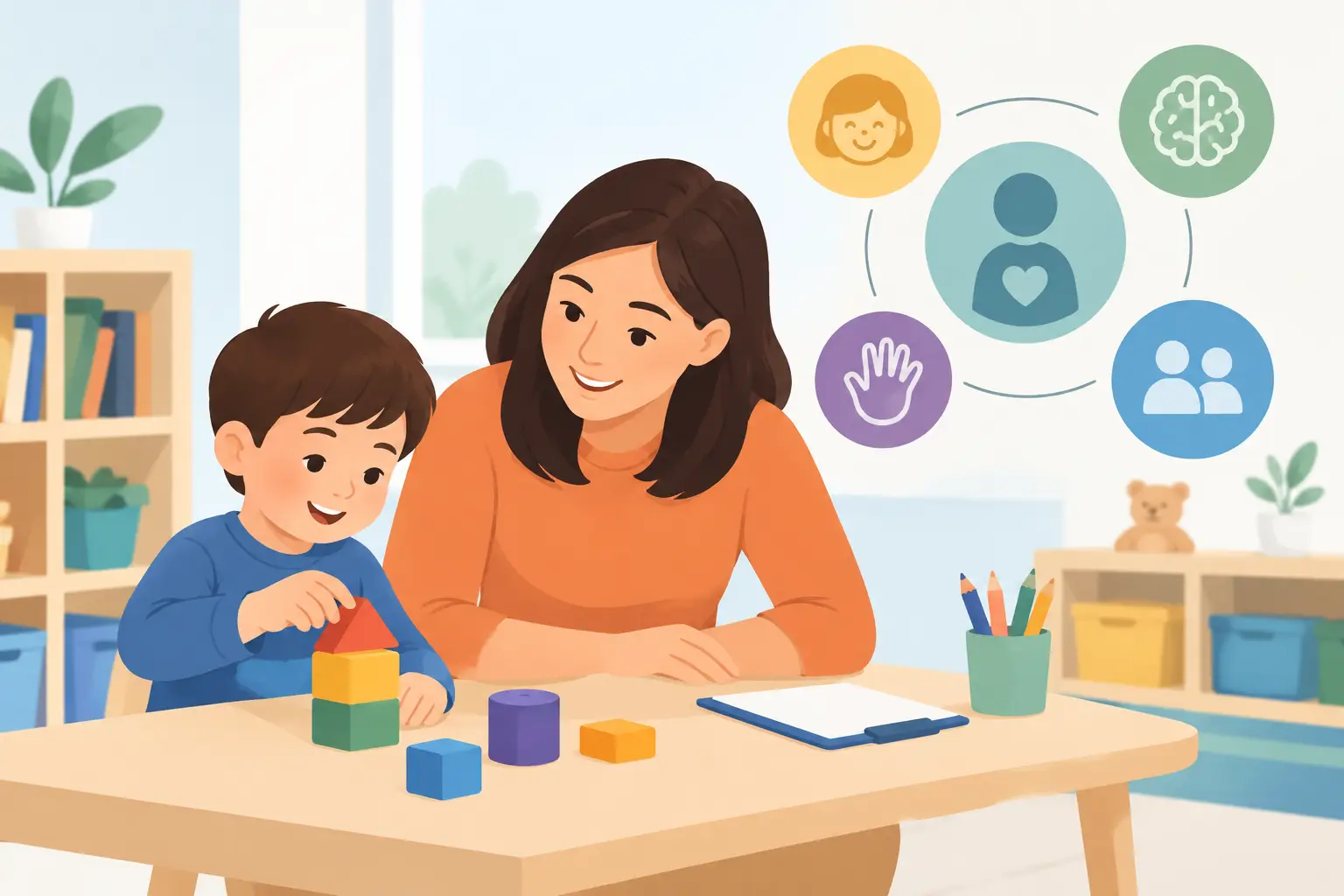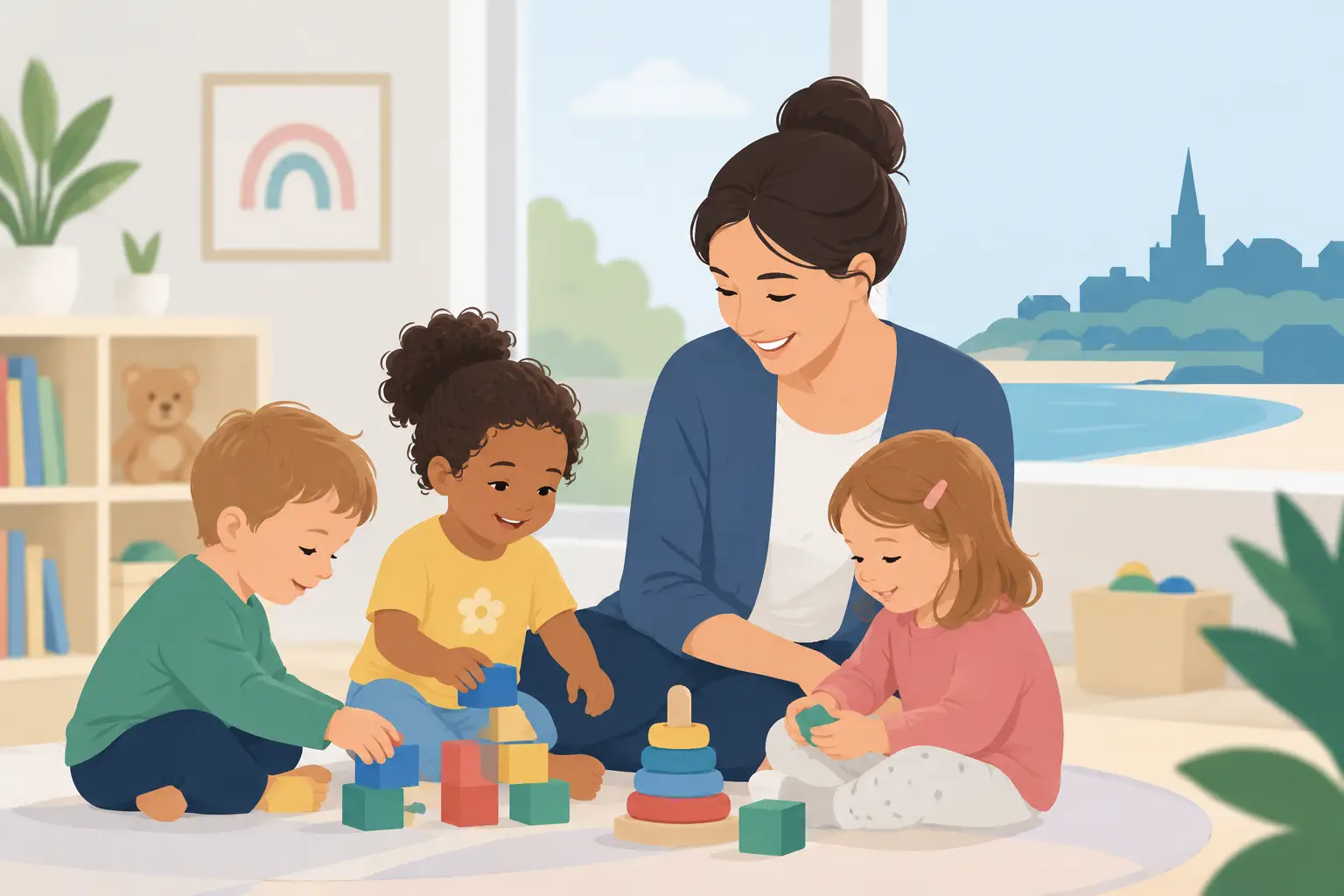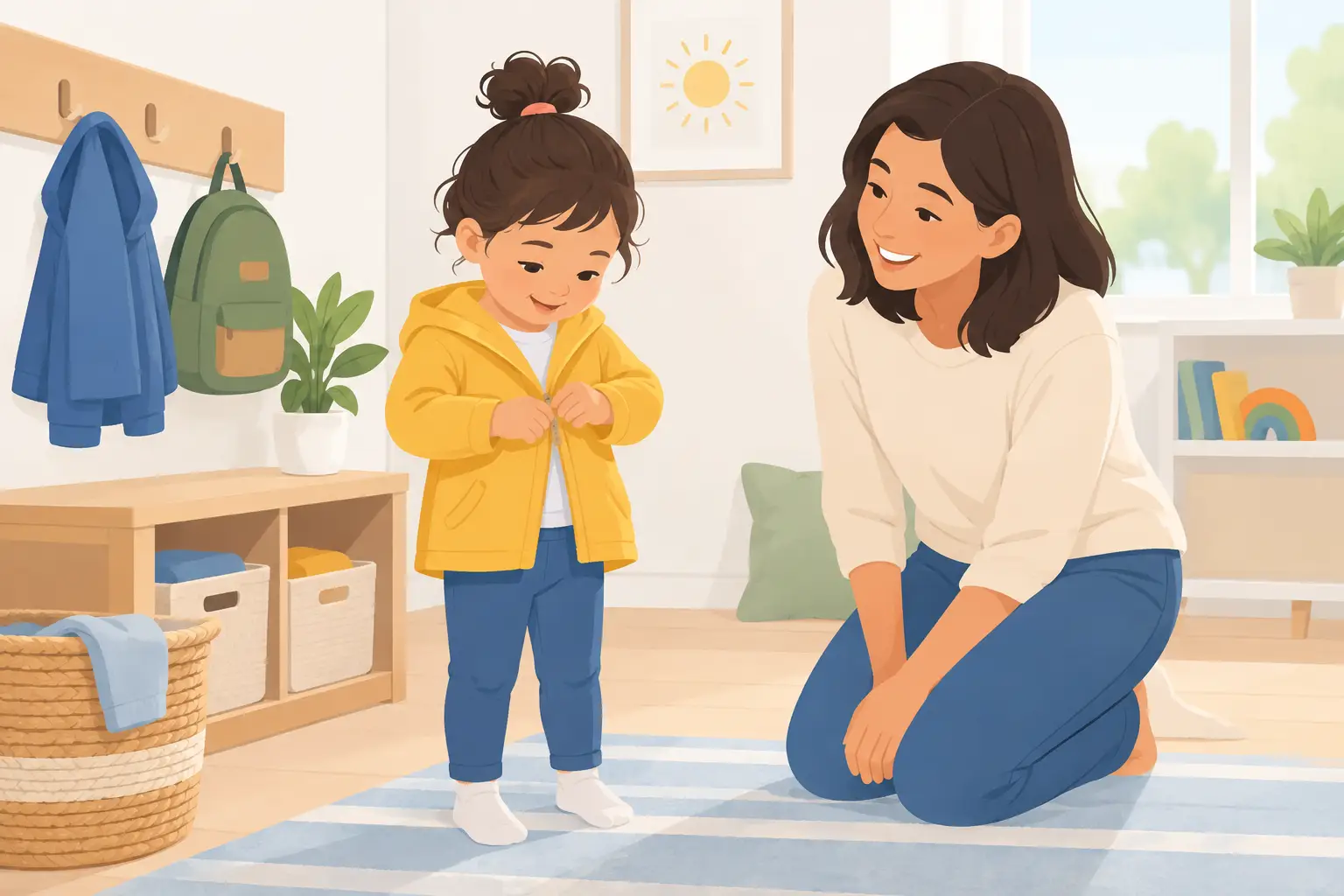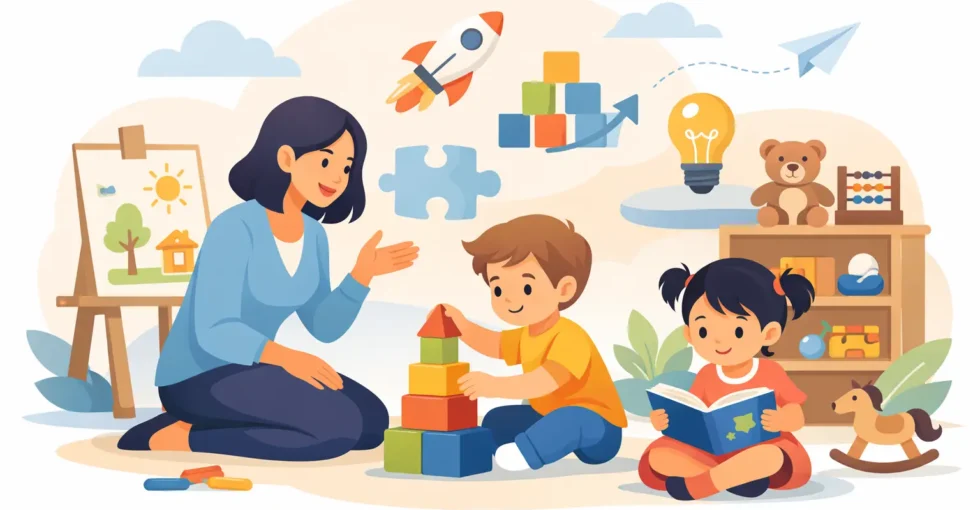

A child learns a great deal before they ever pick up a school book. The way they play, copy, listen, move, share and settle into routines all shape how they grow. That is why many parents ask how nursery helps child development – not just academically, but emotionally, socially and physically too.
A good nursery does far more than fill the hours while parents work. It gives children a safe, caring place where they can build confidence, form secure relationships and learn through everyday experiences. For families, that matters because development in the early years is not separate from care. The best progress tends to happen when children feel happy, known and supported.
How nursery helps child development in the early years
Early childhood is a period of rapid change. Language grows quickly, attention begins to strengthen, and children start learning how to manage feelings, follow boundaries and make sense of the world around them. Nursery supports this by giving children the right balance of warmth, routine and stimulation.
At home, children often receive one-to-one attention and familiar comfort. That is valuable and irreplaceable. Nursery adds something different. It introduces shared spaces, group activities and new adults who know how to support early development in a structured but gentle way. That mix can help children become more adaptable and more confident in situations beyond the family home.
The benefit is not that nursery is better than home. It is that nursery can complement home life in ways that broaden a child’s experience.
Emotional security comes first
Children learn best when they feel safe. Before letters, numbers or school readiness can really take hold, a child needs to trust the adults around them and feel secure in their environment. In a high-quality nursery, this starts with familiar faces, calm routines and responsive care.
A dedicated key person or key carer can make a real difference. When a child knows who will welcome them, comfort them and notice their needs, nursery begins to feel predictable. That sense of emotional security helps children explore more freely, try new things and recover more easily from small setbacks.
This is especially important during transitions. Some children settle quickly, while others need more time. Neither response is wrong. A strong nursery team understands that development is not a race, and that confidence often grows from patient, consistent support rather than pressure.
Language and communication develop every day
One of the clearest answers to how nursery helps child development is what happens to language. In nursery, children hear new words constantly. They listen to stories, songs and conversations, and they are encouraged to express needs, make choices and join in with others.
That repeated exposure matters. Children build vocabulary through hearing language used in context – at snack time, during role play, while tidying up, outside in the garden and when talking about feelings. Skilled early years practitioners do more than supervise these moments. They extend them. They ask open questions, name objects and emotions, and give children time to respond.
For quieter children, nursery can gently encourage communication without forcing it. For very chatty children, it can help them learn turn-taking and listening. Both are part of healthy language development.
Social skills are learned through practice
Sharing sounds simple until you ask two toddlers to use the same toy. Nursery gives children daily opportunities to practise social skills in real situations. They learn to wait, take turns, join in, negotiate and recover when things do not go their way.
These moments are not small. They are the foundations of friendship, empathy and resilience. A child who begins to understand that another child has feelings, preferences and boundaries is developing important social awareness.
Of course, nursery groups can also be overwhelming for some children at first. Larger settings, noise and new personalities may take adjustment. Good nurseries do not expect instant confidence. They help children build it gradually, with support that matches their temperament and stage of development.
Play builds thinking, not just entertainment
To adults, play can sometimes look random. To children, it is serious work. Through play, they experiment, solve problems, test ideas and make connections. Nursery creates an environment where that kind of learning can happen regularly and with purpose.
Water play teaches cause and effect. Building blocks support spatial awareness and problem-solving. Role play helps children understand everyday life, relationships and imagination. Puzzles, matching games and simple sorting activities help strengthen memory, concentration and early maths thinking.
The key point is that children do not need formal lessons all day to learn well. In fact, in the early years, they often learn best through well-planned play supported by adults who know when to step in and when to let curiosity lead.
Routines support confidence and independence
Children usually feel more secure when they know what comes next. Nursery routines – arriving, hanging up coats, washing hands, sitting for meals, joining group time, resting and tidying away – help create that reassuring rhythm.
These routines do more than keep the day organised. They help children develop independence. Over time, children learn to carry out simple tasks for themselves, make choices, manage transitions and understand expectations. Those are important life skills, and they also help with school readiness later on.
Routine can be especially helpful for children who find change difficult. A predictable day gives them a framework they can rely on. At the same time, a thoughtful nursery stays flexible enough to respond to individual needs. Structure is useful, but children still need warmth and understanding within it.
Physical development is part of the picture
Child development is not only about speech and learning. Physical development matters too, and nursery supports it in ways that are easy to overlook.
Young children need space and encouragement to move. Climbing, balancing, running, dancing, digging and riding all help develop strength, coordination and body awareness. Fine motor skills grow through mark-making, threading, painting, cutting and handling small objects.
These experiences prepare children for later tasks that seem unrelated at first glance, such as holding a pencil, sitting comfortably, dressing independently or joining in confidently with sport and play at school.
Nursery and school readiness
Parents often hear the phrase school readiness and assume it means knowing the alphabet or counting to ten. Those things can help, but true readiness is broader than that.
A child is better prepared for school when they can cope with short separations, follow simple instructions, join group activities, communicate basic needs, manage some self-care and approach new experiences with a degree of confidence. Nursery helps children build these foundations steadily.
That does not mean every child will leave nursery with the same strengths. Some will be highly social but slower to speak in groups. Others will love books but need more support with confidence. Development is uneven, and that is normal. What matters is steady progress in a supportive environment.
Partnership with parents makes the difference
The strongest outcomes usually come when nursery and home work together. Parents know their child best. Nursery practitioners bring training, observation and experience across early years development. When those two perspectives meet, children benefit.
This might look like sharing updates about sleep, mood, eating, toilet training, friendships or new interests. It might mean noticing the same next step both at home and in nursery, then supporting it consistently. Clear communication reassures parents, but it also helps children because the adults around them are working as a team.
For working families, that partnership can bring real peace of mind. It is easier to focus on the day ahead when you know your child is not only being cared for, but truly understood.
How to recognise a nursery that supports development well
Not every setting offers the same experience, so it is worth looking beyond surface details. A well-presented room matters, but the real question is how children are being supported within it.
Look for warm interactions, not just busy activities. Notice whether staff speak to children with respect, whether children seem settled, and whether routines feel calm rather than chaotic. Ask how the setting tracks development, supports emotional wellbeing and helps children settle in. Good nurseries can explain what they do and why they do it.
At Dinotots, this balance of nurturing care and structured early learning sits at the heart of the approach, because children thrive when they feel happy, secure and encouraged to grow at their own pace.
For many families, nursery becomes one of the first big steps outside the home. That can feel emotional for parents as well as children. But when the setting is right, nursery is not simply a practical solution. It becomes a place where children build friendships, discover their strengths and develop the confidence to keep trying. And that is a powerful start.