
You might hear a nursery mention the EYFS and wonder whether it means phonics worksheets, formal lessons, or a lot of educational jargon wrapped around play. For most parents, what you really want is much simpler: to know what your child will experience each day, how they will be supported, and whether they are genuinely making progress. This guide gives the EYFS curriculum explained for parents in plain English.
What the EYFS actually means
EYFS stands for Early Years Foundation Stage. It is the framework used in England for children from birth to age five. That includes babies, toddlers and preschool children, right up to the Reception year at school.
The framework sets out how early years settings support children’s learning, development and welfare. In practice, that means it is not just about what children learn. It is also about how they are cared for, how safe they feel, how adults respond to them, and how confidence grows alongside early skills.
That matters because young children do not learn in neat subject blocks. They learn through relationships, routines, conversation, movement, curiosity and repetition. A strong early years curriculum understands that development is connected. A child who feels secure is more likely to join in. A child who can communicate their needs is more ready to build friendships and concentrate.
EYFS curriculum explained for parents: what children learn
The EYFS is organised into seven areas of learning and development. These areas help practitioners plan activities, observe progress and make sure children are building skills across the board rather than racing ahead in one area and being overlooked in another.
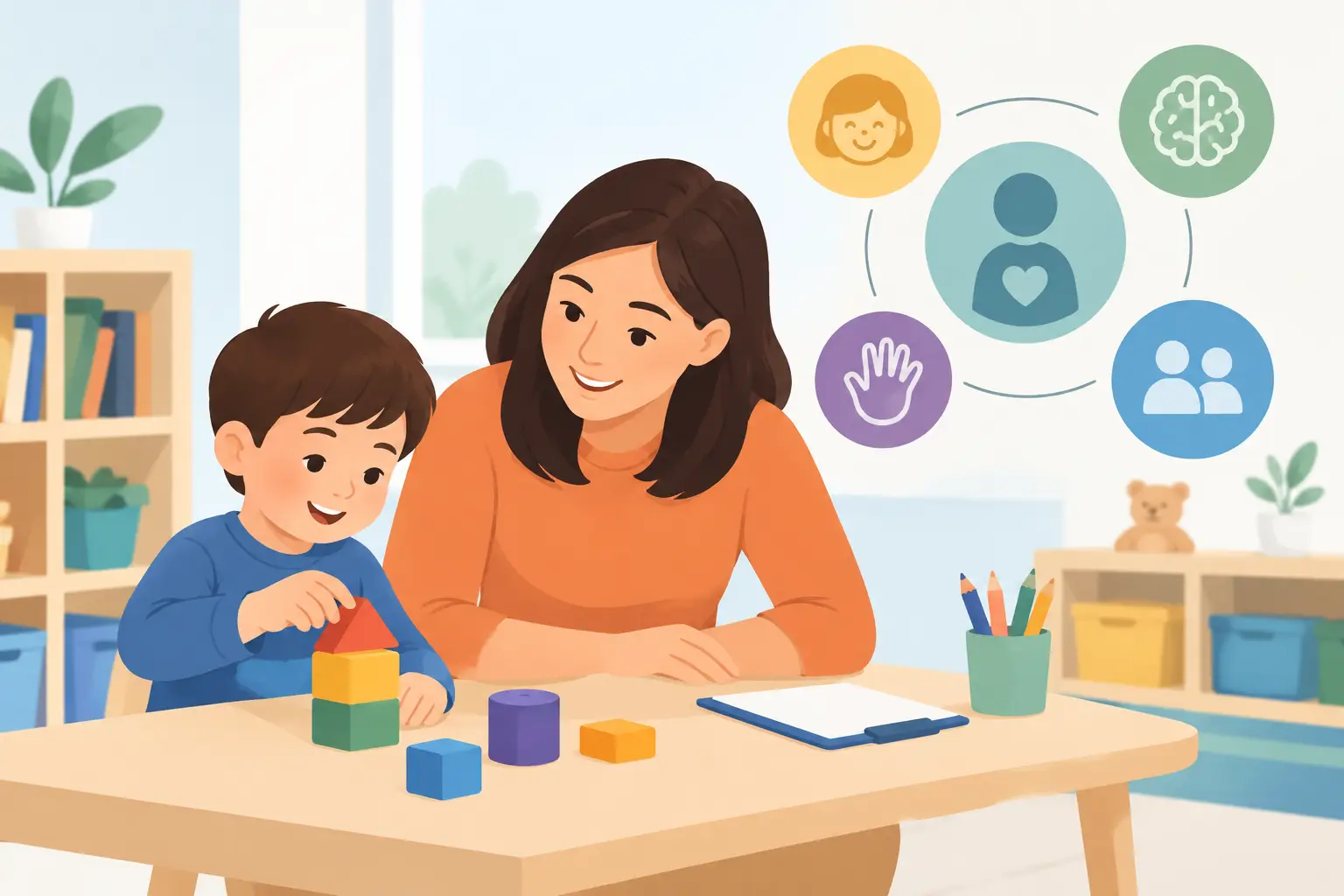
The three prime areas are communication and language, physical development, and personal, social and emotional development. These are called prime because they underpin everything else. Before a child can confidently take part in early literacy or number activities, they need to be able to listen, move, explore, manage feelings and form relationships.
The four specific areas are literacy, mathematics, understanding the world, and expressive arts and design. These grow out of the prime areas and become more visible as children get older.
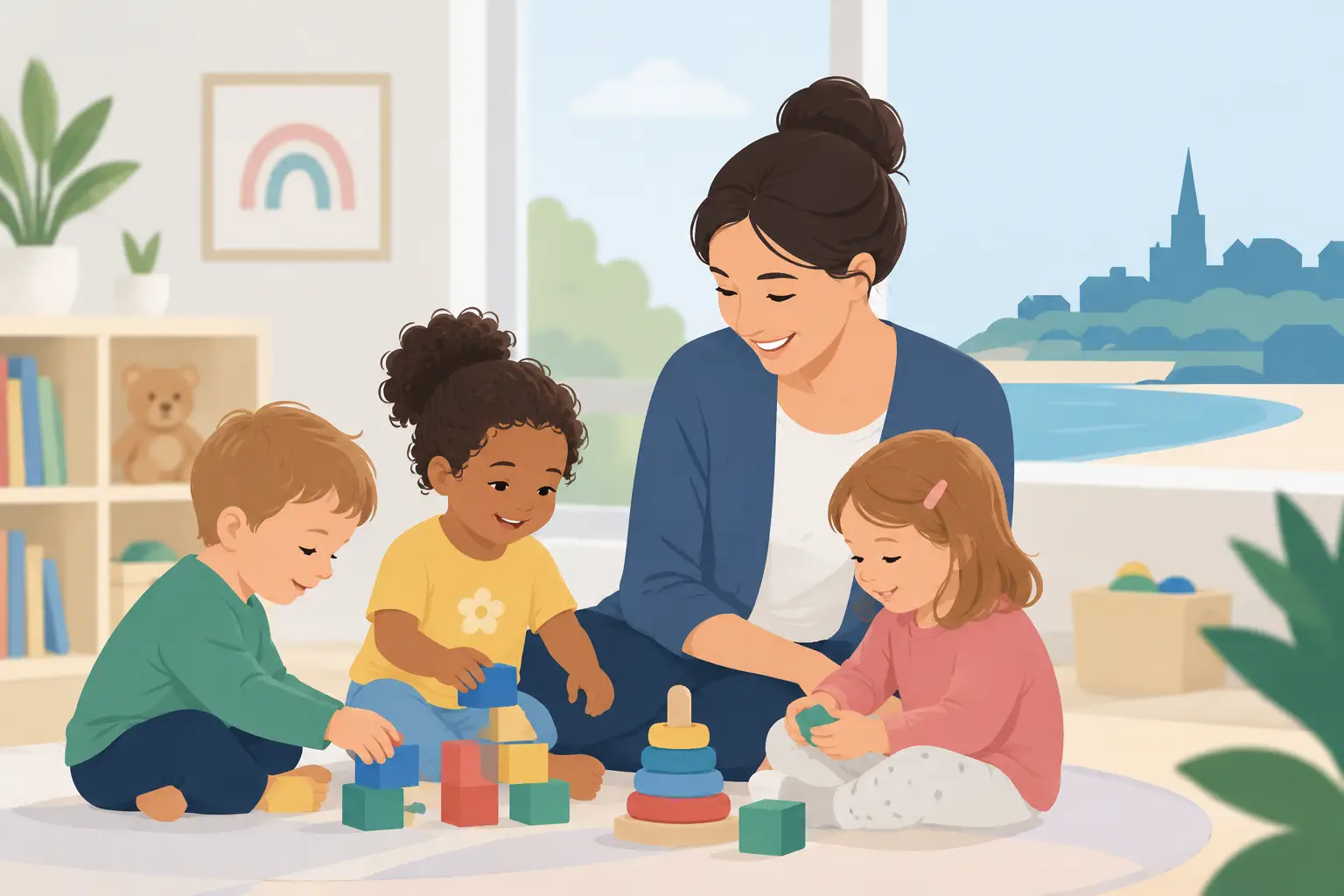
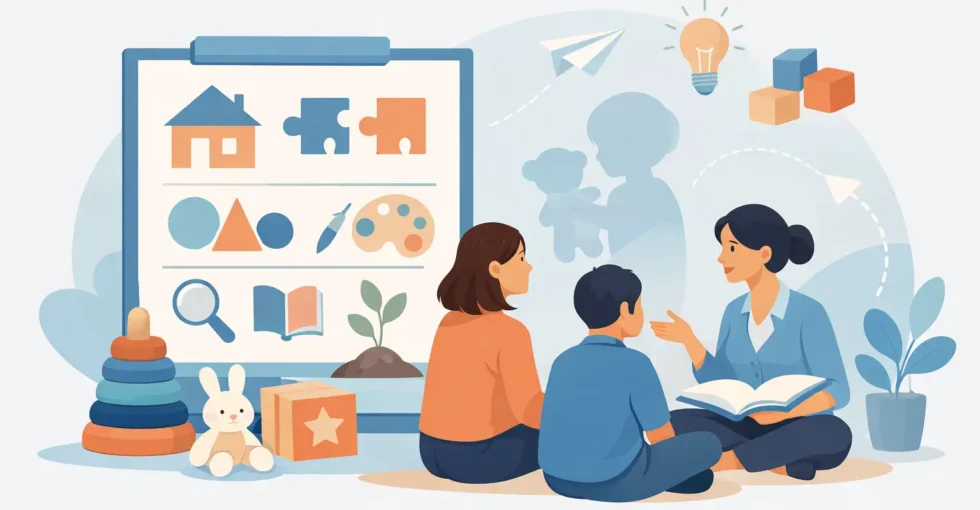
In everyday nursery life, that does not look like seven separate lessons. It might look like a child pouring water with a friend, which supports fine motor control, turn-taking, language and early mathematical thinking all at once. It might look like singing rhymes, planting seeds, dressing up, building towers, listening to stories or talking about what happened on the way to nursery.
Why play is taken so seriously
One of the biggest misunderstandings about early years education is the idea that play is somehow less valuable than formal teaching. In reality, play is the way most young children make sense of the world.
Through play, children test ideas, repeat actions, solve small problems and practise social skills. They learn cause and effect, develop vocabulary, strengthen muscles and begin to manage frustration. Good practitioners do not simply supervise this. They shape it carefully, adding language, questions, resources and reassurance at the right moment.
There is a balance to strike. Children need freedom to explore, but they also benefit from intentional teaching. A well-run setting will offer both. There will be times when children choose activities independently and times when adults guide learning more directly, especially around conversation, early literacy, number sense and routines.
The role of the key person
If you are trying to understand the EYFS, one of the most important parts is the key person approach. Each child should have a named adult who takes special responsibility for their care and development.
For parents, this often becomes the bridge between home and nursery. The key person gets to know your child’s personality, preferences, comforts and next steps. They notice if your child is suddenly fascinated by vehicles, hesitant in group activities or beginning to use new words. They also help children feel emotionally secure, which is not a bonus extra. It is central to learning.
This is one reason the best early years settings put so much emphasis on warmth, consistency and communication. Children thrive when they feel known.
What progress looks like in the early years
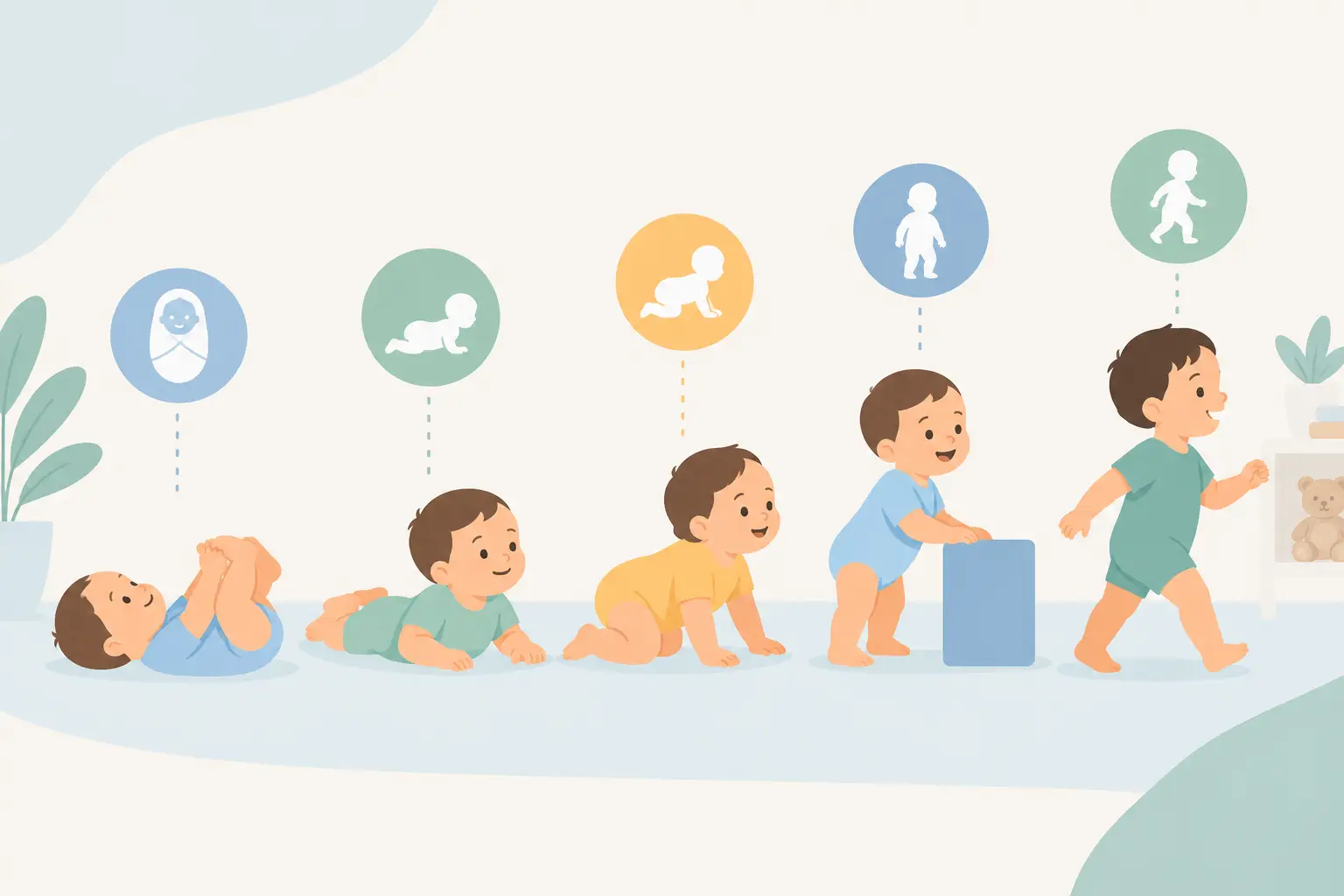
Parents sometimes worry that progress should look obvious and measurable every week. In the early years, it is often steadier and less dramatic than that. One month your child may seem focused on language, the next on climbing, friendships or imaginative play. That is normal.
Progress in the EYFS is about the whole child. It includes things like learning to separate confidently from a parent, joining in at tidy-up time, using a spoon independently, recognising their name, asking questions, taking turns or beginning to hear sounds in words. These milestones all matter because they build towards later learning.
Some children move quickly in one area and more slowly in another. That does not automatically mean there is a problem. Development is rarely perfectly even. What matters is that adults are noticing, responding and offering the right support.
How nurseries assess children without making it feel like school
Assessment in the EYFS is mainly based on observation. Staff watch children as they play, interact and explore, then use what they see to plan what comes next. There may be photos, notes or learning updates shared with parents, but the goal is not to test children. It is to understand them.
This is where parents sometimes feel unsure. If children are not sitting formal assessments, how can anyone know whether they are doing well? The answer is that experienced practitioners look for patterns over time. They notice whether a child is becoming more confident, more communicative, more coordinated, more independent and more engaged.
At the end of the Reception year, schools complete the EYFS Profile. Before that point, nursery assessment is usually more flexible and relational. It should help shape support, not create pressure.
What school readiness really means
School readiness is often misunderstood as being able to read, write neatly or count to 100 before starting school. Those skills can be helpful, but they are only part of the picture.
A school-ready child is more often one who can cope with routines, express basic needs, listen for short periods, manage simple personal care, share attention with others and recover from small setbacks. Confidence, resilience and communication matter just as much as early academic knowledge.
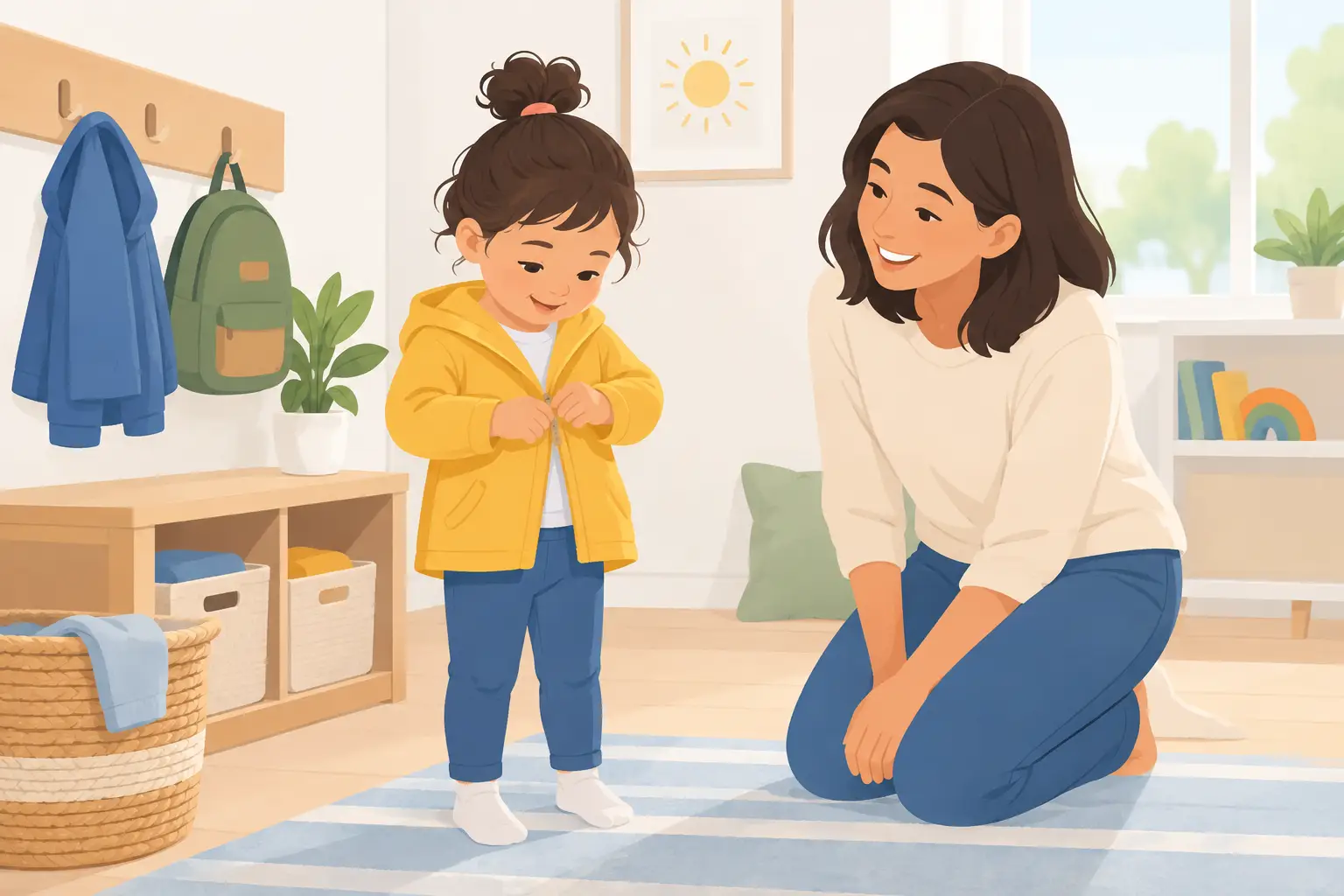
That is why high-quality early years provision focuses so much on independence and emotional security. Putting on a coat, washing hands, sitting with a group, following instructions and asking for help are all part of preparation for school.
EYFS curriculum explained for parents who want to support learning at home
You do not need to recreate nursery at home to support your child well. In fact, most children benefit more from simple, consistent experiences than from elaborate activities.
Talking during everyday routines is one of the strongest things you can do. Chat while walking to the shops, getting dressed or making tea. Read stories often, even if your child asks for the same one repeatedly. Sing songs, count stairs, name colours, notice patterns, and let your child help with small jobs. These ordinary moments build language, confidence and understanding.
It also helps when home and nursery share information honestly. If sleep has been poor, if toileting is changing, or if there is something exciting or unsettling happening at home, telling your child’s setting gives staff useful context. Good partnerships make children feel more secure because the adults around them are working together.
When to ask questions
If nursery updates feel vague, it is absolutely fine to ask for clearer examples. You might ask what your child enjoys most, how they are getting on socially, what they are working on next, or how you can support the same skills at home.
You do not need technical language to have a meaningful conversation. A good early years team should be able to explain development in a calm, practical way. Parents should leave feeling informed, not overwhelmed.
At Dinotots, that partnership with families is a big part of what helps children settle, grow and feel confident in their own pace.
The EYFS can sound formal on paper, but for children it should feel warm, engaging and full of possibility. When a setting gets it right, your child is not being pushed through a checklist. They are being carefully guided by adults who understand that happiness, security and learning belong together.