
Choosing a nursery often comes with one big question: what is EYFS in nursery, and what does it actually mean for your child day-to-day? You may see the term on nursery websites, prospectuses and inspection reports, but for most parents, the real concern is simpler. Will my child be happy, safe, cared for and learning in the right way?
The good news is that EYFS is designed around exactly those early priorities. It gives nurseries a clear framework for supporting children from birth to age five, so learning is not left to chance. That does not mean young children sit at tables doing formal lessons. In a good nursery, EYFS should feel warm, playful and age-appropriate, with skilled adults guiding development through everyday experiences.
What is EYFS in nursery settings?
EYFS stands for Early Years Foundation Stage. It is the statutory framework that sets the standards for learning, development and care for children from birth to the end of their Reception year.
In nursery settings, EYFS helps shape what children experience each day. It covers how staff support communication, physical development, confidence, relationships, early maths, early literacy, creativity and understanding of the world. It also includes welfare requirements, such as safeguarding, staff suitability, supervision, health, safety and child wellbeing.
For parents, that means EYFS is not just a teaching plan. It is a full approach to early years care and education. It supports the whole child, not only academic progress.
What EYFS looks like in real nursery life
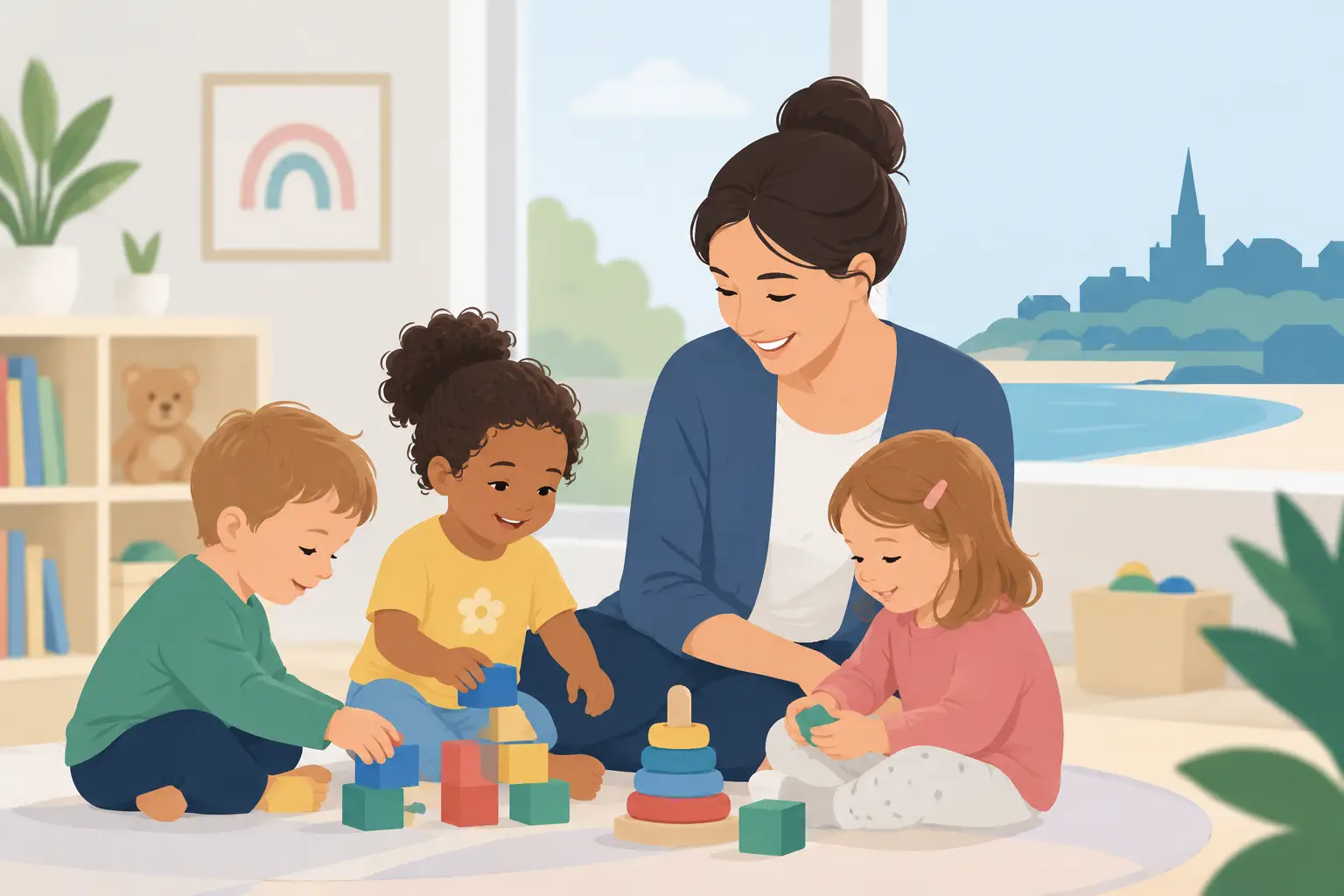
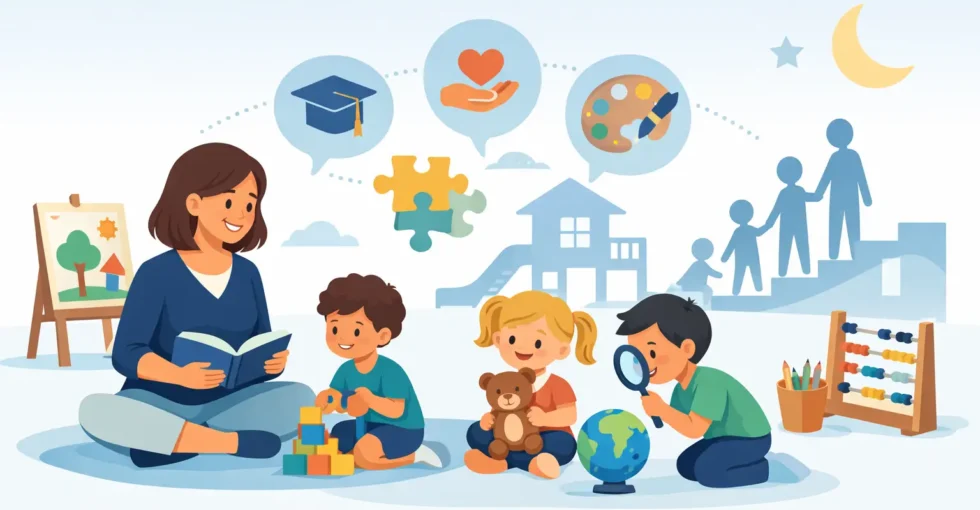
The phrase itself can sound technical, but the reality is much more familiar. EYFS often looks like a toddler building with blocks while learning about balance and shape, a baby joining in with songs and stories to support language, or a pre-school child pouring water, taking turns and developing fine motor skills.
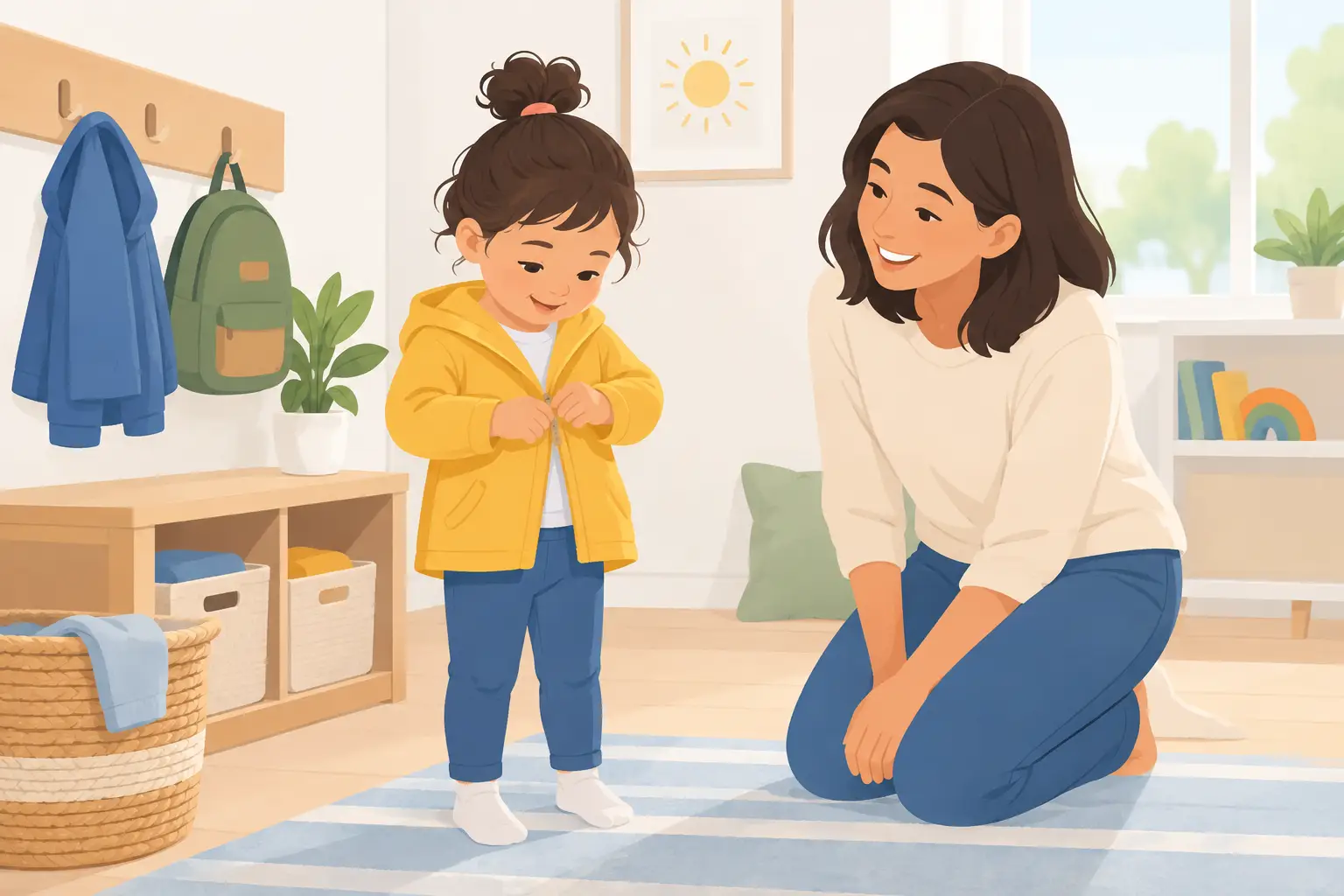
Much of early learning happens through play, routines and relationships. Snack time can help with independence and social skills. Outdoor play can build coordination, confidence and curiosity. Story time supports listening, memory and vocabulary. Even putting on coats and washing hands are part of learning.
This is one reason parents sometimes underestimate how much is happening in nursery. To a child, it feels natural and enjoyable. Behind the scenes, experienced practitioners are observing, encouraging and planning next steps with care.
The seven areas of learning and development
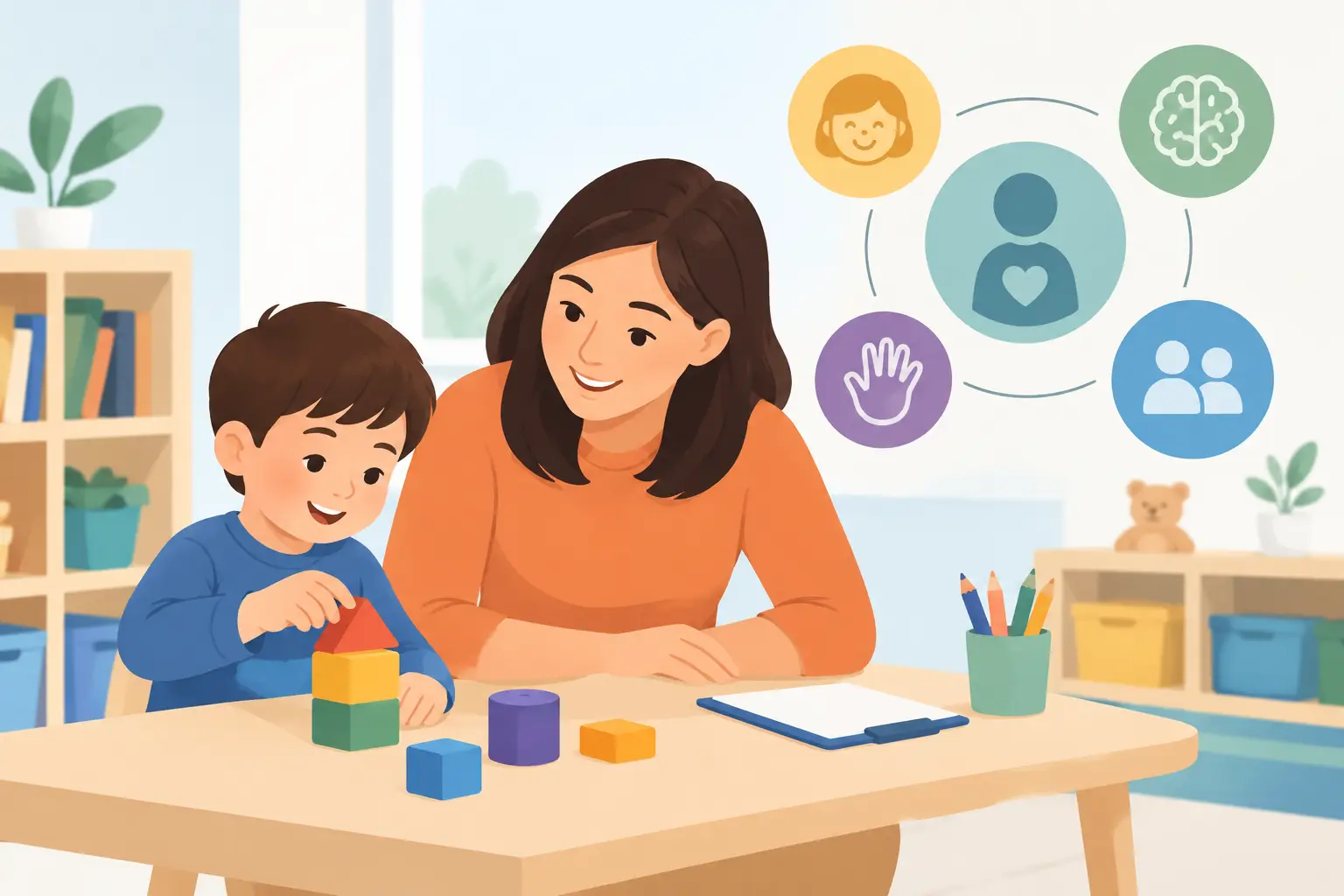
EYFS is built around seven areas of learning and development. Three are known as the prime areas, which are especially important in the earliest years. These are communication and language, physical development, and personal, social and emotional development.
These prime areas matter because they help children feel secure, connect with others and become ready to learn. A child who can express needs, move confidently and build trusting relationships is in a much stronger position to explore everything else.
The four specific areas are literacy, mathematics, understanding the world, and expressive arts and design. These grow alongside the prime areas rather than replacing them.
In practice, children do not learn these areas in neat boxes. A nursery activity like planting seeds might involve language, counting, turn-taking, sensory play and curiosity all at once. That joined-up approach is one of EYFS’s strengths.
Why play is taken so seriously
If you are new to nursery, it can be tempting to judge learning by what looks most formal. Parents sometimes wonder whether enough is being taught if children spend large parts of the day playing. Under EYFS, play is not a break from learning. It is one of the main ways young children learn best.
Through play, children test ideas, repeat skills, solve problems and make sense of the world. They also build resilience. A tower that falls down, a puzzle that needs another try, or a role-play disagreement all create opportunities to learn with support from caring adults.
That said, good nursery practice is not a free-for-all. The best settings strike a balance. Children need room to explore, but they also benefit from thoughtful planning, purposeful resources and adults who know when to step in, when to model language and when to give a child time to work something out independently.
How nursery staff use EYFS to support each child
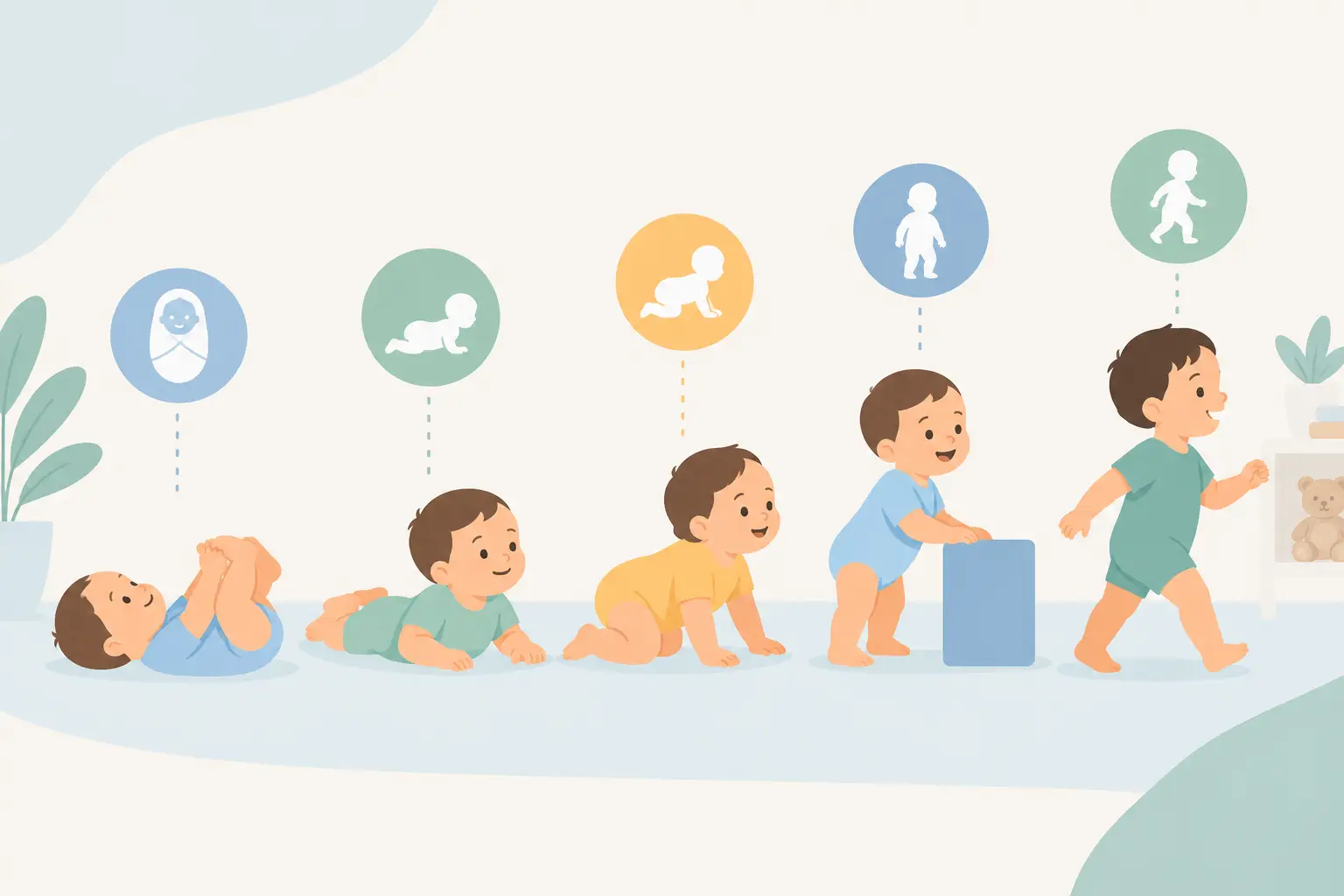
One of the most reassuring things about EYFS is that it recognises children develop at different rates. Nursery staff are not expecting every child to do the same thing at the same time.
Instead, practitioners observe children regularly to understand their interests, strengths and next steps. A child who loves vehicles might be encouraged to count wheels, describe movement, make road signs or tell stories about where the lorries are going. This helps learning feel engaging rather than forced.
Key carers or key persons play an important role here. They get to know your child well, build trust and create a strong link between home and nursery. That relationship matters, especially for younger children or those who need a little longer to settle. Emotional security is not separate from learning – it supports it.
What EYFS means for school readiness
Parents often hear the phrase school readiness and assume it means reading early or writing neatly. EYFS takes a broader and more helpful view.
A school-ready child is not expected to arrive knowing everything. More importantly, they are developing the confidence, independence and social skills that help them cope with a classroom environment. This includes listening, following simple routines, managing feelings, sharing attention, using language to communicate needs and showing curiosity.
Literacy and maths are part of the picture, of course, but they are not the whole picture. A child who can put on their coat, join in with group time, try new activities and recover from small upsets is often much better prepared than one who has been pushed too far academically too soon.
This is where a strong EYFS nursery experience can make a real difference. It lays foundations steadily, so children build genuine confidence rather than surface-level performance.
How progress is shared with parents
A good nursery should make EYFS feel clear and relevant, not full of jargon. Parents do not need a lesson in policy language. They need honest, regular communication about how their child is getting on.
That might include updates on friendships, language development, favourite activities, new interests or areas where extra encouragement is helping. Some nurseries use learning journals, parent meetings or daily feedback to share this. What matters most is that the information feels meaningful and connected to your child as a person.
If a setting talks about EYFS but cannot explain your child’s development in a warm, understandable way, that can be a warning sign. The framework should support partnership with families, not create distance.
What to look for in an EYFS nursery
Not every nursery will bring EYFS to life in the same way, and that is where quality matters. The framework sets expectations, but the experience your child has depends on how well those expectations are delivered.
Look for a nursery where children seem settled and engaged, staff interact warmly, routines feel calm and purposeful, and the environment invites exploration. You should also expect clear safeguarding procedures, thoughtful planning and adults who can explain how they support development without sounding scripted.
It is also worth noticing whether the nursery sees care and education as connected. For young children, they should be. Nappy changing, meals, cuddles, conversation, play and learning are all part of one whole experience. At Dinotots, that joined-up view is central to creating a secure and happy start for every child.
Common worries parents have about EYFS
Some parents worry EYFS may be too structured. Others worry it may not be structured enough. The truth is, it depends on the nursery and how thoughtfully the framework is used.
Done well, EYFS provides consistency without making childhood feel rushed. It gives children a strong rhythm to the day, rich opportunities to learn and the reassurance of familiar adults. At the same time, it leaves room for personality, playfulness and individual pace.
Another common concern is whether children who are quieter, more active or slightly behind in one area will be labelled too quickly. Strong early years practice should do the opposite. It should notice the whole child, spot where support may help, and celebrate progress in a way that builds confidence.
If you are visiting nurseries, trust both your questions and your instincts. Ask how staff support communication, independence and emotional wellbeing. Ask how they help children prepare for school. Ask how they work with parents. The answers should feel both professional and reassuring.
EYFS matters because these early years matter. When a nursery uses it well, children are not simply being looked after while parents work. They are building language, confidence, friendships, habits and foundations that can shape the years ahead. And for most families, that peace of mind is every bit as important as the practical childcare itself.