
The school run can feel a long way off when your child still needs help finding the right shoe. Then suddenly, Reception is on the horizon, and the big question arrives: are they ready? The good news is that school readiness activities for preschoolers do not need to look like formal lessons. In fact, the most useful ones often happen during play, mealtimes, getting dressed, tidying up and chatting about the day.
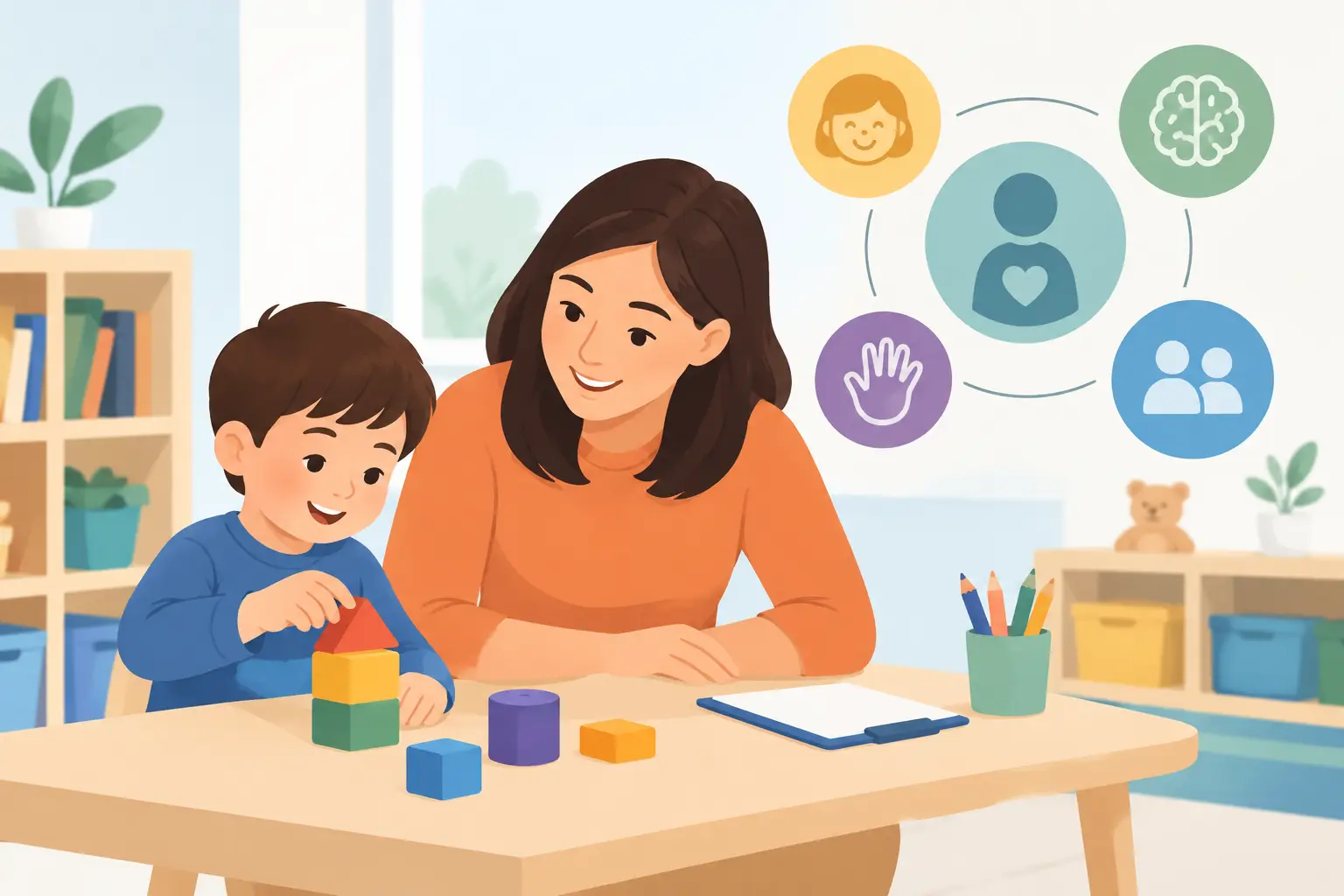
For most families, school readiness is not about getting ahead academically. It is about helping a child feel secure, curious and confident enough to join in, cope with simple routines and begin building relationships away from home. That means the best preparation supports the whole child – emotional wellbeing, communication, independence, listening, movement and early literacy and maths.
What school readiness really means
Parents often worry about whether their child can write their name, count to 20 or recognise every letter before starting school. Those early skills can help, but they are only one part of the picture. Teachers also look for children who can manage small tasks, follow simple instructions, sit for a short group activity, ask for help and begin to take turns.
This is why school readiness can look different from one child to another. A chatty child may still find it hard to separate from a parent. A child who knows lots of letters may struggle to put on their coat. Another may be physically confident outdoors but need support sharing space with others. Readiness is not a race, and it is rarely about one perfect checklist.
10 school readiness activities for preschoolers
1. Turn everyday jobs into independence practice
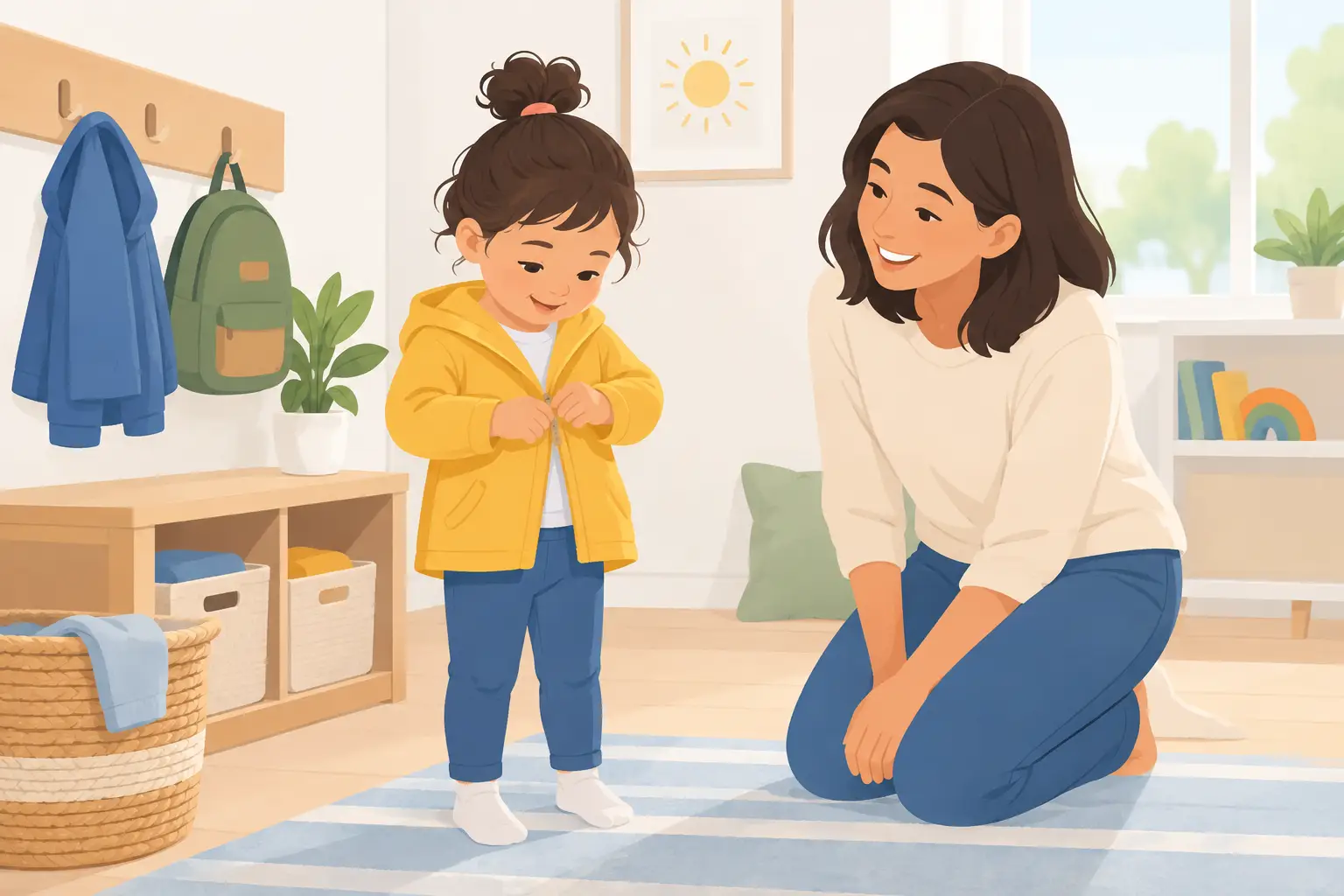
One of the most valuable things a preschooler can learn is how to do simple tasks for themselves. Let your child have a go at putting on shoes, washing hands, carrying their plate to the counter, hanging up a coat or opening their lunchbox.
This can feel slower at first, especially on busy mornings, but the payoff is real. Children who have practised these tasks tend to feel more capable when they start school. They are less dependent on constant one-to-one help and more willing to try.
2. Play listening games
Listening is a big part of early school life. Children are asked to hear their name, follow instructions and join group times. A simple game such as “Simon Says”, “Ready, steady, go”, or “Can you touch your head and then clap twice?” helps build this skill without pressure.
Keep it light and playful. Two-step instructions are often enough for younger preschoolers. If your child finds this tricky, slow down and give one instruction at a time. Progress matters more than perfection.
3. Read together every day
Shared reading supports language, attention, memory and early literacy all at once. It also creates a calm, close moment in the day, which is just as important. Talk about the pictures, predict what might happen next, and ask simple questions such as “How do you think she feels?” or “What can you see on this page?”
There is no need to turn every story into a lesson. Children benefit most when books feel enjoyable and familiar. Re-reading favourite stories is useful too, because repetition helps them notice patterns in language.
4. Build hand strength through play
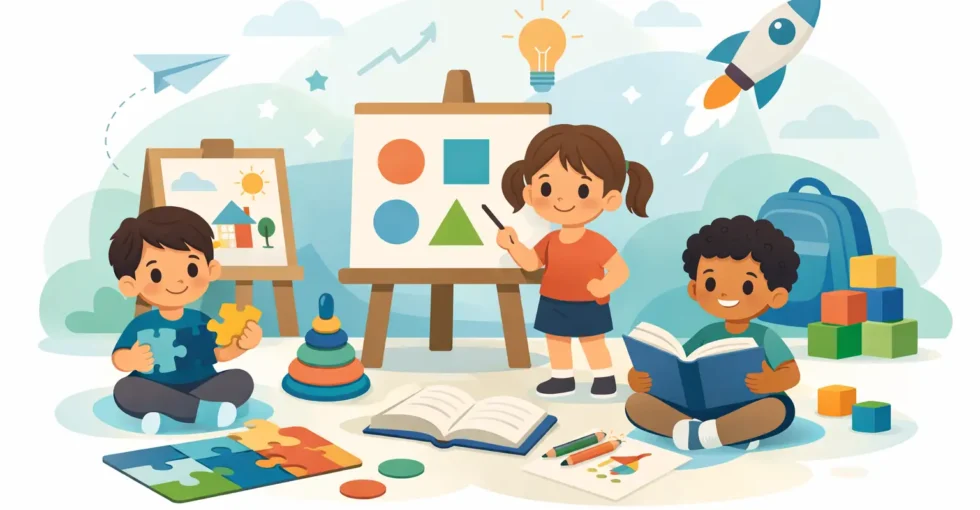
Before a child can write comfortably, they need strength and control in their hands and fingers. That is why mark-making and fine motor play matter so much. Try playdough, threading large beads, using child-safe tweezers, sticking, painting, chalking outside or picking up small objects with fingers.
If your child is not interested in pencils yet, that is not a problem. Writing starts long before pencil grip. Squeezing, rolling, pinching and building all prepare little hands for the next step.
5. Practise turn-taking and sharing
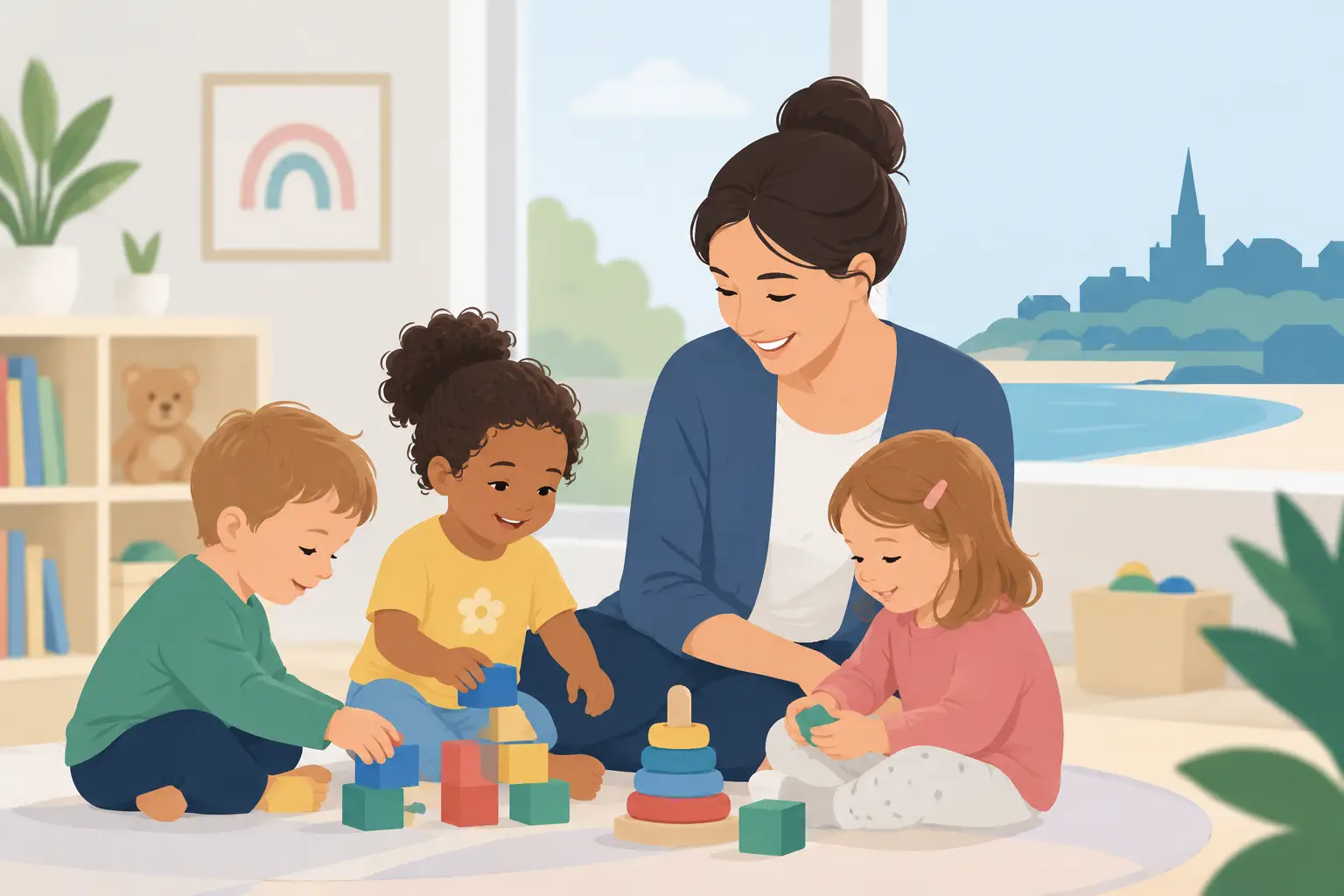
Starting school means being part of a group, and that can be a big adjustment. Board games, simple card games, rolling a ball back and forth or taking turns with a toy all help children learn patience and social awareness.
This is not always easy at preschool age. Some children need plenty of support with waiting, losing or sharing. That is completely normal. What helps is naming the feeling, keeping expectations realistic and giving lots of chances to practise in short bursts.
6. Introduce simple routines and visual cues
Children feel safer when they know what is coming next. Morning routines, bedtime routines and tidy-up routines all build the sense that the day has a shape. You can make this even clearer with picture cues – for example, get dressed, eat breakfast, brush teeth, put on shoes.
This supports school readiness because classrooms run on routine. Children who are used to transitions often cope better with moving from playtime to snack, or from outdoor play to story time.
7. Count in real life
Early maths is not about worksheets. It grows through daily experiences. Count stairs as you climb them, plates as you set the table, apples in the fruit bowl or cars parked outside. Talk about big and small, full and empty, more and less.
These everyday moments help children make sense of number in a practical way. If your child enjoys it, you can also spot shapes on walks or sort toys by colour and size. The aim is to make maths feel normal, not intimidating.
8. Encourage conversation, not just answers
Children need language to make friends, express needs and join learning. One of the best school readiness activities for preschoolers is simply having proper conversations with them. Ask open questions, give them time to answer and respond with interest.
Instead of “Did you have fun?”, try “What made you laugh today?” Instead of correcting every word, focus on keeping the conversation going. Children build confidence when they feel listened to.
9. Support emotional regulation through naming feelings
School brings new people, sounds, routines and expectations. Even confident children can feel overwhelmed. Helping your child recognise and name feelings gives them a better chance of coping when things feel unfamiliar.
You might say, “You look frustrated because the tower fell down,” or “You seem worried about trying something new.” This does not remove the feeling, but it helps children understand it. Over time, they begin to learn that feelings can be managed rather than feared.
10. Make space for active play
Children are not ready for learning only when they can sit still. They also need balance, coordination, body awareness and a chance to release energy. Climbing, jumping, running, dancing and obstacle courses all support physical development that feeds into confidence and concentration.
Active play is especially helpful for children who learn best by moving. Some will settle beautifully into a story after a chance to burn off energy outdoors. It depends on the child, which is why a balanced day matters.
What if your child is strong in one area but needs help in another?
That is very common. School readiness is uneven for many preschoolers. A child may be sociable but not yet independent at toileting. Another may love books but find transitions hard. The answer is not to push everything at once. It is usually better to pick one or two areas where support will make the biggest difference and build from there.
For example, if mornings are stressful, focus on dressing and following a simple routine. If your child finds group situations difficult, practise turn-taking and short listening games. Small, repeated experiences are often more effective than trying to recreate a classroom at home.
How to keep school readiness activities calm, not pressured
Children notice adult anxiety very quickly. If school preparation starts to feel like a test, they can become resistant or worried. Keep activities short, playful and part of normal family life. Praise effort, not only outcomes. “You kept trying with that zip” is often more helpful than “Well done, you got it right.”
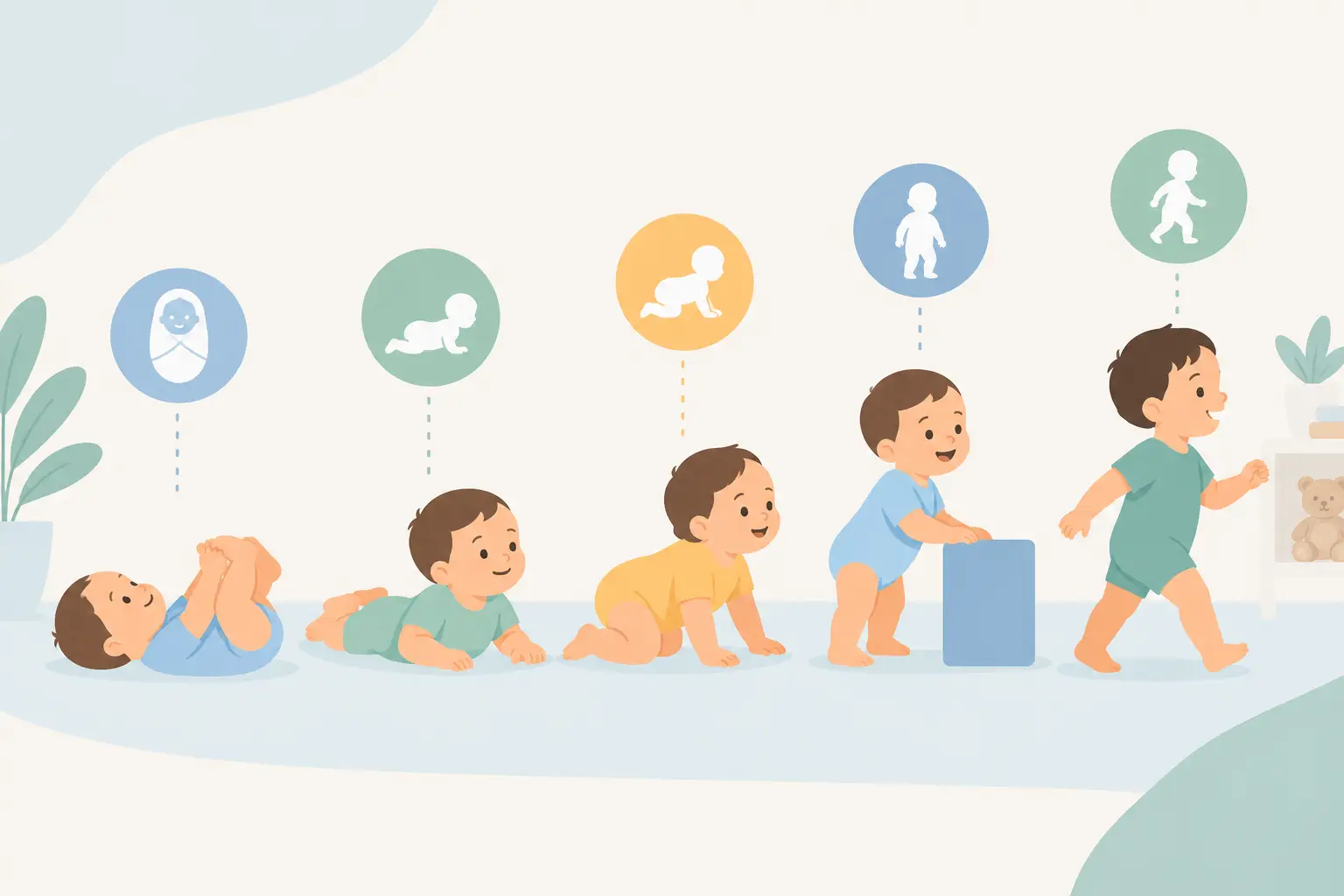
It also helps to remember that development is not perfectly linear. Your child may manage something confidently one day and refuse the next. Tiredness, hunger, changes at home or a leap in another area can all affect how they cope. That does not mean progress has stopped.
At Dinotots, we see time and again that children thrive when they feel emotionally secure, gently encouraged and given chances to practise real-life skills in a nurturing environment. That same approach works beautifully at home.
When to seek a bit more support
If you are worried that your child is finding communication, behaviour, toileting, attention or separation much harder than expected, it can help to talk with your nursery, health visitor or GP. Early support is not about labelling children. It is about understanding what they need so they can start school with confidence.
Many children simply need more time, more repetition or a different approach. Others benefit from targeted strategies. Either way, asking questions early can bring reassurance and practical ideas.
There is no single perfect picture of a school-ready child. There is your child, with their own personality, strengths and pace of development. If they are learning to listen, communicate, try, recover, manage a few simple tasks and feel safe with caring adults around them, they are building the foundations that matter most.