
When you visit a nursery, safeguarding is often felt before it is explained. It shows up in the warm handover at the door, the way staff know who is collecting your child, and the calm confidence of a team that takes children’s welfare seriously. The EYFS safeguarding requirements for nurseries sit behind those everyday moments, shaping how settings keep children safe, supported and ready to learn.
For parents, this can feel like a lot of official language wrapped around one simple question – will my child be safe here? The answer should never rely on good intentions alone. In a well-run nursery, safeguarding is built into recruitment, training, supervision, record-keeping, daily routines and the culture of the setting. It is about protection from harm, but it is also about creating the kind of environment where children feel secure, listened to and cared for.
What the EYFS safeguarding requirements for nurseries cover
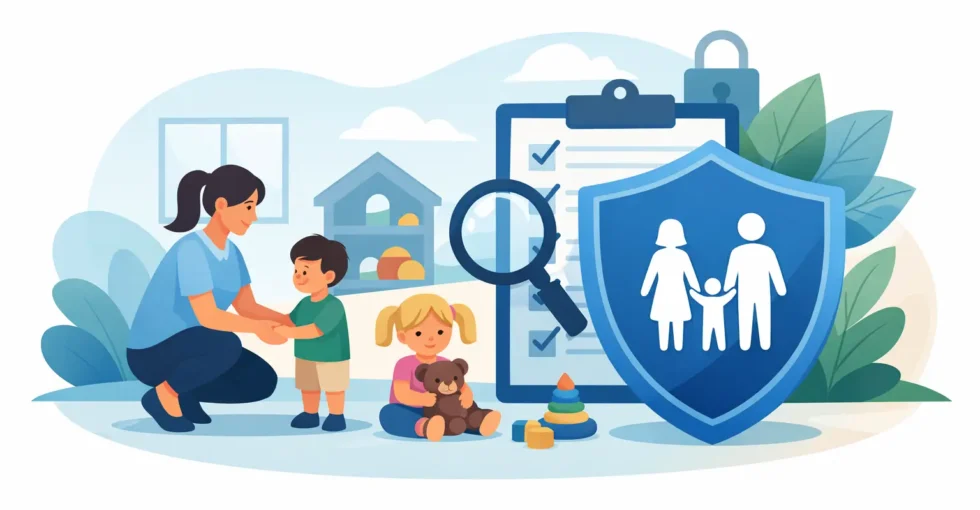
The Early Years Foundation Stage sets the standards that registered early years providers in England must follow. Safeguarding within the EYFS is not a single policy on a shelf. It is a set of legal and practical expectations covering child protection, health and safety, safer recruitment, staff suitability, supervision, information sharing and the way concerns are reported.
That matters because children in the early years are especially dependent on adults. They may not have the words to explain when something is wrong, and they rely on nursery teams to notice changes, act quickly and work with families and other professionals when concerns arise. Good safeguarding is not there to alarm parents. It is there to give reassurance that nothing important is left to chance.
A nursery should be able to explain its safeguarding approach clearly and without jargon. If a setting struggles to do that, or seems vague about who is responsible for child protection, that is worth paying attention to.
Safer recruitment matters before a child even starts
One of the strongest parts of safeguarding happens long before children walk through the door. Nurseries are expected to make sure the adults caring for children are suitable for the role. That includes identity checks, references, qualification checks where needed, and Disclosure and Barring Service checks. Staff should also be assessed as suitable on an ongoing basis, not just at the point of hiring.
Parents do not always see this work, but it is one of the clearest signs of a professional nursery. A caring personality is important, of course, but safeguarding requires more than warmth. It requires proper vetting, clear induction, and managers who understand that safer recruitment protects children as much as any locked gate or sign-in sheet.
There is a practical balance here. Nurseries need stable, consistent teams, and the childcare sector can face recruitment pressures. But pressure should never lower standards. A dependable setting plans carefully so that staffing needs do not lead to shortcuts.
Training is not optional, and neither is vigilance
Every nursery should have a designated safeguarding lead who takes responsibility for coordinating child protection concerns. Staff also need regular safeguarding training so they know what to look for, what to record and who to tell. This includes understanding wider issues such as neglect, domestic abuse, online safety, peer-on-peer behaviour, and the signs that a family may need extra support.
Training only works when it changes practice. In the best settings, staff are alert without being anxious. They notice bruises that do not match the explanation given. They recognise when a child’s behaviour changes sharply. They understand that poor attendance, hunger, tiredness or withdrawn behaviour can sometimes point to bigger concerns.
This is one of the reasons strong parent communication matters so much. Families should feel respected and included, but nursery teams also need the confidence to ask careful questions and follow procedures when something does not feel right. Safeguarding is not about making assumptions. It is about noticing, recording and responding appropriately.
Policies should be clear, lived and regularly reviewed
A nursery should have written safeguarding and child protection policies, but paperwork on its own is not enough. The policy needs to reflect what actually happens in practice. Staff should know it well. Parents should be able to access key information easily. Everyone should understand how concerns are escalated, how allegations are handled, and what the nursery will do if a child may be at risk.
Other policies feed into safeguarding too. Behaviour management, mobile phone use, intimate care, medication, accidents, complaints, online safety and whistleblowing all play a part. When these policies are aligned, they create a safer setting for children and a clearer framework for staff.
For parents, a useful question is not just whether a policy exists, but whether the nursery can explain it in a calm, practical way. Good settings do not hide behind procedure. They use procedure to create consistency and trust.
Daily practice is where safeguarding becomes real
The EYFS safeguarding requirements for nurseries are often easiest to understand when you look at daily routines. Arrival and collection procedures are a simple example. Staff should know exactly who is authorised to collect a child and what happens if plans change. Visitors should be managed carefully. Rooms and outdoor areas should be checked for hazards. Sleep routines for babies must follow safe practice. Food, allergies and medication should be handled with care and precision.
Supervision is another key part of this. Children need to be appropriately supervised at all times, and staffing ratios must be met. Ratios are a baseline, not a guarantee of quality on their own. A nursery can meet ratios and still feel disorganised if staff are not deployed well. Equally, a well-led team uses those ratios to create calm, responsive care where children are seen and supported properly.
Intimate care is also part of safeguarding. Nappy changing, toileting support and helping children with accidents must all be handled respectfully, hygienically and in line with the setting’s procedures. Children need dignity as well as safety, and the two should never be separated.
A safe nursery also supports emotional security
Safeguarding is often associated with preventing harm, but emotional safety matters just as much in the early years. Children thrive when they know who their trusted adults are, when routines are predictable, and when they feel heard. A key person system supports this by giving each child a familiar adult who understands their needs, routines and development.
This can be especially important for babies, children with additional needs, or those going through changes at home. A settled child is not just happier. They are also more likely to communicate, engage in learning and show adults when something feels wrong. Emotional security is not separate from safeguarding. It strengthens it.
That is why strong nurseries create a sense of belonging as well as safety. The environment should feel welcoming, but boundaries should still be clear. Children need kindness, and they also need adults who are consistent.
What parents can look for when choosing a nursery
You do not need to be a safeguarding expert to spot the signs of a well-run setting. Notice whether staff greet children warmly while still managing arrivals carefully. Ask who the designated safeguarding lead is and how concerns are recorded. Pay attention to whether doors are secure, whether visitors are supervised and whether staff seem calm and attentive.
It is also worth listening to how a nursery talks about partnership with parents. The right setting will value family relationships, but it will not blur professional boundaries. It should be open, transparent and ready to explain how it keeps children safe every day.
If you are comparing nurseries, trust both the detail and the feeling. A polished tour means little if answers are vague. Equally, a busy nursery can still be an excellent one if the team is organised, consistent and genuinely child-centred. Safety is not about appearances. It is about standards being followed properly, even on the most hectic day.
For many families, peace of mind comes from seeing that care and compliance work together. That is very much the aim in settings shaped around children’s happiness and security, including at Dinotots, where safeguarding sits alongside nurturing relationships and clear communication with families.
Why safeguarding should feel visible, not hidden
Parents should never be made to feel awkward for asking about safeguarding. It is one of the most sensible questions you can raise. A nursery that welcomes those conversations is usually a nursery that takes its responsibilities seriously.
The best settings make safeguarding visible in a reassuring way. Not through fear, but through confident routines, trained staff, respectful communication and consistent care. When those pieces are in place, children gain something every parent wants for them – the freedom to play, learn and grow in a place that feels safe from the moment they arrive.